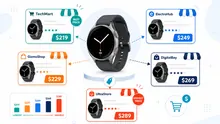
A product says “30% off.”
The old price is crossed out. The timer is running. The checkout button is waiting.
That does not mean it is cheap.
A product is actually cheap when its current price is meaningfully lower than what it usually sells for - not just lower than a number chosen for the promotion. Here is how to tell the difference.
Ignore the discount badge for a moment
“Was $499, now $349” sounds great. But ask one simple question:
Has this product really been selling for $499 recently?
The crossed-out price may be the official list price. It may be an old launch price. It may be a price the product rarely had in the first place.
The percentage is marketing. The actual price history is evidence.
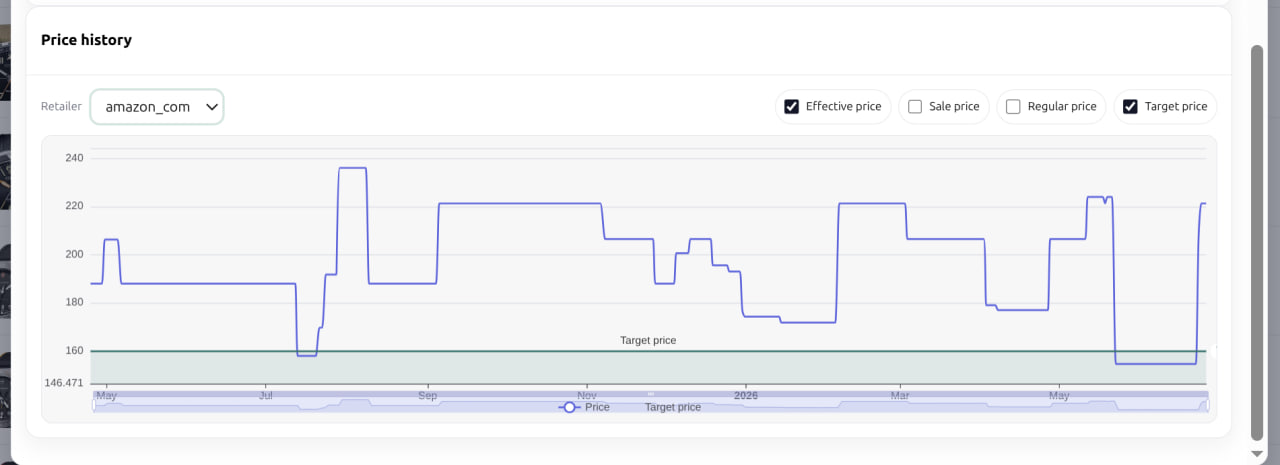
Look at the product’s own price history
Do not compare a product only with its original price. Compare it with itself. Check:
- What was the lowest price in the last few months?
- How often does it reach today’s price?
- Was it cheaper last week?
- Does the price drop during regular sales?
- Has it stayed at this level long enough to be normal?
A product that costs $299 today may be a great deal if it usually sells for $399. The same $299 is not special if it reaches that price every other weekend.
Watch for prices that keep coming back
Some stores use urgency well.
“Ends tonight.”
“Only a few left.”
“Limited-time offer.”
Sometimes that is true. Sometimes the same deal returns next week. If the price has dropped to the same level several times before, you do not need to panic-buy it today. A real low price is usually one of these:
- close to the product’s historical low;
- lower than its usual sale price;
- rare for that product;
- paired with a good retailer, warranty, and final checkout total.
Use a target price before you feel pressured
The best time to decide what you are willing to pay is before a discount banner appears. Choose a number that feels fair for the product. Then track it.
With IgoByte, you can add the product link, follow its price history, and set an alert for the number you actually want to pay. That changes the question from:
“Is this sale good enough?”
to:
“Has it reached my price?”
The lowest price is not always the best deal. But the right price is much easier to spot when you can see the full story.