It’s déjà vu in the world of streaming television. YouTube TV and Disney are once again squaring off in a high-stakes contract dispute that could pull some of the most watched channels in America from the platform. ESPN, ABC, FX, and Disney Channel – all household names – may soon vanish from YouTube TV’s lineup if the two media giants fail to renew their deal before October 30. 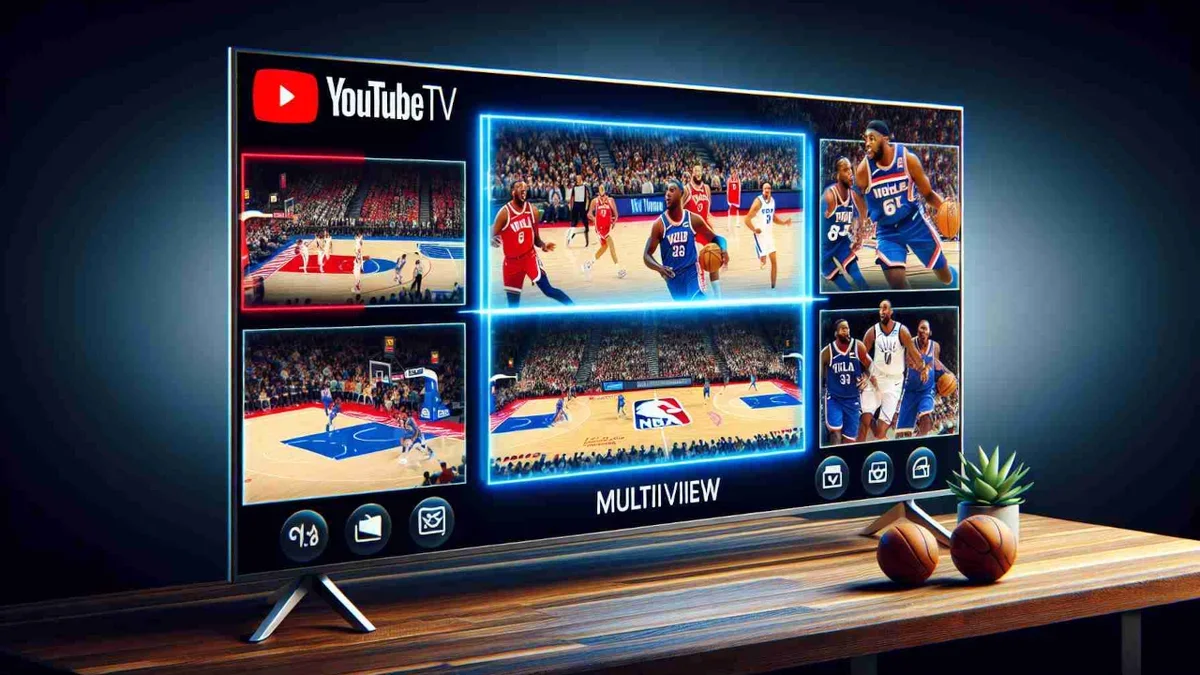
For millions of subscribers, the stakes couldn’t be higher: this fight hits right in the middle of football season, just as the NBA and NHL campaigns are ramping up.
Disney has already begun airing warnings across its networks, alerting viewers about the looming blackout. In a statement to CNBC, the company accused Google, which owns YouTube TV, of exploiting its leverage at the expense of paying customers. Disney insists that it’s only asking for fair market rates for its content – programming that includes live sports rights, hit shows, and family-friendly entertainment that viewers expect as part of their subscription. The message is clear: without a deal, Disney says Google will be depriving fans of marquee content like Monday Night Football and major college matchups.
Google’s response paints a different picture. The company claims Disney’s proposal includes steep financial demands that would inevitably trigger yet another price hike for subscribers. YouTube TV argues that Disney’s strategy isn’t just about fair payment – it’s about tilting the playing field in favor of its own competing product, Hulu + Live TV. In its official statement, the YouTube team wrote: “We’ve been negotiating in good faith to reach a fair agreement. Unfortunately, Disney is proposing costly terms that would raise prices and limit consumer choice while benefiting their own streaming products.” To soften the blow if the channels do go dark, Google promises a $20 credit to affected subscribers.
On the surface, this may seem like another carriage dispute, the kind that has become increasingly common as traditional broadcasters and streaming platforms renegotiate the economics of live TV. But this fight cuts deeper. Unlike past battles with networks like NBC or Fox, Google’s negotiations with Disney are uniquely complex because Disney isn’t just a content supplier – it’s also a direct competitor. Hulu + Live TV is fighting for the same audience as YouTube TV, and Disney’s parent company has little incentive to make things easy for its rival. Google, meanwhile, faces the dilemma of either paying the premium Disney demands – essentially financing its competition – or holding the line and risking a subscriber exodus to that very competitor.
This clash exposes the messy evolution of modern streaming. What began as a cheaper, more flexible alternative to cable has morphed into something eerily familiar: bundles, rising prices, and bitter disputes over distribution rights. The promise of simplicity has been replaced with the same kind of corporate tug-of-war that once defined the cable era. For viewers, it’s an exhausting cycle of warnings, negotiations, and service interruptions that make streaming feel less like a revolution and more like a reboot of the old frustrations.
Sports fans are particularly vulnerable in this standoff. Losing ESPN – along with ABC’s sports coverage – during football, basketball, and hockey seasons would be a serious blow. These are not fringe channels; they are the backbone of live sports broadcasting in the U.S. For many, YouTube TV’s appeal hinges on ESPN access. Without it, alternatives like Hulu + Live TV or Fubo could suddenly look a lot more attractive. And while a $20 credit might soften the sting temporarily, it does little to replace the loss of live games that drive subscriptions in the first place.
In truth, both companies have a point. Disney invests billions in sports and entertainment rights and wants fair compensation. Google wants to protect consumers from relentless price hikes and maintain a competitive balance in a market already stretched thin. The real losers, however, are subscribers caught in the middle. These disputes keep repeating – with NBC, Fox, and now Disney – and every time, viewers are forced to watch the same drama unfold. It’s hard not to feel like the audience is just another bargaining chip in this billion-dollar game.
As the deadline looms, few expect the channels to actually go dark for long. History suggests an eleventh-hour agreement is likely, as neither side wants the PR nightmare of a blackout. Still, the very existence of this standoff underscores a troubling trend: the streaming landscape is becoming more fragmented, expensive, and contentious than ever. What once promised freedom from cable chaos now feels like a rerun – just with a new cast and a streaming logo.
Tomorrow it could be Fox, Paramount, or Warner Bros. Discovery in the crosshairs. The names change, but the storyline stays the same: billion-dollar corporations locked in combat while subscribers foot the bill. Welcome to the future of streaming – same drama, different platform.
3 comments
feels like cable all over again but with fancy apps now
they should just merge already, tired of this nonsense
20 bucks credit? that’s like one dinner, not worth losing games over