Smartphone prices have been climbing for years, but Xiaomi has just given everyone a fresh reason to worry about the next upgrade cycle. While presenting the company’s latest quarterly results, Xiaomi president Lu Weibing openly warned that the cost of building phones is rising fast, largely because memory chips are being swallowed by the current AI boom. 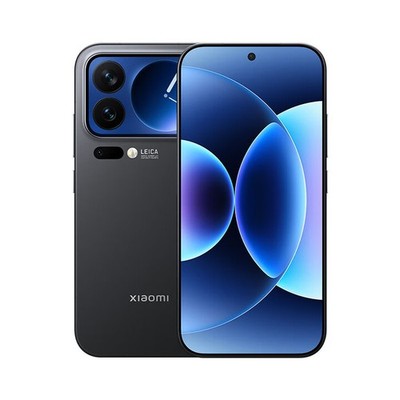
The result, he says, is simple and uncomfortable for buyers: next year’s smartphones are likely to be even more expensive than this year’s, and the pressure may not ease in 2026 either.
The main culprit sits far from your pocket: data centers. The same DRAM and NAND flash technologies that power your phone’s RAM and storage are now in huge demand for AI servers that train and run large models. For memory makers such as Samsung and others, the real money is in those racks of GPUs rather than in mainstream handsets. Production lines are increasingly tuned toward high-margin server parts, leaving fewer wafers and less capacity for smartphone-grade memory. Less supply plus stronger demand is a classic recipe for higher component prices.
When the cost of memory spikes, smartphones feel it immediately. RAM and storage are among the most expensive items in a bill of materials, and they are also the easiest line for brands to mark up. We are already seeing big gaps between storage tiers in some models sold in China and elsewhere: one phone might charge around 300 RMB more to jump from 12 GB + 256 GB to 12 GB + 512 GB, while another model from a competing brand asks 600 RMB for the same upgrade. That is effectively double the surcharge for the same memory increase, a sign that some manufacturers are not just passing on higher costs, but adding extra fat to their margins.
Against this backdrop, Xiaomi’s own premium devices, such as the Xiaomi 17 Pro Max, sit right in the crosshairs. Lu Weibing has admitted that price hikes alone will not fully absorb the cost pressure, yet he also hints that many products will inevitably become pricier at retail. For consumers who already feel that a so called affordable Android phone creeping toward the 1000 dollar mark is insane, the idea of yet another round of increases feels like a bad joke.
Unsurprisingly, frustration is boiling over. Many users say they simply will not buy the next flagship if this trend continues, choosing instead to keep phones longer, hunt for discounts, or move down to mid range devices. Others point out the growing sense of planned obsolescence in the tech world: phones that feel less durable, sealed designs that make repairs harder, and batteries that are painful to replace all nudge you toward upgrading sooner than you actually want to. If prices jump while durability or software support stagnate, people will feel that they are paying more for less.
Another red flag for buyers is the quiet downgrading of specifications. Some skeptics say they could accept a modest price bump, but only if there is no downgrade on spec: no cutting on camera quality, no cheaper screens, no slower charging, no trimming of storage on the base model just to upsell the larger tier. Yet recent history shows the opposite has sometimes happened, with brands reducing chargers in the box or using lower specced components while keeping or even raising prices.
The AI boom itself is a divisive topic. For some, it is a genuine technological revolution; for others, it feels like another bubble, not unlike the crypto rush that helped push GPU prices into the stratosphere and never really brought them back down. There is a lingering suspicion that whenever the industry finds a new buzzword, hardware suddenly becomes permanently more expensive. If the AI wave eventually cools and demand normalizes, memory prices could fall again, but there is no guarantee that smartphone price tags would follow them down.
Meanwhile, the macroeconomic backdrop is not friendly. In many Western markets people are already juggling multiple jobs or cutting discretionary spending, and the idea of paying more for a handset that may only last three to four years feels increasingly out of touch. Even loyal brand fans joke about companies behaving like a sci fi collective that wants to assimilate everyone’s wallet and add their hard earned cash to a corporate hive mind of profits. Beneath the humor lies a real warning: consumers can and will walk away if they feel exploited.
Lu Weibing’s comments should therefore be read as both a caution and a test. If manufacturers use AI driven component costs as cover for aggressive price hikes, buyers will respond by skipping cycles, avoiding flagships, and demanding better value. If, however, brands manage to balance higher memory costs with genuine improvements in performance, longevity, and support, some people will still be willing to pay more. One thing is certain: looking at how far smartphone prices have climbed over the past few years, no one should assume that the next generation will be cheaper, and few are holding their breath for a miracle correction in 2026.
1 comment
so basically xiaomi be like: we are the collective, your wallet will be assimilated 😂