Xiaomi has pulled back the curtain on its newest wave of tablets, unveiling the Redmi Pad 2 Pro series and the much-anticipated Xiaomi Pad mini. The announcement came alongside the Xiaomi 15T and 15T Pro smartphones, signaling the brand’s intent to strengthen its presence across multiple segments of consumer tech. 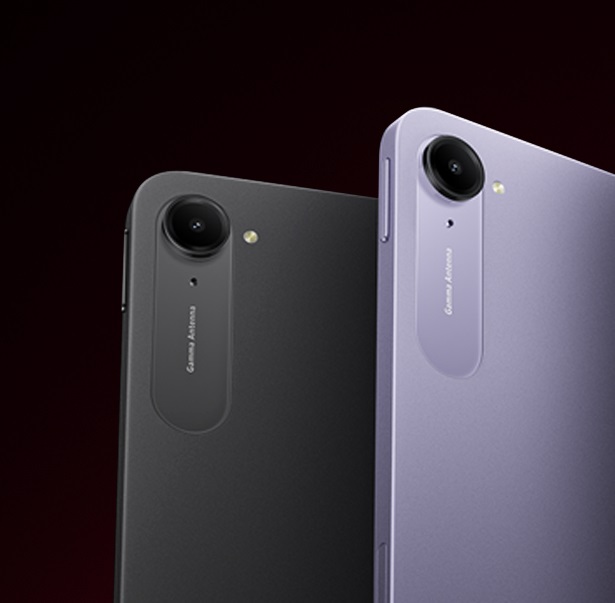
What makes this launch especially interesting is how Xiaomi is positioning these devices to appeal to two very different audiences: power users who want a larger canvas and portability-focused buyers craving compact premium performance.
Redmi Pad 2 Pro: Big screens, multiple flavors
The Redmi Pad 2 Pro family includes three distinct options: the standard Wi-Fi model, the Pad 2 Pro 5G, and the Pad 2 Pro Matte Glass Version. At the heart of all three is a vibrant 12.1-inch LCD panel pushing a 2.5K resolution, a silky 120Hz refresh rate, and brightness up to 600 nits. Xiaomi hasn’t skimped on visual technology either – Dolby Vision and TÜV Rheinland’s Low Blue Light certification are standard, while DC dimming ensures comfortable viewing during long sessions. The Matte Glass Version takes things up a notch with an anti-glare nano-texture finish that Xiaomi claims slashes reflections by as much as 97% – a potential game-changer for outdoor use.
Inside, all variants are powered by Qualcomm’s Snapdragon 7s Gen 4 processor, paired with up to 8GB of LPDDR4X RAM and 256GB of onboard storage. For those who need more, there’s support for microSD cards up to 2TB. Cameras remain modest yet functional: an 8MP sensor on the back of the Wi-Fi and Matte Glass models, upgraded to a 13MP shooter on the 5G version. All three feature an 8MP selfie camera for video calls or casual shots.
A huge 12,000mAh battery underpins the entire lineup, complemented by 33W wired charging. On the connectivity side, Wi-Fi 6 and Bluetooth 5.4 are standard, while the 5G model extends the appeal to mobile users on the go. Audio is another highlight: quad speakers tuned with Dolby Atmos aim to provide immersive sound whether you’re streaming, gaming, or just watching YouTube. All tablets run HyperOS 2 right out of the box, bringing features like Google Gemini integration and Circle to Search for smarter productivity.
Xiaomi Pad mini: Compact size, uncompromising power
Arguably the star of the event, the Xiaomi Pad mini targets those who want a small form factor without sacrificing top-tier specifications. At just 326 grams, this lightweight slate sports an 8.8-inch display that goes beyond expectations: 3K resolution, Dolby Vision, a peak brightness of 700 nits, and an impressive 165Hz refresh rate – something rarely seen in compact tablets.
Driving the experience is the MediaTek Dimensity 9400+, a cutting-edge chipset paired with up to 12GB LPDDR5X RAM and 512GB of UFS 4.1 storage. The performance leap here is notable, rivaling many laptops in raw capability. The camera system consists of a 13MP rear sensor with 4K video capture and an 8MP front-facing unit. The Pad mini also boasts a 7,500mAh battery with blazing-fast 67W charging and even 18W wired reverse charging, allowing it to act as a power bank in a pinch. Dual USB-C ports, stereo speakers, Hi-Res audio certification, and support for Wi-Fi 7 further elevate its credentials.
Colors, pricing, and positioning
The Redmi Pad 2 Pro Wi-Fi version starts at €299.9 for 6GB RAM/128GB storage, rising to €349.9 for 8GB/256GB. Buyers can choose from Graphite Gray, Lavender Purple, or Silver. The Matte Glass model with its enhanced display coating is fixed at €379.9 with 8GB/256GB. Meanwhile, the Redmi Pad 2 Pro 5G also begins at €379.9 (6GB/128GB) and comes in Gray or Silver.
On the premium compact front, the Xiaomi Pad mini enters at $429, offered in 8GB/256GB and 12GB/512GB trims, available in Purple and Gray. While its launch price positions it above the entry-level Redmi tablets, Xiaomi seems confident that the combination of bleeding-edge specs and portability will justify the tag.
Why these launches matter
What stands out is how Xiaomi has deliberately segmented its offerings. The Redmi Pad 2 Pro series caters to users who prioritize large displays, entertainment, and all-day battery life, while the Pad mini zeroes in on enthusiasts craving raw performance in a smaller frame. Still, criticisms have surfaced about the absence of biometric authentication, with some users humorously noting that even an iPad Air 2 from a decade ago offered fingerprint security. For many, however, the sheer power of the Dimensity 9400+ at around €420 starting price makes the Pad mini one of the most compelling compact tablets on the market today. Price drops after launch are also expected, which could further sweeten the deal.
In short, Xiaomi is sending a clear message: whether you want a workhorse slab for productivity and streaming or a pocket-friendly powerhouse with laptop-like muscle, there’s now a Pad for you.
4 comments
damn that screen on mini is wild, 165hz on a tablet 😮
redmi pro 5g version is kinda nice but price close to mini makes choice tough
pad mini looks insane for its size, specs are 🔥
i like the matte glass version, glare reduction sounds useful tbh