The Xiaomi Pad Mini is a compact tablet that has quickly garnered attention for its battery life and fast charging capabilities. With the rise of its larger counterpart, the Xiaomi Pad 7 Pro, this smaller device has proven itself a worthy contender in the tablet market. 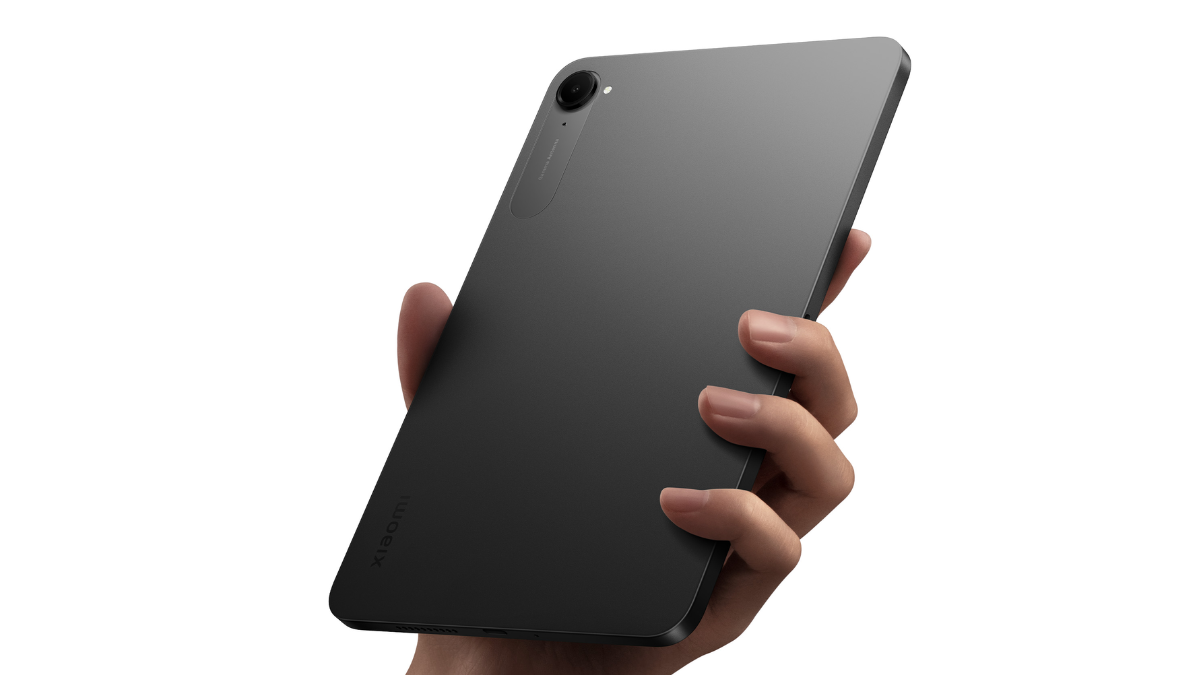
This review delves into its battery performance, charging speed, and additional features that set it apart from other devices in its class.
Before the release of the Redmi Pad SE 8.7, Xiaomi had been relatively quiet in the sub-9” tablet market. But with the introduction of the Xiaomi Pad Mini, the company has made a noticeable return. The Xiaomi Pad Mini, globally launched following its Chinese counterpart, the Redmi K Pad, features an 8.8-inch IPS LCD screen with impressive 165Hz refresh rate and support for 12-bit color. Under the hood, it is powered by the Dimensity 9400+ chipset, a flagship processor from MediaTek, ensuring smooth performance for a variety of tasks.
While its screen and performance are worthy of attention, we’re focusing today on the battery life and charging efficiency of the Xiaomi Pad Mini. The tablet is equipped with a 7,500mAh battery that supports 67W fast charging. This is complemented by the inclusion of a 67W charger and a USB-A to USB-C cable, ensuring that the user has everything needed to experience the tablet’s full potential right out of the box.
We subjected the Xiaomi Pad Mini to a battery life test, and the results are quite remarkable. The tablet lasted 13 hours and 39 minutes in our Active Use score test, which is impressive considering the size of the battery. For comparison, the larger Xiaomi Pad 7 Pro, with its 8,850mAh battery, only managed around 10 hours of use. A similar device, the RedMagic Astra, also with an 8.2-inch screen but powered by the Snapdragon 8 Elite, came up short with just over 11 hours despite having a larger 8,200mAh battery.
One of the key factors here is the balance between battery size and efficiency. While the Xiaomi Pad Mini has a smaller battery, it makes up for it with greater efficiency, which is evident in its battery performance. Its superior Active Use time gives it an edge over similarly-sized and even slightly larger tablets.
Charging the Xiaomi Pad Mini from empty was another interesting aspect to evaluate. Initially, at the 15-minute mark, the device had reached 31% charge. While this may not seem like an impressive result at first glance, it’s important to consider the competitive landscape. For example, the iPad 11-inch, with a smaller 7,600mAh battery, lags behind significantly in this area with only 17% charge in the same period.
By the 30-minute mark, the Xiaomi Pad Mini had reached 57% charge, which aligns closely with the manufacturer’s official claim of 58% in 30 minutes. A full charge, however, took exactly one hour, which is quite efficient given the device’s 7,500mAh battery. When compared to other tablets, like the RedMagic Astra with its 80W charging and 8,200mAh battery, the Xiaomi Pad Mini held its ground, finishing a few minutes ahead in terms of full charge time.
What’s crucial here is that wattage alone isn’t the determining factor in charge time. For instance, while the RedMagic Astra’s 80W system initially outpaced the Xiaomi Pad Mini, the latter was able to finish the full charge process faster. This shows that factors like battery capacity, charging system optimization, and battery management play a significant role in real-world charging performance. Interestingly, despite having a larger battery, the RedMagic Nova, a 10.9-inch device, was also slower in terms of charging speed, demonstrating that the last stretch of battery charging is the most critical phase when it comes to charging time.
Another unique feature of the Xiaomi Pad Mini is its dual USB-C ports, which offer an enhanced user experience. One of these ports is dedicated to power input and supports data transfer, while the other is a DisplayPort 1.4, allowing users to connect external displays or USB hubs. This additional port also serves as a convenient location for plugging in external power, allowing users to charge the tablet while gaming or using demanding applications. Unlike many tablets that place the USB-C port on the short side, which can obstruct hand positioning, the Xiaomi Pad Mini places the port on the longer side, providing a more comfortable experience during use.
In addition to these features, the Xiaomi Pad Mini supports 18W reverse charging, which means you can use it to charge other devices, such as your smartphone. This reverse charging functionality also extends to portable USB-C monitors, allowing you to power them directly from the tablet, which is a handy feature for mobile productivity setups. If you need extra runtime, you can simply plug in a power bank into the other USB-C port, effectively extending the tablet’s operating time.
Ultimately, the Xiaomi Pad Mini offers a fantastic balance between battery life, charging efficiency, and user-friendly features. While it may not be the absolute fastest charger in its class, its overall efficiency, coupled with the practical USB-C ports and reverse charging, make it a compelling option for those in need of a compact tablet with long-lasting power. It’s clear that Xiaomi has put a lot of thought into the design of this tablet, creating a device that is both practical and capable of supporting a variety of use cases, whether for work, play, or entertainment.
In conclusion, the Xiaomi Pad Mini stands out for its impressive battery life, quick charging times, and versatile features, making it a solid choice for anyone in search of a compact and efficient tablet. Its combination of good battery efficiency, fast charging, and practical design features make it a competitive option in the market.
2 comments
I’m still amazed at how Xiaomi has packed all these features into a small tablet. Feels like it’s built for power users
The dual USB-C ports are a fantastic addition. I use one for charging and the other for my monitor