Xiaomi 17 Ultra leak hints at a bold new photography kit
Xiaomi appears to be gearing up for one of its most photography focused flagships yet. According to fresh leaks surrounding the Xiaomi 17 Ultra Photography kit, the company is preparing a redesigned camera system and might even push the launch forward, aiming for an unveiling as early as late December. 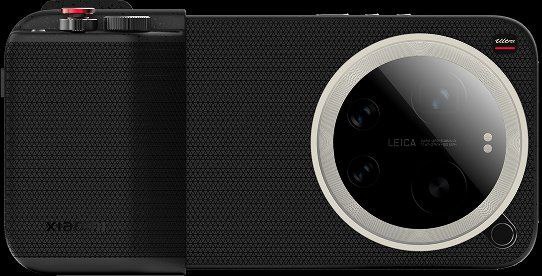
If these reports hold true, the 17 Ultra could arrive ahead of the usual flagship cycle, giving Xiaomi a head start in the 2026 camera phone race.
The most eye catching part of the leak is the rear module. Renders of the Xiaomi 17 Ultra Photography kit point to a triple rear camera setup, a noticeable change from the quad camera array on the Xiaomi 15 Ultra. On paper that sounds like a downgrade, but the details of the sensors suggest Xiaomi is trading sheer camera count for fewer, higher quality modules backed by more advanced processing.
The Xiaomi 15 Ultra shipped with two dedicated telephoto cameras, one tuned for medium range 3x zoom and another for longer reach. The new leak claims that on the 17 Ultra, Xiaomi may remove the older 50 MP 3x telephoto and instead introduce an upgraded telephoto system built around a much more capable sensor, simplifying the array while trying to boost real world image quality. In practice, this can mean cleaner zoom shots, better detail in low light, and more consistent image processing across focal lengths.
Under the hood, the main wide camera on the Xiaomi 17 Ultra is rumored to use a 50 MP OVX10500U sensor, likely with a large physical size and advanced pixel binning to deliver sharp daytime photos and brighter night shots. The standout, however, is the reported 200 MP Samsung ISOCELL S5KHPE telephoto unit. A telephoto with such a high resolution allows for detailed zoom images, plenty of cropping headroom, and more flexibility for features like in sensor zoom and portrait modes without relying as heavily on digital tricks.
The ultrawide camera is tipped to be either a 50 MP OV50M or a 50 MP S5KJN5 sensor. Both options would keep the entire rear lineup firmly in high resolution territory, reducing the typical gap in quality between the main camera and the ultrawide. For fans of group photos and dramatic landscapes, this could mean ultrawide shots that finally match the sharpness and dynamic range of the primary camera instead of feeling like a compromise.
Selfie shooters are not being ignored either. The Xiaomi 17 Ultra is expected to feature a 50 MP OV50M front facing sensor, a serious upgrade over the average selfie camera. Such a setup should enable highly detailed selfies, more natural skin tones, and sharper 4K front camera video, which is particularly important for vloggers and video calls. Combined with Xiaomi's portrait algorithms, the front camera could become one of the phone's biggest selling points.
Of course, powerful camera hardware needs equally powerful processing. The leak suggests that the Xiaomi 17 Ultra will be powered by the Snapdragon 8 Elite Gen 5 SoC, Qualcomm's next generation flagship chipset. Beyond raw performance, this chip is expected to bring stronger AI and image processing capabilities, which Xiaomi can use to refine computational photography, improve night mode, speed up autofocus, and enable more advanced multi frame processing for both photos and video.
On the software side, the 17 Ultra is rumored to ship with HyperOS 3, Xiaomi's latest software platform. In addition to UI refinements, HyperOS 3 is likely to include updated camera features, photo editing tools, and tighter integration between the gallery, cloud backup, and AI driven enhancements. Expect smarter scene recognition, improved HDR handling, and possibly new creative shooting modes that take advantage of the 200 MP telephoto and the high resolution selfie sensor.
All of this positions the Xiaomi 17 Ultra as a true successor to the 15 Ultra, not just in terms of specs on a sheet, but in the way the camera system is structured. Instead of chasing the highest number of lenses, Xiaomi seems to be betting on fewer but stronger modules, paired with cutting edge silicon and software. If the early launch window around late December is accurate, we may soon find out whether this streamlined triple camera approach can outshoot last year's quad camera design and challenge rivals from Samsung, Apple, and other Android heavyweights.
1 comment
another ultra from xiaomi and my wallet is crying already 😭