Xiaomi’s latest flagship experiment – the Xiaomi 17 series – was supposed to mark a turning point for the brand. With bold naming that directly mirrors Apple’s iPhone 17 and even a Xiaomi 17 Pro Max model, the company hoped to spark consumer excitement by drawing comparisons with Apple’s most iconic devices. The strategy included design cues unmistakably inspired by the iPhone 17 Pro, yet Xiaomi added its own flair, such as the extra rear display. 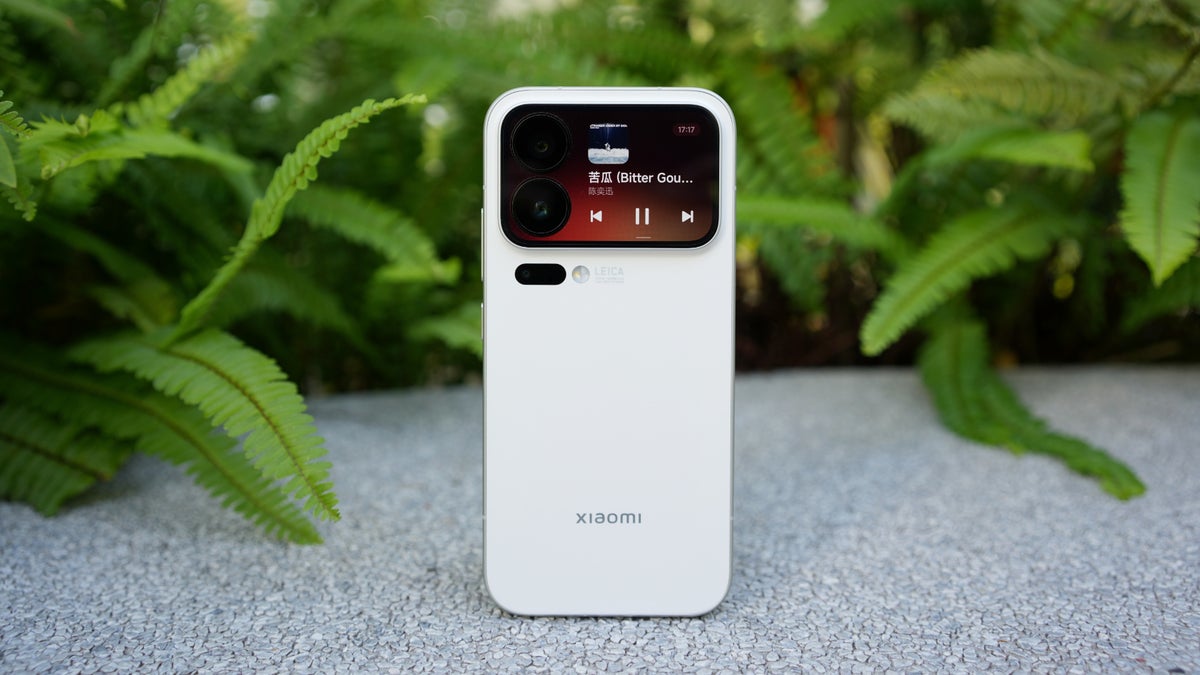
But despite the flashy moves, the gamble seems to be backfiring.
According to fresh analysis, Xiaomi has already reduced shipments of the Xiaomi 17 lineup by around 20%. The cutback is particularly linked to sluggish demand for the base Xiaomi 17, a device that, unlike the Pro versions, doesn’t replicate the iPhone 17 Pro’s new look. While the Xiaomi 17 Pro and 17 Pro Max have drawn more attention with their daring designs, the overall sales picture suggests they can’t fully compensate for the weaker performance of the entry-level model.
The problem appears twofold. On the one hand, Apple’s long-awaited iPhone 17 redesign has electrified its fan base in China, overshadowing Xiaomi’s attempt to echo it. On the other, Xiaomi’s marketing push – though eye-catching – hasn’t translated into the type of unique identity that can sustain consumer loyalty in a fiercely competitive market. For many buyers, the iPhone 17’s design feels authentic and fresh, whereas Xiaomi’s iteration risks being perceived as mimicry rather than innovation.
That is particularly unfortunate because the Xiaomi 17 Pro and Pro Max are far from gimmicks. They are among the first smartphones to run on Qualcomm’s Snapdragon 8 Elite Gen 5 chipset, setting new benchmarks in raw performance. Their camera systems are equally impressive, with results that some enthusiasts argue put the Samsung Galaxy S25 Ultra to shame. The inclusion of a rear display might not win over everyone, but it signals that Xiaomi is still willing to experiment.
Yet the bigger challenge for Xiaomi may not lie in hardware specs at all, but in its ability to craft a future-proof narrative. Analysts suggest the brand will need to double down on artificial intelligence features and long-term ecosystem development. Apple’s Apple Intelligence suite is still finding its footing, leaving a potential opening – but only if Xiaomi can frame itself as the leader in forward-looking AI tools rather than just the company that borrowed Apple’s design playbook.
In short, the Xiaomi 17 series is a reminder that borrowing design cues from rivals can win short-term attention, but true long-term success depends on daring to lead rather than follow. For Xiaomi, the next steps could determine whether it remains a serious player in the flagship arena or slips into being just another brand chasing Apple’s shadow.
1 comment
I still think the rear screen is cool but yeah kinda useless tbh