Xiaomi is preparing to unveil its next-generation flagship smartphones, the Xiaomi 17 series, and excitement is already heating up thanks to fresh benchmark leaks. The spotlight is firmly on the Xiaomi 17 Pro, which has surfaced on Geekbench carrying Qualcomm’s upcoming Snapdragon 8 Elite Gen 5 SoC, a chip officially scheduled to debut on September 23.
The Geekbench listing reveals a device with the model number 25098PN5AC, widely believed to be the 17 Pro. 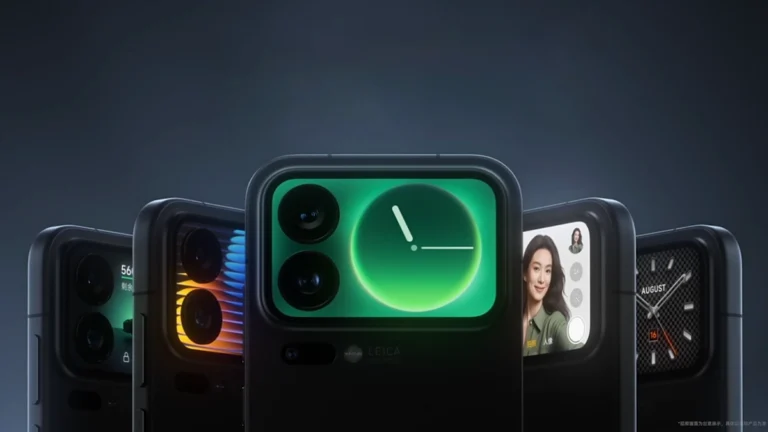
According to the data, the handset will ship with 16GB of RAM and run Android 16, which in Xiaomi’s ecosystem will likely mean the next major build of HyperOS 3. This combination suggests that the brand is aiming squarely at high-end performance for power users and creators who rely on phones for productivity and gaming.
Qualcomm’s new chipset is listed with two Oryon cores clocked at 4.61 GHz alongside six cores running at 3.63 GHz. In terms of raw numbers, the Xiaomi 17 Pro scored 3,096 in single-core tests and 9,382 in multi-core. These figures make it one of the most powerful smartphones on the horizon, but as always, synthetic benchmarks only tell part of the story. Efficiency, thermal management, and optimization in daily tasks remain just as important as raw speed.
What sets the 17 Pro apart is not just its processor, but also its secondary rear display, a design element Xiaomi has experimented with before in the Mi 11 Ultra. This small screen on the back could be used for quick notifications, selfies using the main camera, or innovative software tricks that other brands may follow later. It’s worth noting that Apple and Samsung have already dabbled with unique rear designs, highlighting how much the industry thrives on iterative borrowing.
Still, while benchmark enthusiasts cheer, skeptics remind us that most everyday users won’t notice the difference between a mid-tier chip and the cutting-edge Snapdragon 8 Elite. Benchmarks matter for gamers and professionals pushing limits, but the real-world impact is tied to efficiency, battery drain, and sustained performance under load. The debate around whether these sky-high scores actually translate into better user experiences is ongoing – and probably won’t end soon.
With the official unveiling later this month, the Xiaomi 17 Pro and 17 Pro Max promise to shake up the premium Android market. Whether these devices deliver beyond the benchmarks will soon be clear, but one thing is certain: Xiaomi is determined to stay at the forefront of performance and design innovation.
1 comment
someone said it looks slower than last gen? nah its not, u can check the full browser listing