When Microsoft talks about “Xbox” in 2025, it no longer means a single plastic box under your TV. In a recent conversation with Fortune, Xbox president Sarah Bond sketched a vision where the console is still the heart of the brand, but the pulse of that heart reaches phones, PCs, tablets and the cloud. 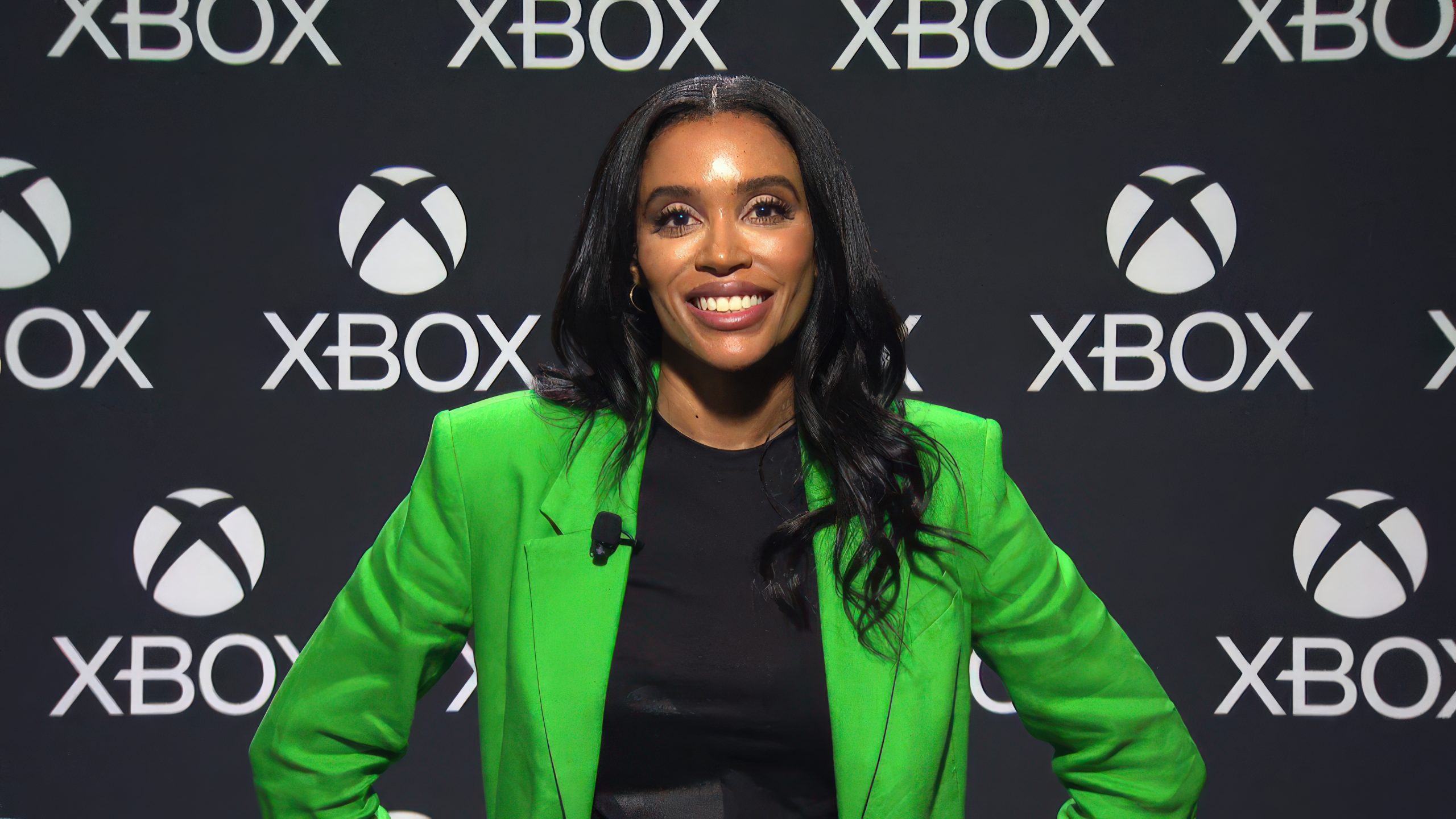
For her, the story of the next Xbox generation is not about abandoning hardware, but about turning that hardware into the launchpad for an entire cross-screen ecosystem.
Bond, who joined Microsoft after stints at McKinsey and T-Mobile, describes herself first as a lifelong player. That matters, because the hardest questions Xbox faces today come from players: if almost every Xbox game now appears on PC, cloud and even rival consoles, what is the point of buying an Xbox at all? Bond’s answer starts with a simple statement: dedicated hardware still defines the premium Xbox experience.
According to her, the most engaged fans want a powerful, reliable machine that they can switch on and just play, without worrying about drivers, specs or battery life. That is why Microsoft is already deep into work on its next generation of Xbox hardware. She doesn’t share specs, but she emphasises raw power, speed and responsiveness, and hints that the new console is being designed as a long-term home for existing libraries rather than a hard reset. The goal is for players to boot the new box and instantly see their games, saves, friends and purchases ready to go.
That continuity is crucial to Microsoft’s broader strategy. In Bond’s framing, the console is the place where many players first build their library and identity. Once that foundation exists, Xbox wants to follow them everywhere. Buy a game on console and you should be able to continue on your gaming PC, stream it to a tablet in bed, or pick up a controller in a hotel room and resume over the cloud. Your friends list, your achievements, your in-game purchases, even the store itself are meant to travel with you, not stay locked to a single screen.
This is also why the company has pushed back so firmly on rumours that it was preparing to exit the hardware race. Slower sales of Xbox Series X|S compared with the previous generation sparked speculation that Microsoft would lean entirely into publishing, subscriptions and cloud. Bond’s comments are the clearest rebuttal so far: the console business is not being wound down, it is being re-imagined as the anchor of a much wider platform.
Of course, that wider platform invites criticism. Some players look at Game Pass, day-one first-party releases and the push onto every device and worry that Microsoft is quietly building its own version of Steam, but with even more control. After a sharp price rise on Game Pass Ultimate — now the only tier that reliably includes new first-party titles like Call of Duty from day one — the fear of a future subscription monopoly has only grown louder.
Bond argues that this is the wrong way to read Xbox’s plans. She stresses that the company is not betting on a single business model. Subscriptions are one option: an affordable way to sample a rotating catalogue and dive into big releases the moment they drop. But if you want to own your games outright, you can still buy them digitally or on disc, keep them forever, and play them offline. On PC, many Xbox-published games continue to launch on Steam as well as the Microsoft Store. For Bond, this mix of ownership and access is the real differentiator.
She also highlights the developer side, often ignored in the console wars discourse. Developers can choose whether to participate in Game Pass, to sell their titles traditionally, or to blend multiple approaches with DLC, microtransactions or premium editions. The promise from Xbox is reach: wherever players decide to log in — console, PC, phone, TV or browser — the developer’s game should be there, with a business model that actually works for that studio.
What emerges from Bond’s comments is a picture of Xbox as a service layer wrapped around a still-very-real console. It is a response to a world where players expect everything to sync: music, movies, social feeds and now games. Yet the tensions are impossible to ignore. The same cross-screen convenience that excites some fans makes others anxious that physical consoles and game ownership are slowly being sacrificed at the altar of recurring revenue.
For now, Microsoft is trying to have it both ways. The next Xbox aims to be the most powerful and seamless console the company has ever shipped, while the broader Xbox ecosystem stretches to almost every screen that can run an app or a browser. Whether players see that as welcome freedom or the first step toward a walled garden built in Microsoft’s image will depend on how carefully Xbox balances power, price and genuine choice in the years ahead.
2 comments
ngl this just sounds like MS wants to be “Steam but for everything” and that kinda freaks me out 😂
As long as I can still BUY discs and not lose my library when a sub ends, I don’t mind the whole ecosystem thing