Xbox’s Price Spiral: From Gamers to Developers, Everyone’s Paying More
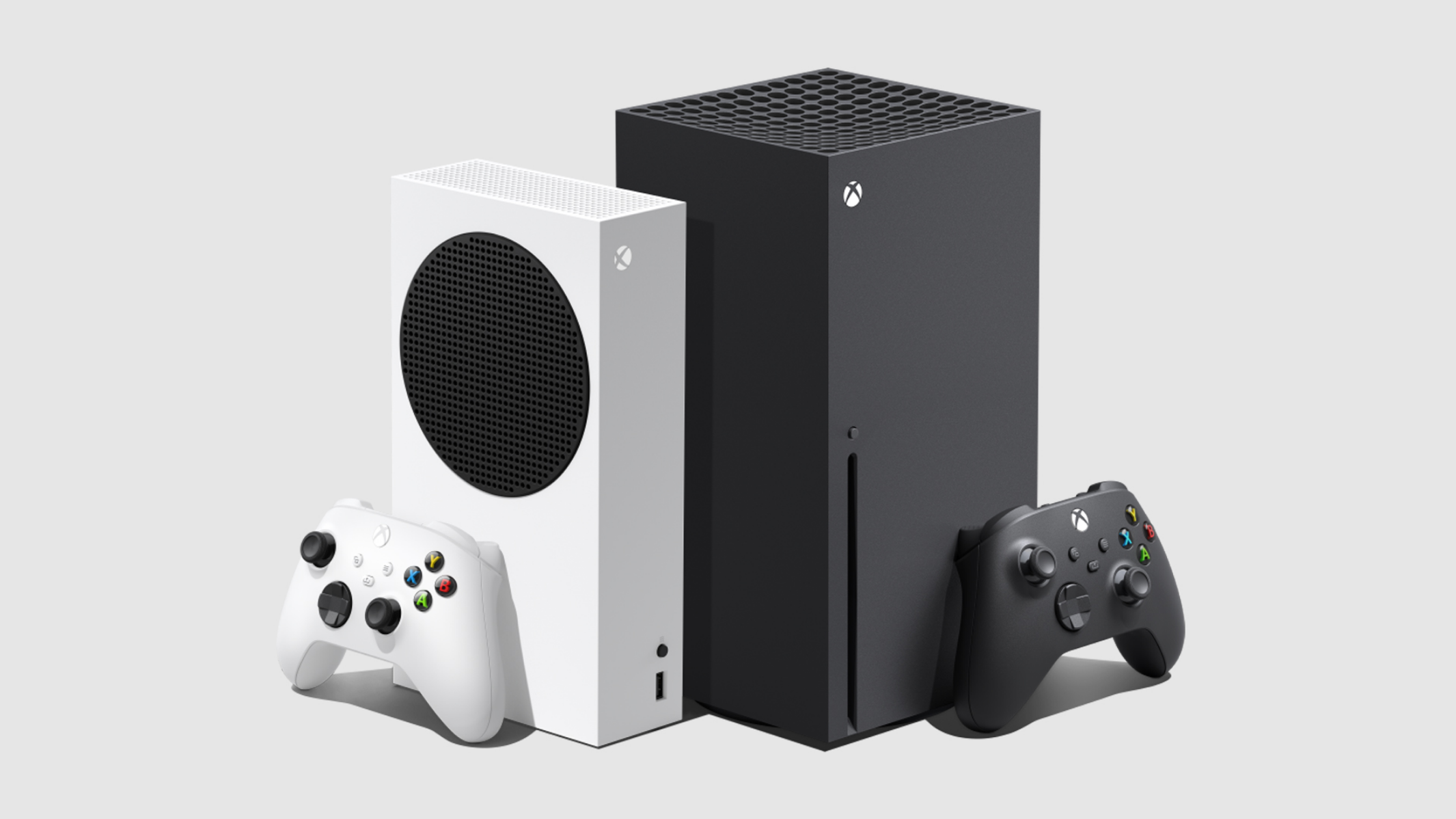
Microsoft’s Xbox division seems to be embracing an uncomfortable trend – making everything about Xbox more expensive. After recently hiking prices on Xbox Series X/S consoles and Xbox Game Pass subscriptions, a new report by The Verge suggests that game developers are now feeling the sting. The cost of Xbox development kits – specialized consoles used to create and test games – has reportedly jumped by 33%, climbing from $1,500 to $2,000 USD. That’s not a small bump, and it’s sending ripples through the development community.
While Microsoft officially cites “macroeconomic developments” as the reason, this increase represents a global adjustment – not just a U.S. issue. For many developers, especially independent studios and small teams, this feels like another door closing in an already challenging environment. After all, a dev kit isn’t just a retail Xbox – it’s a beefed-up machine, loaded with extra debugging tools, software permissions, and enhanced hardware that allow developers to build, test, and optimize unfinished games. Those extra capabilities come at a cost, sure – but increasing that cost in a tough economic moment feels, to many, like a tone-deaf move.
Historically, the exact pricing of dev kits has always been a closely guarded secret, often protected under non-disclosure agreements between studios and console manufacturers like Sony, Nintendo, and Microsoft. But leaks and insider confirmations have made one thing clear: this is not business as usual. The timing of the price increase – coinciding with rising console and subscription costs – sends a clear message that Xbox is shedding its former reputation as the ‘best deal in gaming’ and inching toward being the most expensive ecosystem in the industry.
Part of the reason, analysts suspect, lies in U.S. tariffs and import duties affecting electronic components, which have inflated production and shipping costs. But that explanation doesn’t comfort developers struggling to stay afloat. Many are already operating on thin margins, and the idea of paying an extra $500 for hardware they need just to publish on Xbox feels like yet another barrier to entry. Even if developers can technically activate ‘Developer Mode’ on a retail Series X or S console by paying a small fee, those machines don’t offer the same performance or diagnostic tools as official dev kits – meaning serious studios can’t realistically rely on them for professional production.
It’s a particularly bitter pill given the current state of the gaming industry. Even as blockbuster games rake in millions, layoffs and studio closures have become alarmingly common. For many developers, the message from Microsoft seems clear: the Xbox platform is no longer a friendly or affordable place to start. It’s a shift that contradicts the company’s previous strategy of courting indie developers with accessibility and affordability. By making its tools more expensive, Microsoft risks alienating the very people who bring new, creative content to its ecosystem.
Some see this as part of a broader corporate pattern. Critics have compared Microsoft’s current moves to its infamous handling of Nokia – a moment in tech history where aggressive pricing and unclear strategy led to the slow suffocation of what could have been a thriving division. Others argue that this might be a prelude to an even bigger change: perhaps Microsoft is quietly pulling away from hardware altogether, pivoting toward cloud and software as its main focus. That theory aligns with the company’s increasing emphasis on Game Pass, PC integration, and multi-platform releases.
Still, the optics are bad. When both consumers and creators are paying more, it raises the question of what exactly Microsoft’s long-term goal is. For players, the value proposition of Xbox has shifted – no longer the budget-friendly choice, it’s now the premium-priced one. For developers, the message feels almost exclusionary. If making games for Xbox becomes more expensive and difficult, smaller studios might simply choose other platforms – PlayStation, Nintendo, or even PC – where development costs and processes are more stable.
What’s especially puzzling is the lack of transparency. Microsoft hasn’t officially confirmed the price increase, but multiple sources corroborate the figures, and developers worldwide are quietly grumbling about the implications. It’s hard to see how this benefits Xbox’s image or future. After years of promoting the brand as an open, developer-friendly hub, this shift feels like a reversal – one that could hurt both innovation and the diversity of games on the platform.
In the end, the new $2,000 dev kit price tag may not cripple major studios, but it sends a troubling signal. In a time when accessibility and affordability are key to creative survival, Microsoft’s decision could inadvertently make Xbox a harder place for fresh ideas to grow. The phrase “the most expensive deal in gaming” might be more literal than anyone expected – and both gamers and developers are paying the price.
1 comment
Remember when Xbox used to be the ‘best deal in gaming’? Yeah, that’s long gone. RIP affordable gaming