Wireless keyboards have rapidly become a staple in homes and offices thanks to their clean look and cable-free convenience. Yet, in the world of competitive gaming, they continue to carry a stigma. Many seasoned gamers insist that when victory depends on split-second decisions, only a wired keyboard can guarantee the speed and reliability needed. 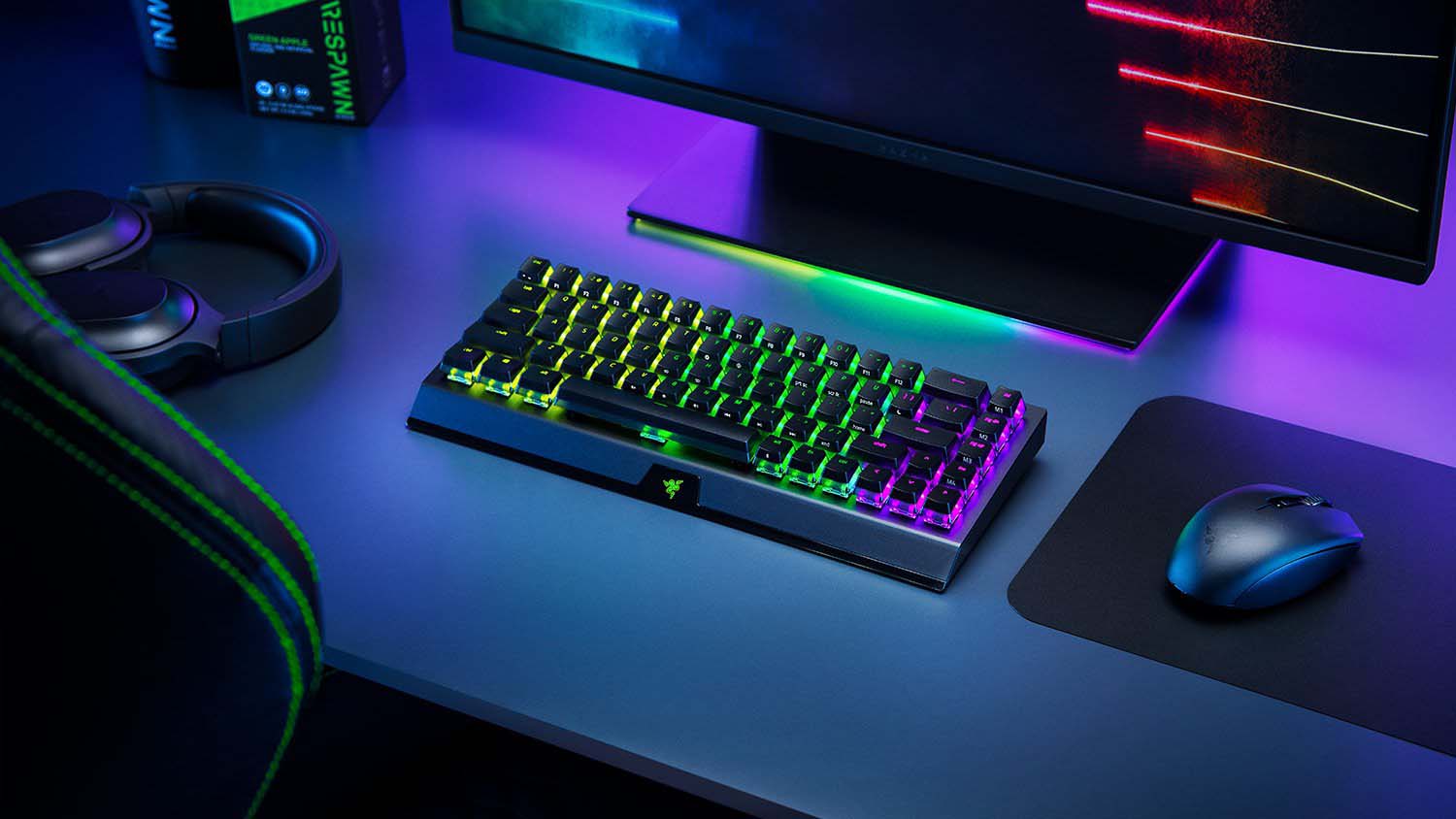
But is this reputation entirely justified, or is it based more on tradition than on current technology? Let’s dive deep into the truth about wireless keyboards, their latency, and whether they can really stand up to the high demands of esports and fast-paced titles.
The Role of Latency in Gaming
At its core, the debate around wireless versus wired keyboards boils down to latency – the time gap between pressing a key and the system registering that input. For everyday tasks like typing emails or writing reports, a delay of a few milliseconds makes no difference. But in competitive online games, particularly shooters, fighting games, or racing simulators, every millisecond counts. A delayed crouch, jump, or reload can be the difference between landing the winning shot or ending up on the respawn screen.
Latency is measured in milliseconds (ms), and according to independent testing by Rtings, some of the fastest mechanical keyboards deliver a near-instantaneous 0.4 ms response time. For context, most players won’t notice delays under 10 ms, but seasoned gamers with years of experience can perceive even the tiniest lag. Anything beyond 15 ms is often noticeable in competitive environments, where instinctive reactions drive performance.
How Keyboards Communicate with Your PC
The speed of a keyboard depends not only on the switches beneath each key but also on the way it communicates with your system. Wired keyboards connect directly via USB, giving them an advantage in avoiding signal interference. Even older USB 2.0 ports can theoretically support polling rates up to 8000 Hz. Polling rate refers to how often per second the keyboard checks for key presses and sends that information to the computer. A 1000 Hz polling rate means the keyboard sends signals 1,000 times every second. While most keyboards max out at 1000 Hz, some elite gaming models like the Corsair K100 RGB push the limits with an 8000 Hz polling rate, though in real-world scenarios the benefits may be marginal since games rarely process input faster than 1000 Hz anyway.
Wireless Keyboards: Radio vs Bluetooth
When discussing wireless performance, it’s important to distinguish between two main connection types: dedicated radio-frequency (RF) connections with a USB dongle and standard Bluetooth connections.
RF Wireless Keyboards: These are designed for gaming and can often match wired keyboards in responsiveness. Models like the Razer BlackWidow V3 Mini HyperSpeed deliver a 1000 Hz polling rate, which is virtually indistinguishable from wired options. Similarly, the Asus ROG Falchion tested at 3.7 ms response time, putting it well within the range of competitive viability. In fact, high-quality RF keyboards can outperform some wired models if the engineering is done right.
Bluetooth Keyboards: On the other hand, Bluetooth remains a poor choice for gaming. With a maximum polling rate of just 125 Hz, response time slows to around 8 ms or higher, and in power-saving modes, lag can worsen. For casual use, typing, or strategy games where timing isn’t razor-thin, Bluetooth works fine. But for shooters, MOBAs, or racing titles, this level of delay can cost players dearly.
Do RF Wireless Keyboards Have Any Weaknesses?
While RF gaming keyboards can be as fast as their wired counterparts, they’re not entirely flawless. Signal strength can degrade with distance. For example, if you try to play from across the room on a large TV setup, interference from walls or other electronics can weaken the connection and cause momentary input drops. Other wireless devices like mice, routers, or even baby monitors can also interfere with the signal. This doesn’t happen often with premium models but remains a risk to consider, especially in crowded electronic environments.
What Gamers Should Look For
When choosing a keyboard, context matters. If you’re a casual player who enjoys single-player adventures or slower-paced titles, almost any decent keyboard will suffice. For those who jump into competitive matches daily, details like polling rate, latency, and switch type become crucial.
Keyboards marketed as gaming peripherals usually publish technical specs such as polling rate and latency, allowing buyers to make informed decisions. Office or budget keyboards, however, rarely provide such details, making them less predictable for performance-sensitive tasks. If you’re shopping for gaming, stick with brands that specialize in esports-ready peripherals – names like Razer, Corsair, Logitech, and Asus ROG.
The Verdict: Are Wireless Keyboards Bad for Gaming?
The old wisdom that wireless keyboards are inherently bad for gaming is increasingly outdated. Today’s RF-based wireless models rival and sometimes even equal wired devices in terms of speed and accuracy. The stigma largely comes from Bluetooth keyboards and early wireless models that suffered from sluggish response times and reliability issues. Modern engineering has addressed many of these problems, giving gamers freedom from cables without sacrificing their competitive edge.
That said, if you demand absolute certainty in high-stakes tournaments, many professionals still prefer wired keyboards for peace of mind. Wires eliminate potential interference risks and guarantee consistency. But for the vast majority of players, a well-designed RF wireless keyboard will provide more than enough speed to keep up with the competition.
Final Thoughts
Wireless keyboards have come a long way. From being dismissed as second-rate input devices, they’ve evolved into powerful, responsive tools that can stand toe-to-toe with wired options. The choice now depends less on performance gaps and more on personal preference: Do you value the peace of mind that comes with a wired connection, or the flexibility and uncluttered setup offered by wireless? Either way, gamers today no longer have to compromise between speed and convenience.
2 comments
rf keyboards are fine unless ur cat blocks the dongle 😂
wired still feels safer in tournaments imo