Ubisoft has painted a stark picture of the modern games market in its latest UK financial filing, warning that many new releases are struggling to stand out as players supposedly move away from traditional full-price games. According to the publisher, the classic model of buying a single boxed or digital game for a premium price is becoming less common as people drift toward subscriptions, long running live service titles, free to play games and cloud platforms. 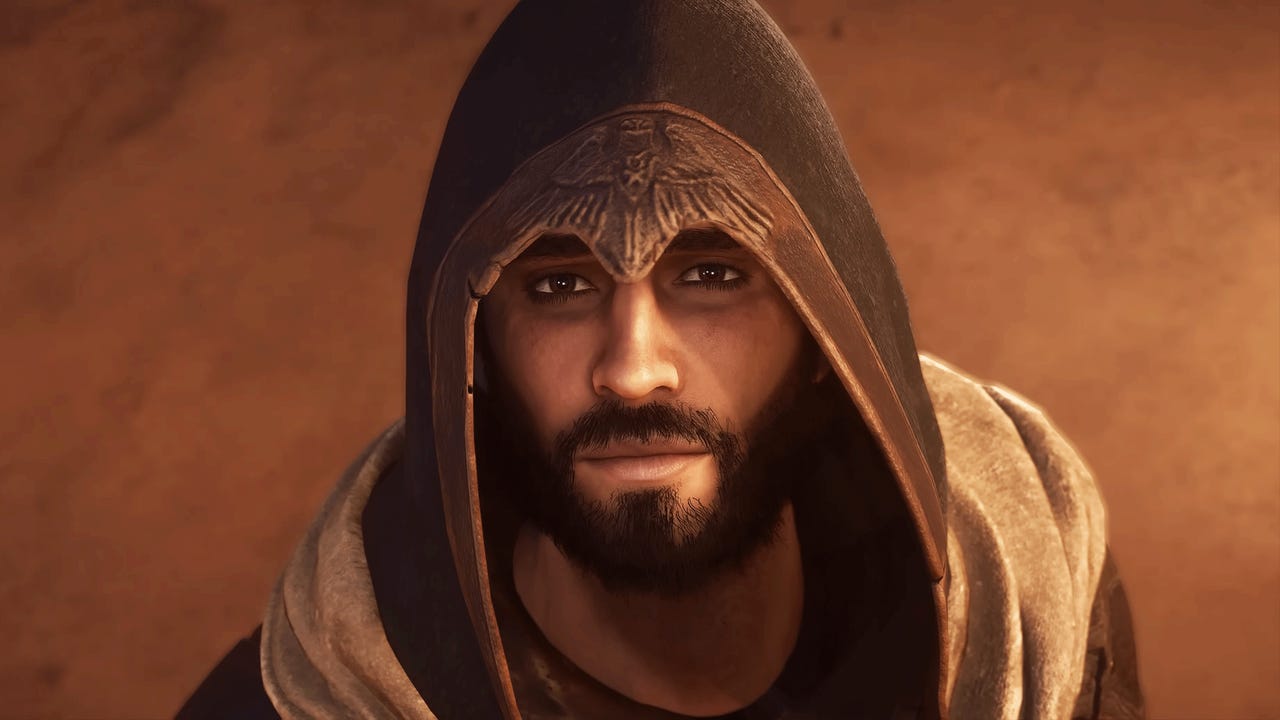
Against a backdrop of restructuring, layoffs and a dramatic pause in share trading, Ubisoft is clearly searching for an explanation for why its latest blockbusters are not performing as expected.
In the filing, the company argues that consumers are playing fewer games overall and that fewer one off titles manage to break through. The logic is simple on paper: if players are locking themselves into subscriptions or ongoing service games, there is less room in their time and budget for sixty or seventy dollar releases. From this angle, disappointing sales for projects like Star Wars Outlaws or its struggling live service shooters are symptoms of a wider shift in taste, not necessarily a reflection on the games themselves.
But outside the boardroom, the story looks very different. Over the past few years, single player, narrative driven releases have consistently dominated conversation and sales charts when they arrive polished and confident in what they are. Elden Ring, Baldur's Gate 3, Marvel's Spider Man 2, Hades 2 or smaller hits like Black Myth Wukong and Stellar Blade have shown that people are absolutely willing to pay full price for a game that feels distinctive and complete. These titles are not chasing trends or trying to be everything to everyone; they are building strong worlds, focused systems and clear identities. The market has not turned its back on traditional releases; it has turned its back on forgettable ones.
There is also the uncomfortable reality of money and time. A new release now routinely costs seventy or even eighty dollars in some territories, at the same time that living costs keep rising. Players simply cannot buy as many big games as they once did, and when they do, they expect those purchases to matter. On top of the price, many modern titles demand colossal time commitments, stretching to a hundred or two hundred hours of busywork. Faced with an ocean of options, people are becoming more selective, choosing a few games to invest in deeply rather than sampling every open world on the shelf or in a subscription catalog.
This is where Ubisoft's own catalogue comes under the harshest spotlight. For years the publisher has refined a particular open world formula: vast but often empty maps, regions to liberate, icons scattered across the interface, collectables everywhere and a familiar loop repeated under different intellectual properties. Whether the setting is a historical city, a futuristic dystopia or a galaxy far, far away, players increasingly feel they are playing variations of the same game. When every new entry stretches to triple digit hour counts yet offers the same structures they have already exhausted, fatigue inevitably sets in. The issue is not that people suddenly dislike single player adventures; it is that they are tired of paying premium prices for what feels like a reskin.
At the same time, trust in big publishers has been eroded by a pattern of rushed launches and aggressive monetisation. Broken releases that need months of patching, battle passes layered on top of full prices, microtransactions and expensive cosmetic DLC have convinced many long time players that big games are now designed first around quarterly revenue targets and only second around entertainment. Free to play titles often succeed not because players hate paying upfront, but because those games are updated consistently, communicate clearly and, at their best, respect the time and money of their communities. When faced with a seventy dollar game that feels unfinished versus a free one that receives regular support, the choice is not hard.
The Assassin's Creed series sits right at the heart of this tension. Early entries were defined by tight storytelling, drama and a strong sense of place, with Assassin's Creed II still remembered as a high point. As the franchise shifted into sprawling semi RPG open worlds, some players enjoyed the increased scale while others felt the original strengths were diluted under systems and filler. Ubisoft has now gone all in on the brand, with an ambitious slate that includes Assassin's Creed Shadows, the witchcraft themed Hexe, a multiplayer project and a long awaited Black Flag remake. Yet even here, the company has had to slow its production schedule and give Shadows more time, a quiet admission that the previous machine like pace was unsustainable.
When Ubisoft claims that consumers are simply playing fewer games, it sidesteps another reality: people are actually playing a wider variety of games from a wider variety of creators. Indies, mid scale studios and regional developers are thriving when they offer something with personality and soul. Modern storefronts, early access platforms and social recommendation loops make it easier than ever for word of mouth hits to cut through. Core players in particular are pushing against a trend they never asked for, choosing projects that feel handcrafted over those that read like committee designed checklists.
In truth, there is no single perfect model that will work for everyone. The modern audience is fragmented; some people love a forever game they can log into every night, others want a focused thirty or forty hour experience they can finish and fondly remember. As with the famous metaphor about pasta sauces, the trick is not to chase one mythical ideal but to accept that different players want different flavours. Trying to force every project into a giant, bloated open world or a live service framework is a recipe for disappointment.
The path forward for Ubisoft and publishers like it is less mysterious than they sometimes suggest. Players are not demanding miracles. They want complete, well made games that respect their time and avoid treating them purely as revenue streams. They want launches that work on day one, stories that take risks, systems that feel crafted rather than copy pasted from last year's design document. When those conditions are met, people have repeatedly shown that they are more than willing to pay full price. The real crisis is not that the audience has abandoned traditional releases; it is that too many traditional releases stopped feeling worth the asking price.
Ubisoft can continue to insist that the problem lies with consumer behaviour, or it can listen to what its own fans have been saying for years. Gamers are voting with their wallets, turning away from sloppy and uninspired projects and toward games that feel genuine. If the company wants its next wave of Assassin's Creed titles or new IP to thrive, the solution is the oldest one in the medium: make the best game you can, finish it properly and stand by it. Subscriptions and services will rise and fall, but quality is the only trend that never goes out of fashion.
1 comment
Ubisoft saying ppl hate single player now is wild lol. GAAS is burning out everywhere and the games that blow up are just, you know, actually good single player stuff