Over the past few days, the tech world has been buzzing with a rather sensational claim: that NVIDIA CEO Jensen Huang’s trip to Taiwan was secretly linked to a request from former U.S. President Donald Trump, demanding a ‘profit-sharing’ arrangement with chip giant TSMC. 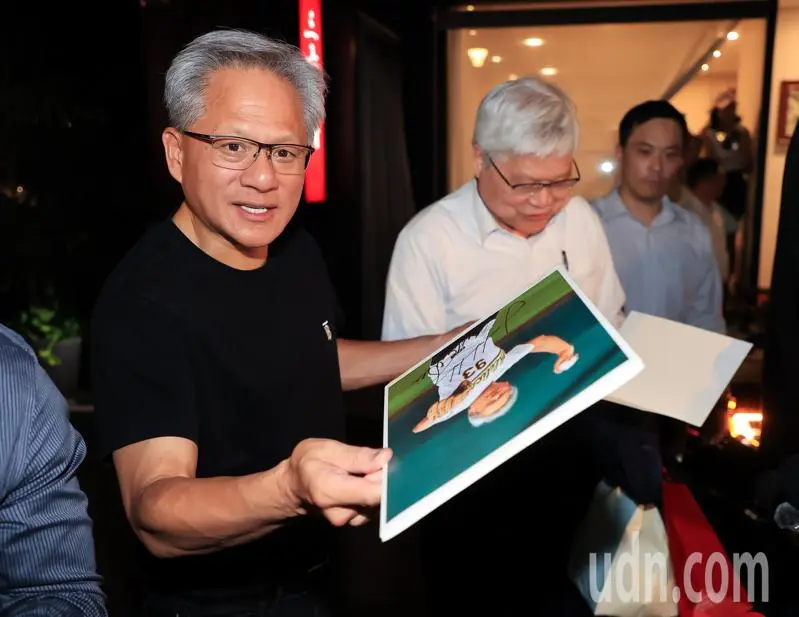
However, this rumor, first circulated by Taiwanese outlet CNA and amplified in online discussions, has now been firmly denied by TSMC itself. The company has made it clear – no such deal was discussed, and no political message was being carried by Huang.
To understand why this rumor gained traction, it’s worth recalling the backdrop. Earlier this year, Trump floated a controversial proposal suggesting that American semiconductor firms such as NVIDIA and AMD should pay a 15% levy on chips sold to China. Although no formal policy has been enacted, the mere idea underscored the administration’s willingness to tightly control and extract value from U.S. firms operating in China. Against this backdrop, when Huang made a sudden trip to Taiwan, speculation quickly spiraled that he was acting as a messenger to pull TSMC into the same arrangement.
The claim suggested that Trump wanted not only American firms but also TSMC – the world’s largest contract chipmaker – to join this deal, ensuring that the entire AI chip supply chain feeding China would come under U.S. leverage. The rumor painted a picture of Huang personally relaying this demand to TSMC executives. But according to both TSMC’s official statement and reporting by FocusTaiwan, this simply did not happen. The company dismissed the suggestion as baseless.
So what was Jensen Huang actually doing in Taiwan? Industry insiders point to a far more practical reason: overseeing production of NVIDIA’s upcoming Rubin AI lineup. Reports indicate that as many as six new chips under the Vera Rubin brand are in development, and Huang wanted to ensure TSMC’s production schedule was aligned with NVIDIA’s aggressive rollout plans. He also acknowledged publicly that TSMC is indispensable to NVIDIA’s growth, predicting that the foundry will only get busier in the months ahead as global demand for AI accelerators skyrockets.
The context also matters. While Washington continues to impose export restrictions, the real obstacle for NVIDIA’s China business isn’t U.S. regulators alone but Beijing itself. Chinese authorities are increasingly urging domestic companies to adopt homegrown chip solutions, reducing dependence on U.S. firms. This dual pressure – from U.S. politics on one side and Chinese industrial policy on the other – creates a precarious future for NVIDIA’s China revenues.
For now, NVIDIA has declined to comment directly on the swirling rumors, perhaps preferring to avoid amplifying them. But TSMC’s swift denial underscores the company’s intent to distance itself from political bargaining narratives. In truth, the visit reflects the far more pressing reality: NVIDIA’s next-generation AI chips must be produced at scale, and only TSMC can deliver that capacity. The noise around Trump and alleged backroom deals may be headline-grabbing, but the real story is about the relentless demand for silicon and the global tug-of-war over who controls it.
1 comment
ngl i think ppl are overhyping this, he just went for chip stuff, politics not his job