TSMC, the world’s dominant contract chipmaker, is quietly preparing for another massive expansion wave on its home turf in Taiwan. After admitting that its existing capacity can no longer keep up with the surge in demand for cutting-edge semiconductors, the company is now lining up three additional facilities dedicated to 2nm production. Together, these new fabs represent an estimated initial investment of around $28.6 billion, underlining just how aggressively TSMC intends to defend its technological lead.
At the moment, TSMC already operates and builds multiple 2nm-capable sites in Hsinchu Science Park and Kaohsiung. 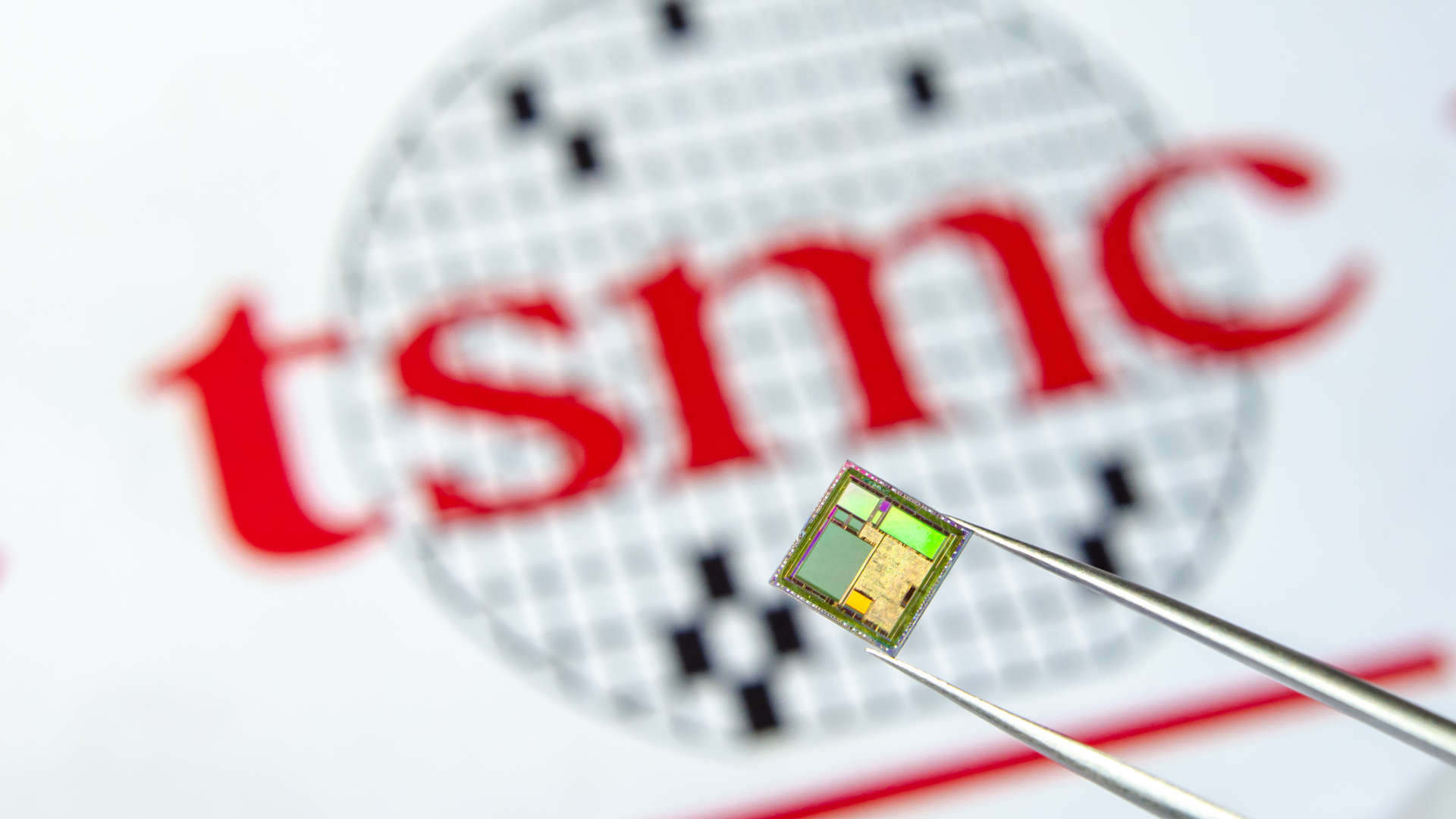
Industry chatter suggests that two of its local 2nm plants are already pushing toward their projected ceiling, with monthly output expected to reach roughly 100,000 wafers by the end of next year. Even that is not enough. The AI boom, the hunger for more efficient mobile chips, and the push for next-generation data center silicon have turned every extra wafer into a fiercely contested resource.
According to local reports from Taiwan, TSMC is fast-tracking construction for three more 2nm fabs in the Southern Taiwan Science Park Special Zone. Each site is expected to require an investment of about NT$300 billion, or roughly $9.54 billion, before a single wafer rolls off the line. For a company used to writing eye-watering checks, this is still a significant bet: a more than $28 billion commitment just to keep pace with customers that refuse to slow down their chip roadmaps.
These plans also highlight the company’s strategy of keeping its most advanced process technologies at home. While TSMC is building fabs in the United States, Japan and Europe, executives have signaled time and again that the very cutting edge – nodes like 2nm and beyond – will remain centered in Taiwan, where the core engineering talent, supply chain, and institutional know-how are concentrated. That decision has sparked plenty of debate among observers who expected more of the newest capacity to land on U.S. soil after generous subsidies and political pressure, but TSMC clearly believes its competitive advantage depends on maintaining a strong, tightly integrated base in Taiwan.
However, concentrating so much ultra-advanced manufacturing in one place raises practical and geopolitical questions. On a practical level, local residents and analysts are already asking whether Taiwan’s power grid can reliably feed three additional power-hungry fabs on top of the sites already under construction. Leading-edge semiconductor plants are notorious for consuming vast amounts of electricity and water, and every new complex forces the island to rethink energy policy, infrastructure investment, and even environmental trade-offs.
On a geopolitical level, critics point out that this density of irreplaceable manufacturing capacity makes Taiwan even more strategically sensitive. Any conflict or disruption in the region would reverberate across the global tech industry. The uncomfortable scenario of “silicon shield” calculations, evacuation plans and worst-case contingencies lingers in the background of every new construction announcement, even if companies and governments rarely say it out loud.
For customers, though, the appeal of 2nm is simple: more performance, lower power, and the ability to design increasingly complex chips without blowing through thermal and battery limits. Apple is reported to have locked in more than half of TSMC’s initial 2nm output for its upcoming A20 and A20 Pro chipsets, which are expected to power the future iPhone 18 family. With that kind of pre-booking, other major players like Qualcomm and MediaTek will be left competing for the remaining capacity for products such as the Snapdragon 8 Elite Gen 6 and Dimensity 9600 platforms.
This scramble for wafer slots is part of the reason TSMC cannot afford to stand still. If the company fails to scale fast enough, its customers risk delaying flagship devices and data center deployments, and some of them may look more seriously at rival foundries in the long term. By building out additional 2nm fabs now, TSMC signals to the market that it intends to remain the first and best option for anyone chasing leading-edge silicon, even if that means living with a permanent shortage mindset for the next few years.
At the same time, TSMC is already preparing for life beyond 2nm. In Taichung, construction is underway on the company’s A14 complex, which is slated to produce 1.4nm chips. The initial investment there is reportedly in the neighborhood of $49 billion, a staggering figure that reflects both the escalating cost of advanced lithography and the confidence that demand will follow. If 2nm is the new frontline, 1.4nm is the next hill the industry is racing toward.
Exactly how much extra 2nm capacity these new Taiwanese fabs will ultimately deliver remains an open question. TSMC has not yet disclosed final monthly wafer targets, and the ramp-up will stretch over several years as equipment is installed, tested and tuned. For now, what matters is the direction of travel: more capital expenditure, more domestic concentration of bleeding-edge technology, and more dependence of the entire tech ecosystem on a handful of square kilometers in Taiwan.
Whether you view this as an inspiring story of engineering excellence or a risky bet on a fragile status quo, one thing is clear: the world’s appetite for advanced chips shows no sign of slowing down. And as long as that is true, TSMC will keep pouring concrete, installing EUV scanners, and racing to stay just one node ahead of everyone else.
2 comments
Serious question: does Taiwan even have enough power for 3 more monster fabs? grid already looks stressed every summer…
All this cutting edge capacity in one small place makes me nervous tbh. one bad geopolitical day and half the tech world freezes