Smartphone prices rarely move in a straight line, but one powerful force is about to push them upward: wafer pricing at the world’s most advanced foundry. Taiwan Semiconductor Manufacturing Co. 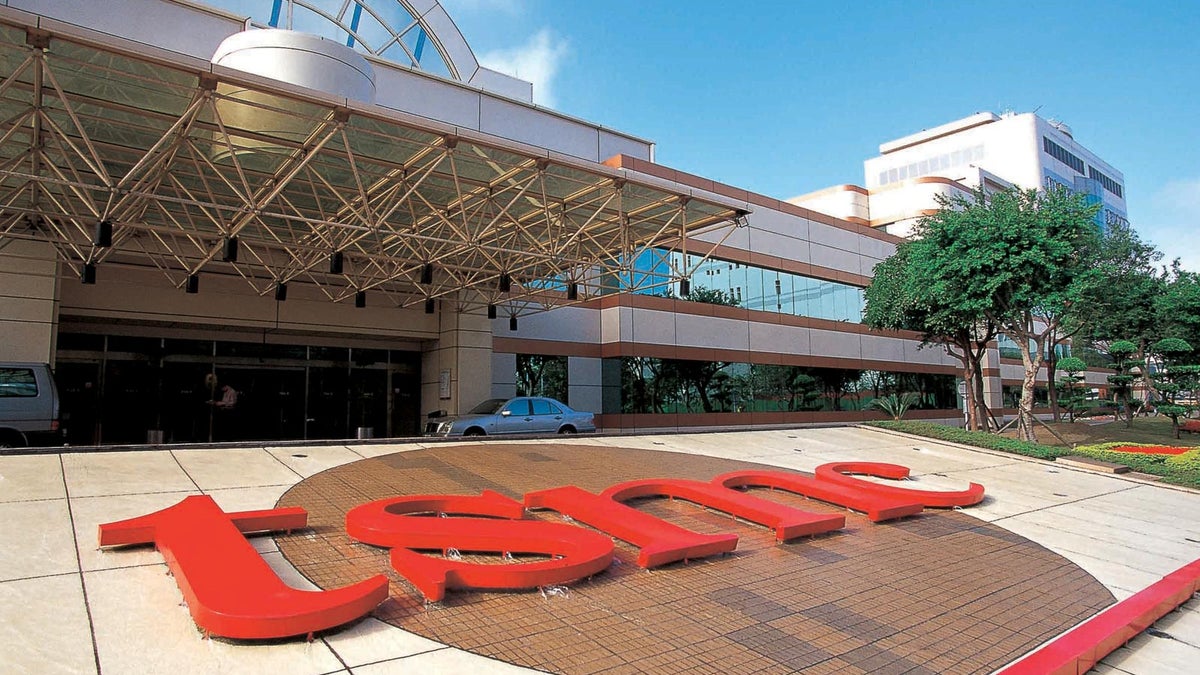
(TSMC) has begun signaling to top customers that it will raise prices on most leading-edge nodes in 2026. Because TSMC fabricates the brains of the world’s best phones – chips for Apple, Samsung, Qualcomm, MediaTek, and more – those higher wafer quotes will ripple directly into the bill of materials and, ultimately, retail prices.
What exactly is changing
Reports indicate TSMC is preparing 8–10% price increases concentrated on sub-5nm processes, the very nodes that power modern flagships. Historically, the company’s annual adjustments hovered closer to 3–5%, so the step-up is notable. These nodes include the 3nm family used for recent premium chipsets – such as Apple’s A-series for iPhone and M-series for Macs – and the infrastructure Qualcomm and MediaTek rely on for Snapdragon and Dimensity lines.
Within 3nm alone, there’s been rapid evolution: the N3E generation underpins current top-end Android and iOS silicon, while the newer N3P is positioned to bring efficiency and frequency gains. Moving beyond that, the first mainstream 2nm designs are expected to anchor 2026–2027 flagships, where transistor densities climb again – and so do costs tied to equipment, masks, and yields.
Why costs are rising at the bleeding edge
Advanced nodes demand extreme ultraviolet (EUV) lithography with more layers, tighter tolerances, and astronomical mask sets. Each step forward multiplies engineering complexity and capital intensity – from ASML scanners to cleanroom expansions – so foundries recoup investments through pricing. Early yields on new nodes also tend to lag, which raises the effective cost per good die until lines mature. In other words, the sticker price of a wafer reflects both physics and finance.
Shockwaves for major chip buyers
We’ve already seen hints of higher input pricing. Industry chatter in the fall pointed to double-digit hikes for some premier mobile chip programs – figures like mid-teens for one vendor and even higher for another – tied to migrations from N3E to N3P. For consumers, that timing maps to 2026 phones such as the Galaxy S26 family and rival flagships that will lean on refreshed 3nm designs. Apple, a bellwether for node adoption, won’t be spared: speculation around the A20 – potentially its first mainstream 2nm iPhone chip – suggests materially higher per-unit costs versus the current generation, though estimates vary widely and later reporting has tempered the most dramatic numbers. The headline remains: 2nm will not be cheaper than 3nm.
What this means for the phones you actually buy
Expect the already-clear segmentation within premium lineups to sharpen. Ultra/Pro Max models – the ones that showcase a brand’s newest node first – are where higher silicon costs are most likely to show up. Brands have a few levers:
- Direct pass-through: raise the sticker price by $50–$100 (or more in some markets) on top models.
- Feature balancing: keep headline prices similar but trim elsewhere (base storage, included accessories, mid-cycle camera parts, or modem choices).
- Staggered silicon: keep Ultra/Pro on the newest node while standard models reuse last year’s chip – already common and likely to intensify.
- Portfolio breadth: expand “Lite/FE/SE” tiers to hit price bands as top-end ASPs drift up.
Because today’s chips are already very fast, more buyers may gravitate to non-Ultra models or last-year’s flagships sold at discounts. That shift could compress demand at the absolute top while boosting volumes in the next rung down.
How much of a phone’s price is the chip?
Silicon is a meaningful slice of a premium phone’s bill of materials, but it’s not the only driver. Displays (especially LTPO panels), camera stacks with large sensors and periscope lenses, memory and storage, chassis materials, modems, and increasingly complex thermal designs all pull weight. On top of hardware, there are distribution costs, currency swings, regional taxes, and the margin manufacturers need to fund R&D. Even so, when the SoC moves up sharply in price, it’s difficult to hide that impact across the stack without trade-offs you can feel.
Winners, losers, and likely strategies
Brands with tight vertical integration – and the bargaining power that comes from massive volume – are better positioned to negotiate wafer pricing or optimize die area. Others may push more aggressive binning (selling slightly lower-frequency variants under different model names) to improve yields. Expect longer model support windows and software features to become bigger parts of the value pitch, especially for buyers holding phones longer.
What savvy buyers can do
- Look at last-gen flagships right after new launches – they often retain top-tier performance at friendlier prices.
- Consider refurbished units from reputable channels with battery health guarantees.
- Watch for regional deals and carrier promos that temporarily offset rising MSRP.
- Evaluate how you actually use your phone: if you don’t game or edit 4K video, you might not need the newest node this year.
The bottom line
TSMC’s 2026 pricing plans underscore a simple reality: cutting-edge chips cost more to build. As the market steps from late-stage 3nm into the 2nm era, expect Ultra/Pro devices to carry a steeper premium while standard flagships lean on proven silicon to hold the line. The performance race isn’t ending – but the smartest upgrade in 2026 might be the phone that fits your needs, not the one that simply boasts the smallest transistors.
2 comments
If the base iPhone keeps last year’s chip I’m fine. Battery life > bragging rights
soooo my next phone is gonna be pricier again… great 😅