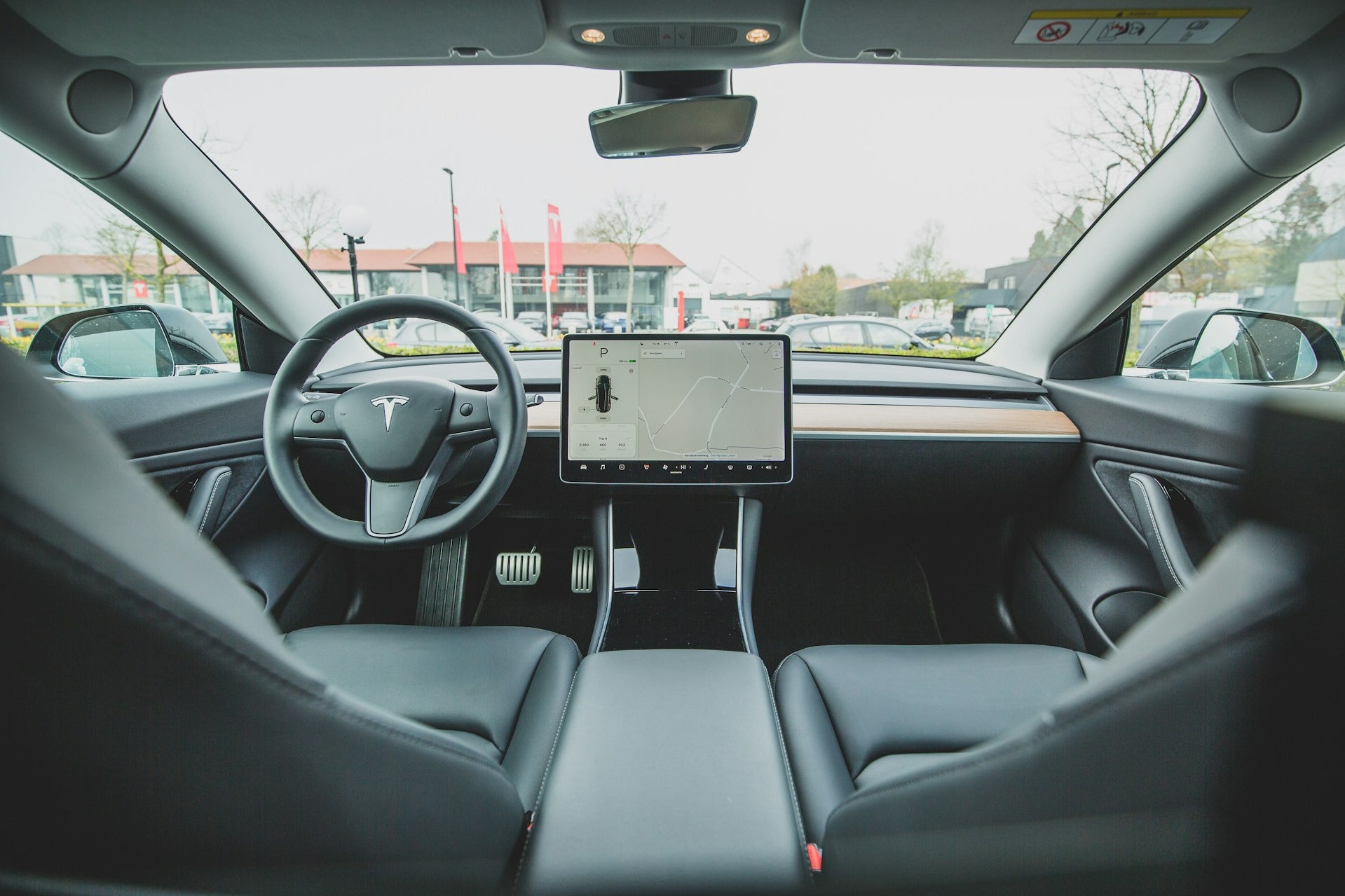
Tesla finally embraces Apple CarPlay – and it changes more than you think
For years, owning both a Tesla and an iPhone has come with a peculiar frustration: two of the most hyped tech products on the planet stubbornly refused to talk to each other properly. While almost every other modern car gladly welcomed Apple CarPlay, Tesla stood apart, insisting that its own software was enough. Now, according to new reports, that long standoff is finally ending. Tesla is preparing to roll out full Apple CarPlay support in the coming months – a quiet software switch with very loud implications for drivers, rivals, and even Apple itself.
This is not a small tweak. CarPlay support has consistently ranked among the most requested features from Tesla owners who live inside Apple’s ecosystem. These are people who already manage their maps, music, podcasts, and messages on their iPhone all day, then step into a car that refuses to mirror that familiar experience on its giant central display. Despite adding Apple Music in 2022 and Apple Podcasts in 2023, Tesla treated full CarPlay as a red line. That line now appears to be moving.
How we got here: Tesla vs. CarPlay
Tesla’s resistance to CarPlay has never been about technical limitations. Elon Musk has long viewed the in-car software experience as a strategic asset – a core part of what makes a Tesla feel different. The company built its own slick, responsive interface, with custom navigation, streaming services, and deep control over vehicle settings, from climate to Autopilot. Handing over a big chunk of that screen to an Apple-branded interface has always been framed as surrendering control.
That logic made sense inside Tesla’s walls, but not always in owners’ driveways. For many drivers, CarPlay isn’t just a pretty interface; it’s muscle memory. Your favorite playlists, your preferred mapping app, your message threads, and your voice assistant are all already tuned to your life. Being forced to juggle a separate system in the car – no matter how polished – creates friction. It’s the tech equivalent of being told you can’t log into your usual account and have to start fresh every time you sit behind the wheel.
Competition finally forces Tesla’s hand
So what changed? In a word: competition. The electric vehicle market Tesla once dominated has become crowded and aggressive. Legacy automakers have sharpened their EV offerings, while Chinese and Korean brands are raising expectations on price, range, and tech. In this environment, any obvious missing feature becomes a liability, especially one as visible as CarPlay.
Buyers walking into dealerships are used to seeing Apple CarPlay and Android Auto logos as standard equipment, even on relatively affordable cars. When they notice that a far more expensive Tesla doesn’t support CarPlay at all, it feels like a bizarre omission. That mismatch doesn’t just annoy existing owners; it can actively push potential customers toward competitors that promise seamless integration with the phone that runs their digital life.
There’s another twist: Apple is no longer building its own car. With Apple’s automotive ambitions shelved, Tesla no longer has to worry about empowering a direct rival every time someone plugs in an iPhone. According to reports, this removal of Apple as a future competitor made it easier – and more practical – for Musk to soften his stance. When you’re trying to hit ambitious delivery targets in a tightening market, refusing to add a feature that customers clearly want becomes much harder to justify.
What Tesla + CarPlay could feel like
For drivers, the payoff is simple but powerful. Full CarPlay support means you sit down in your Tesla, your iPhone connects wirelessly, and the apps you rely on all day appear in a familiar grid on that expansive screen. Apple Maps or other supported navigation apps can handle directions, your messages can be dictated and read via Siri, and your playlists, podcasts, and audiobooks come along without extra setup. It’s the same experience you already know from other CarPlay-equipped cars, just on a bigger, more premium canvas.
This move arrives just as Apple’s next-generation CarPlay is becoming smarter and more capable with the iOS 26 cycle. The new CarPlay experience is designed to look cleaner, adapt better to different screen layouts, and surface more useful information at a glance. Paired with Tesla’s high-resolution display and strong connectivity, that could make the in-car experience feel less like an isolated gadget and more like a natural extension of your phone and your daily routines.
Tesla’s U-turn vs. GM’s gamble
What makes this reversal especially interesting is that it comes as some other automakers move in the opposite direction. General Motors, for example, has announced plans to phase out both Apple CarPlay and Android Auto in many of its upcoming EVs, leaning into Google’s built-in infotainment stack instead. While GM is betting that it can offer a complete, cloud-connected experience without phone projection, Tesla is effectively conceding that, for many people, the phone is still the center of their digital universe.
This sets up a fascinating contrast in philosophy. One camp believes that the car’s native software should do almost everything, with the phone playing a supporting role. The other is increasingly willing to let the phone take the lead and simply provide the best possible screen, speakers, and connectivity around it. Tesla’s apparent embrace of CarPlay suggests the company is now more willing to prioritize what drivers actually use and love over its desire to keep total control of the interface.
A win for drivers – and a signal to the industry
At a practical level, this change will mostly be felt in the reduction of small daily annoyances. No more workarounds to get your favorite mapping app on the screen, no more awkwardly switching between Tesla’s media interface and your phone, no more explaining to passengers why their CarPlay expectations don’t apply in this particular very expensive car. It finally aligns the Tesla driving experience with the reality that people build their digital lives around their smartphone first, everything else second.
Zoom out a bit, and the symbolism is even bigger. Tesla built its brand on doing things differently and often ignoring industry norms. Adding CarPlay doesn’t erase that identity, but it does show a more pragmatic, customer-focused side: when the market speaks loudly enough, even the most stubborn product decisions can change. In an era where drivers expect their car to feel as connected and personal as their phone, this long-awaited integration was never really a luxury feature. It was the missing piece.
Tesla’s U-turn on Apple CarPlay is therefore more than a software update. It’s a reminder that in-car tech should revolve around the person in the driver’s seat, not the ego of the company building the dashboard. For Tesla owners with iPhones, the change will feel like their car finally caught up with the rest of their digital life – and for the wider auto industry, it’s a clear signal that ignoring the ecosystems people already love is becoming harder and harder to defend.
2 comments
GM removing CarPlay while Tesla adds it is the most car-industry clown show I’ve seen in a while 🤡
Article is great but I’ll believe it when the update actually hits my car 🙃