Eye strain from endless hours of staring at glowing smartphone screens is one of the quiet health issues of our era. We rub our eyes, we squint under harsh artificial light, and we often ignore just how much damage constant screen time may be causing. In recent years, companies have tried to solve this problem with bold ideas – most famously through e-ink phones like those made by Hisense. These devices are brilliant for reading digital text because they mimic the comfort of paper, but they stumble when asked to deliver modern smartphone experiences. Refresh rates are painfully slow, colors appear pale and washed out, and using them for apps, videos, or games quickly becomes frustrating. 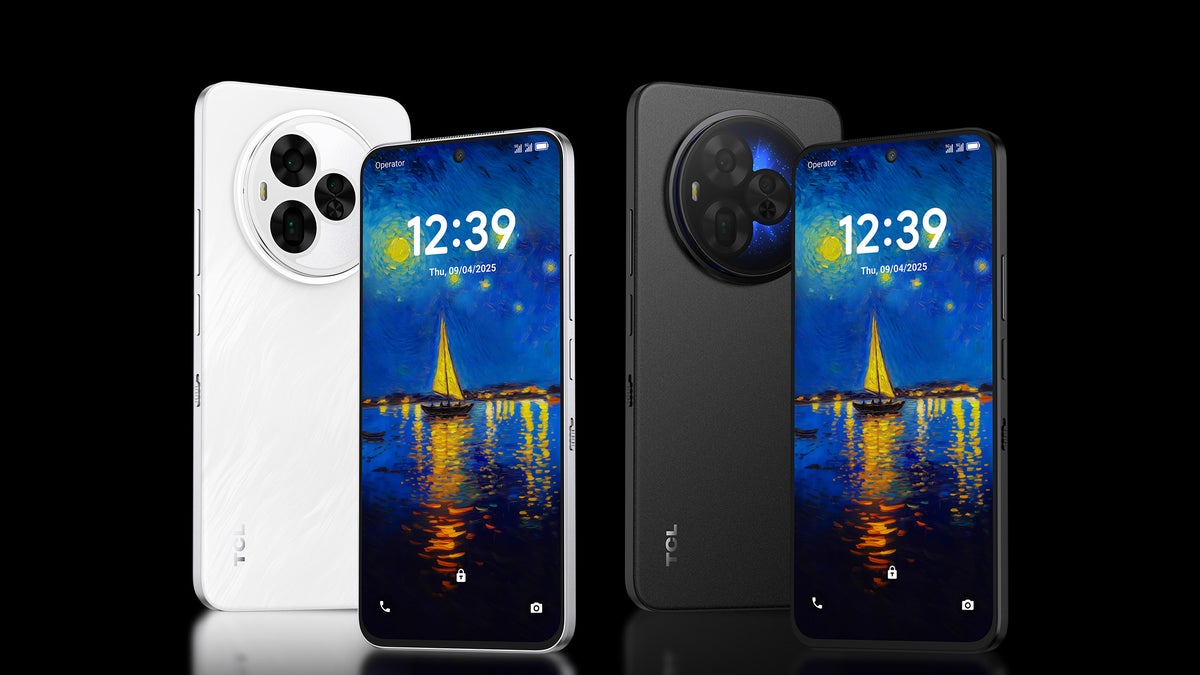
The tradeoff is clear: eye comfort comes at the expense of everything else.
TCL, however, has been steadily working to rewrite that equation. Their Nxtpaper technology is a multi-year project that has seen continuous refinement, and at IFA 2025 the company lifted the curtain on what could be their most ambitious product yet: the TCL Nxtpaper 60 Ultra. This device attempts to merge the relaxing, eye-friendly quality of paper with the performance of a flagship smartphone. And unlike e-ink experiments, TCL’s solution does not demand compromise.
The crown jewel of the Nxtpaper 60 Ultra is its 7.2-inch Nxtpaper 4.0 display. This large panel doesn’t just dazzle with resolution and size – it brings something more subtle yet arguably more important. The display is designed to replicate the tone and warmth of natural light while cutting down reflections, glare, and, importantly, the dreaded screen flicker that contributes to eye fatigue. TCL also built in adaptive color temperature that shifts at night to sync with the body’s circadian rhythm, ensuring that late-night reading or browsing doesn’t sabotage sleep quality. It’s a scientific, human-centric approach to screen design.
On paper, this sounds like the right answer to a problem that has long plagued smartphone users. Rather than compromise with grayscale e-ink or harsh OLEDs, TCL is presenting a fast, colorful, high-refresh display that happens to be engineered for comfort. The fact that the company secured certification for eye protection adds credibility to its claims. If executed well, the Nxtpaper 60 Ultra could mark a turning point in how we think about displays.
Of course, no phone survives on its screen alone, and TCL seems well aware of that. The Nxtpaper 60 Ultra carries a surprisingly strong spec sheet for its price range. Starting at €499 (roughly $582 USD) for the 256GB model and €549 (around $640 USD) for the 512GB edition, the device punches above its weight. Under the hood is a MediaTek Dimensity 7400 processor paired with up to 24GB of RAM, making multitasking and demanding apps a breeze. The camera system deserves special mention too: a 50MP main sensor with optical stabilization is joined by a rare 50MP periscope telephoto lens, something usually reserved for high-end flagships, plus an 8MP ultrawide shooter. The front 32MP camera handles video up to 2K at 30fps, ensuring sharp selfies and calls.
The list of features doesn’t stop there. Stylus support is fully integrated, with optional accessories like the MagFlip case and T-Pen Magic stylus transforming the phone into a productivity tool. TCL also layered in AI features for note summarization, real-time translation, and other tasks aimed at students, professionals, and creatives who want more than just entertainment from their phone.
The practical details round out the package: a 5,200mAh battery with 33W wired charging that fills up in about 90 minutes, Android 15 as the operating system, and IP68 water and dust resistance for durability. The phone is offered in two sleek finishes – Lunar White and Nebula Black – giving it a premium yet understated aesthetic. In sunlight mode, brightness climbs to 850 nits, enough for outdoor visibility even on bright days, and the display refresh rate can hit 120Hz for smooth scrolling and gaming.
Availability is set for Europe, Latin America, and Asia-Pacific markets initially. TCL also used the IFA stage to unveil a €249 Nxtpaper 5G Junior model targeted at younger users. That device combines the same eye-friendly display technology with parental controls, underscoring the company’s emphasis on what it calls its “Technology for Good” mission. The idea is simple: healthier screens should not be limited to premium devices but should extend to children and more affordable segments too.
In the broader landscape of mobile tech, TCL’s Nxtpaper 60 Ultra could stand out as one of the most intriguing releases of 2025. It is rare to see a company challenge the industry’s obsession with higher resolutions and brighter colors by asking a deeper question: how do we design screens that respect human health? With strong hardware, thoughtful extras like stylus support, and a genuinely novel display, TCL may have found a balance no other brand has struck yet. If the real-world experience lives up to the promise, the Nxtpaper 60 Ultra could be remembered as more than just another phone – it might become the device that made healthy viewing mainstream.
2 comments
battery could be bigger but 5200mAh not bad
499€ sounds fair if the screen is really that good