Take-Two Interactive’s 2K label is once again quietly reshaping its first-party lineup, this time by building an entirely new internal studio around two of the most talked-about leaders in recent AAA development: Darrell Gallagher and Brian Horton. The pair previously headed work on the now-canceled Perfect Dark reboot at Xbox’s boutique outfit The Initiative, a project that Microsoft officially pulled the plug on in July 2025 before shutting the studio down altogether. What looked like the end of a troubled experiment for Xbox has quickly turned into a fresh opportunity under a rival publisher.
The story behind their move is almost as interesting as the games they have worked on. 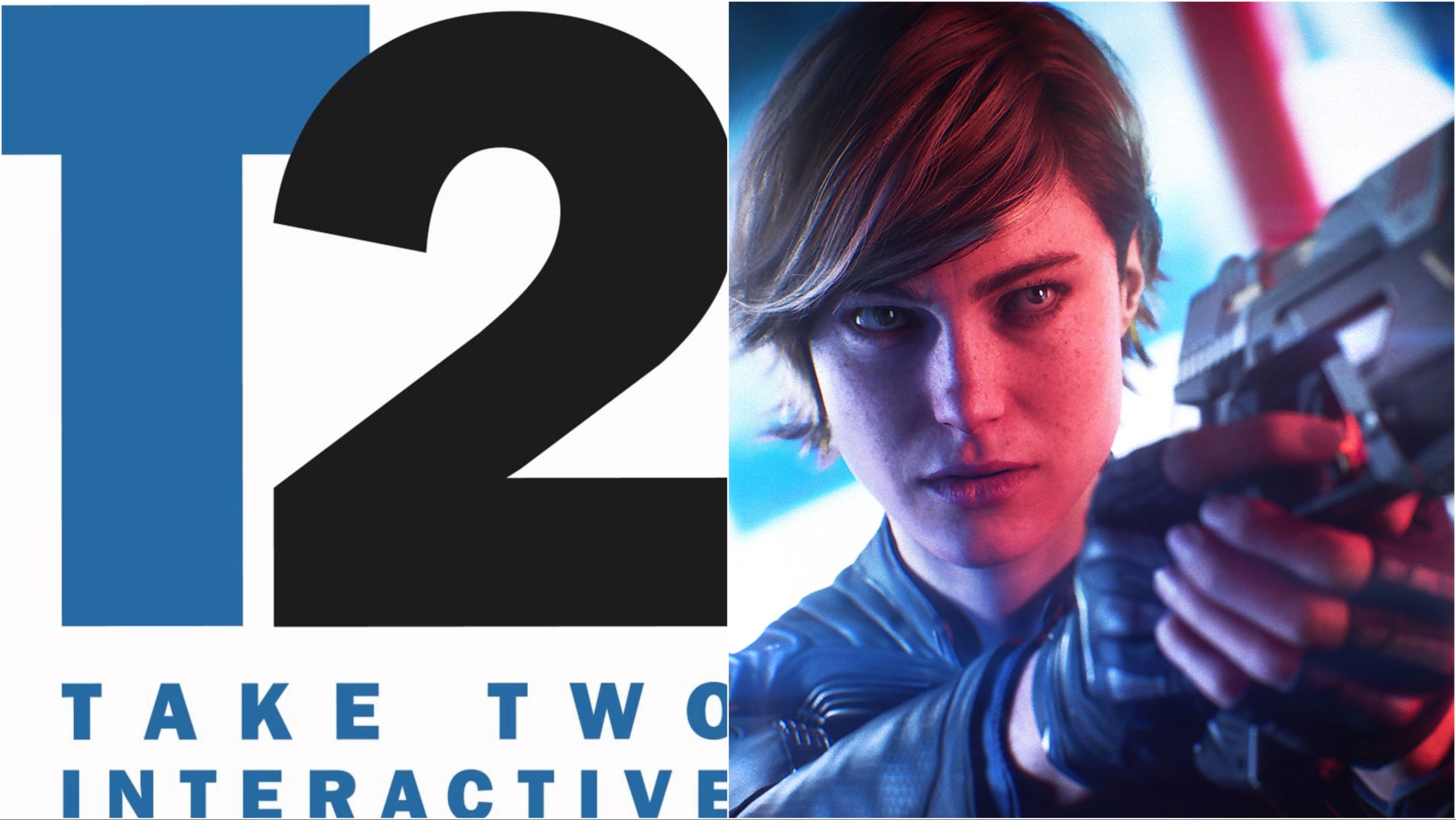
According to earlier reporting, Take-Two had even explored ways to step in and help save the Perfect Dark reboot, which was being built at The Initiative with heavy support from Crystal Dynamics, but the company could not reach an agreement with IP holder Microsoft on the future of the franchise. Rather than walk away, 2K decided to pull the human core out of the collapsing project, essentially transplanting leadership and experience into a brand-new team of its own.
Gallagher arrives with a long history of steering cinematic action games. Before running The Initiative, he served as studio head at Crystal Dynamics, where he oversaw the successful 2013 reboot of Tomb Raider and its 2015 sequel Rise of the Tomb Raider, two titles that helped redefine single-player action adventures for a new generation of consoles. Horton collaborated closely with him on those games before moving to Insomniac, where he contributed to a stacked portfolio that includes Marvel’s Spider-Man, Marvel’s Spider-Man: Miles Morales, Ratchet & Clank: Rift Apart, Marvel’s Spider-Man 2 and the still-in-development Marvel’s Wolverine.
Horton only joined The Initiative in late 2024 as creative director on Perfect Dark, which meant stepping into a project that had already spent years in the oven and was under intense scrutiny from fans and executives alike. By the time Microsoft called time on the reboot in 2025, the most visible result of all that investment was not a finished game but headlines about cancellations, layoffs and another ambitious studio closing its doors. To many players watching from the outside, it felt like an expensive lesson in how fragile even well-funded AAA teams can be.
That context is exactly why the reaction to Take-Two’s latest hire has been so polarized. On one side you have fans openly mocking the decision, joking that this strategy has worked out so well in the past and asking why you would reward the leadership of a project that burned through years and likely hundreds of millions of dollars without shipping anything. Others look eight years into the future and imagine a repeat scenario: more delays, more reboots, another ambitious pitch ending in silence. Skepticism comes naturally when players have been conditioned to expect long development cycles, expensive misfires and abrupt cancellations.
Yet there is a more generous reading of the situation that industry veterans quietly point to. Canceled games are rarely the fault of a single director or studio head, and the chain of decisions around Perfect Dark clearly involved Microsoft, Crystal Dynamics, The Initiative and the realities of rebooting a beloved Xbox classic in an era of rising costs. The fact that Take-Two not only tried to salvage the project but then hired Gallagher and Horton to lead an entirely new 2K studio suggests genuine confidence in their creative instincts and management skills, even if the previous project never reached the finish line.
This is also not a one-off experiment for 2K. A few years ago the publisher pulled a similar move with Michael Condrey, former head of Sledgehammer Games and co-creator of Dead Space at Visceral Games. Under 2K he founded 31st Union, a Silicon Valley–based team that has been quietly building its own original project, the free-to-play roguelike hero third-person shooter Project ETHOS. Early public reception to that game was muted enough that Condrey himself was dismissed earlier this year, yet the studio and the project reportedly remain in development. For better or worse, 2K seems committed to the idea of incubating new studios around high-profile leaders and living with the consequences.
If history is any guide, we should not expect to see gameplay or even a logo from this new Gallagher- and Horton-led studio for several years. Modern AAA development routinely stretches beyond five years when you factor in engine choices, tooling, hiring, prototyping and the inevitable pivots that occur along the way. In 2025, a team that is only now being assembled is unlikely to reveal its first project before the back half of the decade. For players, that means this hiring news is more of a teaser for the next generation of 2K’s portfolio than something that will affect their immediate release calendars.
The more intriguing question is what kind of game this group will ultimately build. Given the resumes involved, a narrative-driven action adventure with a strong cinematic presentation feels like the safest bet, but Take-Two may also be looking for a flexible team that can span single-player epics, live-service experimentation or something in between. After Perfect Dark’s demise, both Gallagher and Horton may be eager to prove they can originate a new IP rather than simply steward existing brands, and 2K could use a prestige franchise that sits comfortably alongside its sports juggernauts and established hits.
For Microsoft and the Xbox ecosystem, the optics are not great. A once-promising reboot of a classic IP has been shelved, a boutique studio has been shut down, and two of its most recognizable leaders have crossed the aisle to help a competing publisher build the future of its portfolio. For Take-Two, though, the move fits a longer pattern: bet big on experienced heads, give them room to build something from scratch, and hope that time, money and a bit of luck turn that bet into the next breakout franchise. Whether this decision looks visionary or disastrous when we flash-forward several years will depend entirely on whether this new 2K studio can deliver the game that Perfect Dark never became.
1 comment
give it 8 years, we’ll get another cinematic cgi trailer and then a ‘development has ceased’ blogpost, seen this movie already lol