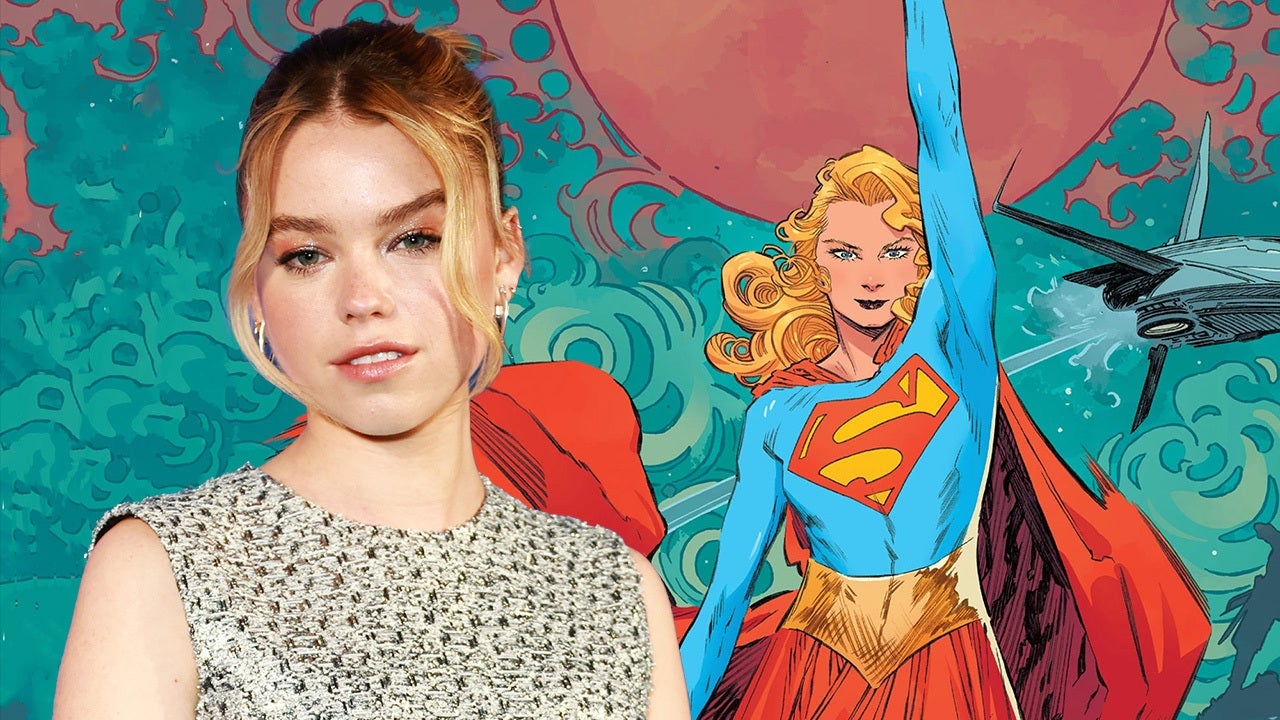
Supergirl: Woman of Tomorrow, Lobo, and the House of El – Why DCU’s Next Chapter Matters
The DC Universe’s next big leap isn’t a detour – it’s the point. Supergirl (opening June 26, 2026) picks up threads deliberately left frayed by Superman (2025), especially that polarizing reframe of Krypton’s most famous family. One of the film’s cast members, David Krumholtz – playing Kara’s father, Zor-El – has hinted that the movie is both a faithful riff on Tom King and Bilquis Evely’s Supergirl: Woman of Tomorrow and a clarifying chapter about the House of El. If Superman asked, “What if the El legacy isn’t as noble as we thought?”, Supergirl promises to answer, “So what does that legacy actually mean?”
First, a quick reset: What Superman changed
James Gunn’s Superman flipped a sacred cow. Instead of saintly visionaries, Jor-El and Lara are framed as architects of a plan for Kal-El to rule Earth. Whether you loved the audacity or hated the sacrilege, the twist made one thing clear: the House of El is complicated. Gunn has pushed back on the idea that this was a mere feint to be walked back later. That means the DCU isn’t returning to the comfort of the old myth; it’s building a new one that can sustain future stories.
Kara Zor-El isn’t Clark with longer hair
Enter Kara (Milly Alcock), who is not the chipper cousin from Saturday mornings. As established on screen, she spent her formative years on a fragment of Krypton under conditions so bleak that she watched people die around her. She didn’t arrive to cornfields and cuddles; she arrived after trauma. That difference matters. Kara’s edges aren’t a bug – they’re the premise.
The film pulls from Woman of Tomorrow, a story that gives Kara agency, bite, and a sense of mission forged by hardship. In that comic, she is a wandering knight more than a campus RA. The movie keeps that spine and then tosses a grenade into the mix: Lobo.
“Woman of Tomorrow” plus Lobo isn’t random – it’s a tone statement
Jason Momoa’s Lobo isn’t just stunt casting; he’s a genre beacon. Pair a scarred Supergirl with an interstellar, rules-optional bounty hunter and you don’t get a solemn court drama – you get a scrappy, unpredictable space fantasy. Gunn has described Supergirl as distinct in vibe from Superman, closer to the freewheeling, found-family chaos of a road trip through the stars. Think: bar fights under red suns, impossible moral choices at the edge of known space, and a heroine who must decide what the El name obligates her to do when there’s no yellow sun to supercharge her way out.
About that birthday and the red sun
The setup is delightfully pulpy: Kara turns 21 and hits the stars with her dog, Krypto. The details matter: Kryptonians can’t get drunk on Earth thanks to the yellow sun’s effect on their physiology, but under a red sun – Kara’s own ancestral wavelength – the rules change. Some viewers nitpicked the cultural math (How long has she been on Earth? What age counts on Krypton?), but the point isn’t Earth’s drinking culture; it’s the storytelling device. Under a red sun, Kara’s armor – physical and emotional – thins. That’s when truth leaks out. The ‘birthday’ framing isn’t about party culture; it’s a marker for agency. She isn’t a ward. She’s choosing who she becomes.
The House of El, clarified – not sanitized
Krumholtz’s tease that this film is the “next piece” in explaining the House of El is crucial. Clarifying isn’t the same as excusing. Expect Supergirl to map out Krypton beyond a two-parent origin vignette: its politics, its moral blind spots, its elites’ survival plans, and where the Els sat within that machine. Kara is the perfect lens because she actually grew up inside that culture. If Kal represented the hope Krypton projected, Kara represents the truth Krypton lived. That tension will define how she wears the crest.
Krypto isn’t comic relief – he’s theme
Yes, Krypto will be adorable. He’s also a storytelling pressure valve and a mirror. In a narrative about inheritance and trust, a loyal companion who recognizes character beyond symbols is more than a mascot. Expect him to puncture Kara’s worst impulses, to soften Lobo’s sharpest angles at surprising moments, and to give the film a heartbeat when the mythology gets heavy.
Lobo as counter-myth
Lobo is the anti-crest. He stands outside houses, legacies, and creeds; he’s a walking shrug at the idea that bloodlines obligate anything except mischief. By colliding Kara with that energy, the film can test what parts of the House of El she rejects, what she salvages, and what she invents. If Superman asked whether destiny can be programmed from a lab in Kandor, Supergirl asks whether destiny can be chosen on a backwater moon with no one watching.
Faithful doesn’t mean frozen
“Very true to the graphic novel” doesn’t mean panel-for-panel reenactment. The book is a lean revenge quest with mythic dust in its teeth. The film has to translate that mood while integrating DCU continuity: the post-Superman House of El debate, the audience’s fresh relationship with Krypton, and the franchise’s broader roadmap. The addition of Lobo is the tell – this will be a faithful vibe piece with new gears.
Connectivity without homework
Will David Corenswet’s Superman pop in? Cameos are the frosting, not the cake. The film’s job is to stand on its own while acknowledging a living universe. The near-term slate underscores that: Clayface stalking the big screen, Lanterns lighting up HBO Max, and a Superman follow-up, Man of Tomorrow, down the line in 2027. DCU isn’t building a spreadsheet of crossovers; it’s building tonal neighborhoods. Supergirl is the boisterous, dust-on-your-cape one.
About the discourse: casting, tone, and that “walkback” theory
Let’s address a few loud talking points making the rounds:
- “No one asked for Supergirl.” Franchise health isn’t a popularity poll; it’s a portfolio. Kara gives DCU a protagonist who can interrogate Kryptonian pride from the inside – and do it while punching space bikers.
- “The plot sounds flimsy.” Woman of Tomorrow is lean by design. That’s not thin; it’s focused. Add Lobo and the House-of-El fallout, and you have propulsion and philosophy.
- “The actress isn’t right.” Casting pushback is routine, but Alcock’s on-screen presence thrives in roles that mix fragility with defiance. That’s Kara’s sweet spot.
- “They’ll walk back the Jor-El/Lara twist.” Don’t hold your breath. The DCU becomes dramatically smaller if every risk is a prank. The smarter play is to let Kara test the premise in the field.
- “The drinking-age logic is weird.” It’s a red-sun character device, not an Earth legal drama. Under a red sun, Kara’s guard drops; the story uses that to pry open who she is without powers.
What to watch for when the credits roll
When the dust settles, the question won’t be whether Kara is “like” Clark. It will be: What does the House of El mean if the person carrying it had to survive – not just arrive? Expect a thesis that contradicts Krypton’s arrogance, honors its best science, and insists on chosen compassion. If Superman was the spark, Supergirl is the wildfire – messy, luminous, and impossible to ignore.
And if you’re curious about homework before 2026: read Woman of Tomorrow, brace for Momoa’s Lobo to steal scenes he’s not supposed to, and keep an eye on how the DCU quietly positions Lanterns and Clayface to contrast Kara’s road-movie energy. The House of El is about to get an audit – from its most dangerous auditor yet.
2 comments
Plot sounds thin? The comic is lean on purpose. Add Lobo chaos and boom – momentum
Still don’t like the Jor-El change, feels edgy for no reason. Hope they justify it, not undo it