For years, the dream of a truly living room friendly gaming PC has chased the mainstream console. Valve is taking another swing at that idea with the Steam Machine, a compact box that promises PC style openness in a console style shell. 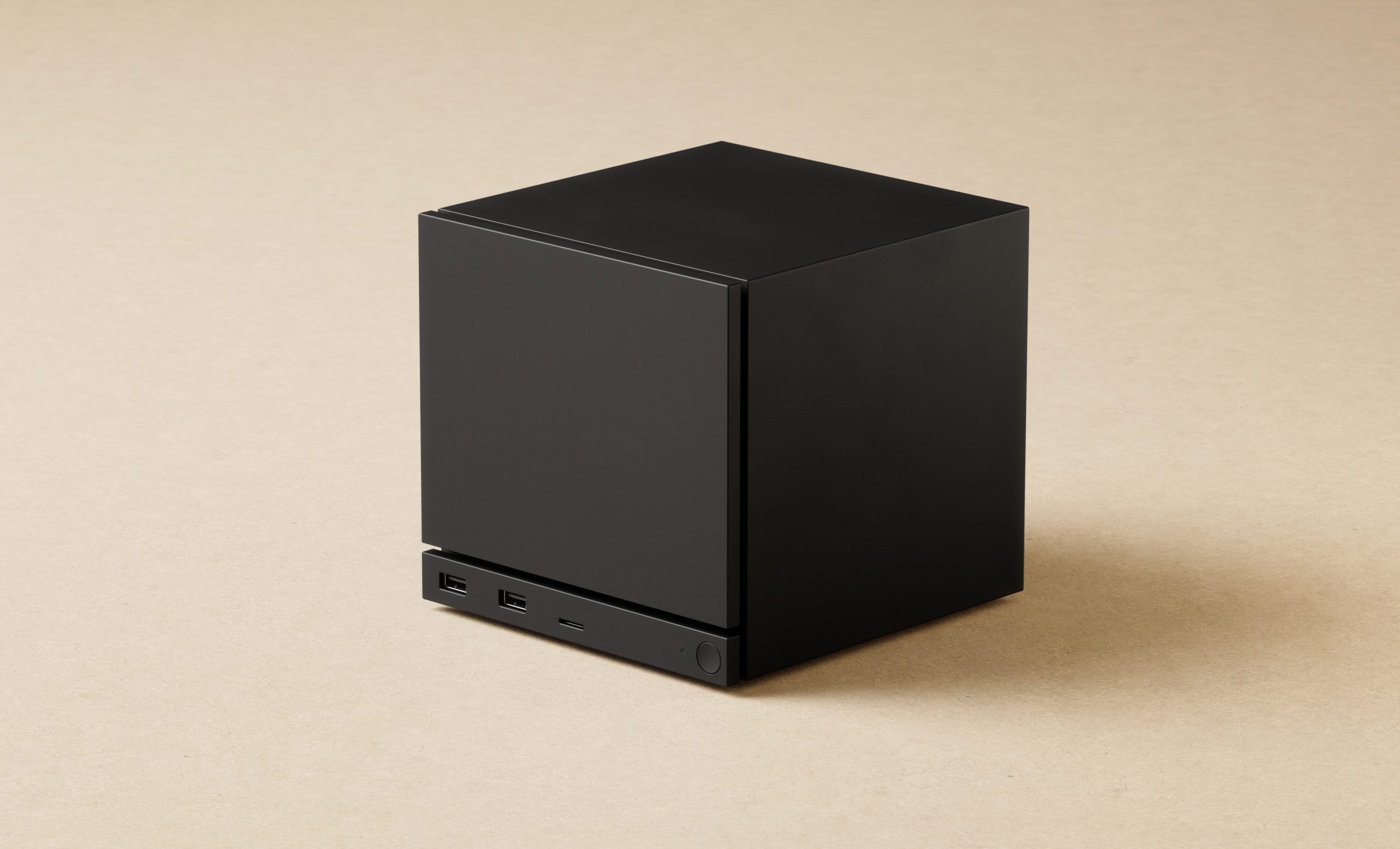
The big question, as always, is price. Will it feel like a console, or like yet another expensive prebuilt that only hardcore enthusiasts consider?
A recent breakdown by LinusTechTips offers one of the clearest looks yet at what sort of bill of materials Valve may be working with. Linus and his team assembled a gaming rig designed to roughly mirror the specs expected from the Steam Machine, aiming at 4K gaming at 60 frames per second by leaning hard on AMD FSR upscaling rather than brute force raw power. Built from off the shelf parts, with a few nice to have extras that do not really affect performance, the parts list came to around 602 dollars when priced at their historical minimums.
That 602 figure is important because it represents a kind of fantasy world where every component is on sale at once. In the real market, things look harsher. Memory shortages have already pushed major system integrators like CyberPowerPC to raise prices on their gaming PCs, and those same pressures hit any DIY build. Repricing the same configuration at current market levels pushed the cost to roughly 900 dollars. Trimming the fat and swapping to cheaper but equivalent parts only dropped that estimate to about 813 dollars.
Valve, of course, is not a random shopper wandering into an online retailer. By selling directly to consumers and controlling the entire product, Valve can cut out both the usual brand markup of a boutique builder and the retailer margin. That gives the company room to undercut typical prebuilt gaming PCs while still protecting its own profit. Even so, with the hardware stack involved, it is difficult to imagine a final retail tag below the 600 to 650 dollar bracket.
Linus ultimately lands on a plausible headline number: 699.99 dollars. It sits above the current estimated cost of the parts, leaves some margin for manufacturing, logistics and support, and creates a psychological anchor that feels premium but not unattainable. At that level, the Steam Machine clearly would not be priced like a traditional console, but it would also avoid drifting into the world of 1000 dollar gaming towers that scare away anyone but enthusiasts.
Performance expectations play a big role in how that price might be perceived. By betting on AMD FSR to upscale to 4K while rendering internally at a lower resolution, Valve can target smooth 60 FPS gameplay without stuffing a power hungry flagship GPU into a compact box. That keeps costs, heat output and noise lower, all key factors for a device that is supposed to sit quietly under a TV. If the visual quality holds up in real world games, many players may decide that this smarter engineering approach is worth more than raw specs on a comparison chart.
Still, some PC gamers are asking a simple and uncomfortable question: why pick a Steam Machine over another prebuilt PC. There are already plenty of compact systems and small form factor rigs on the market, often with similar parts. The answer likely lies in the overall experience. A Valve designed box can be tuned around Steam from the BIOS up, offer a console like setup flow, a consistent input and UI story and firmware level support that random OEM machines rarely match. For people who do not want to learn the quirks of PC building or troubleshooting, a system that boots straight into games with minimal friction has real value.
There is also a historical wrinkle. Valve has tried something like this before, and early Steam Machine style efforts ran into supply problems. Enthusiasts watching this new push are understandably nervous that component shortages or demand spikes could once again put the hardware out of reach, or allow scalpers to jack up prices. If Valve really wants to sit in that sweet spot around 700 dollars for several years, it will need strong supply chain planning and the flexibility to swap in refreshed parts as the market evolves.
One thing Valve has been clear about is that it does not plan to subsidize the hardware in the way Sony and Microsoft have often done with PlayStation and Xbox launches. Traditional console makers have been willing to sell boxes at a loss, recouping the difference through years of game sales and a roughly 30 percent store cut on every digital purchase. Valve also takes a similar cut on Steam sales, but has indicated that it wants the Steam Machine itself to stand on its own as a sustainable product, not as a loss leader. That stance makes the 699 dollar estimate feel even more believable.
In the end, predicting the exact launch price of the Steam Machine remains a guessing game until Valve makes it official. Market conditions can change, memory prices can swing and design tweaks can push costs up or down. What seems clear, though, is the strategic position. Valve appears to be targeting a box that is more expensive than a console, cheaper than many comparable prebuilts and competitive with building a similar PC yourself. If it can hit that balance while delivering a smooth, console like user experience, the Steam Machine might carve out a comfortable niche in the no man land between the couch and the desktop.