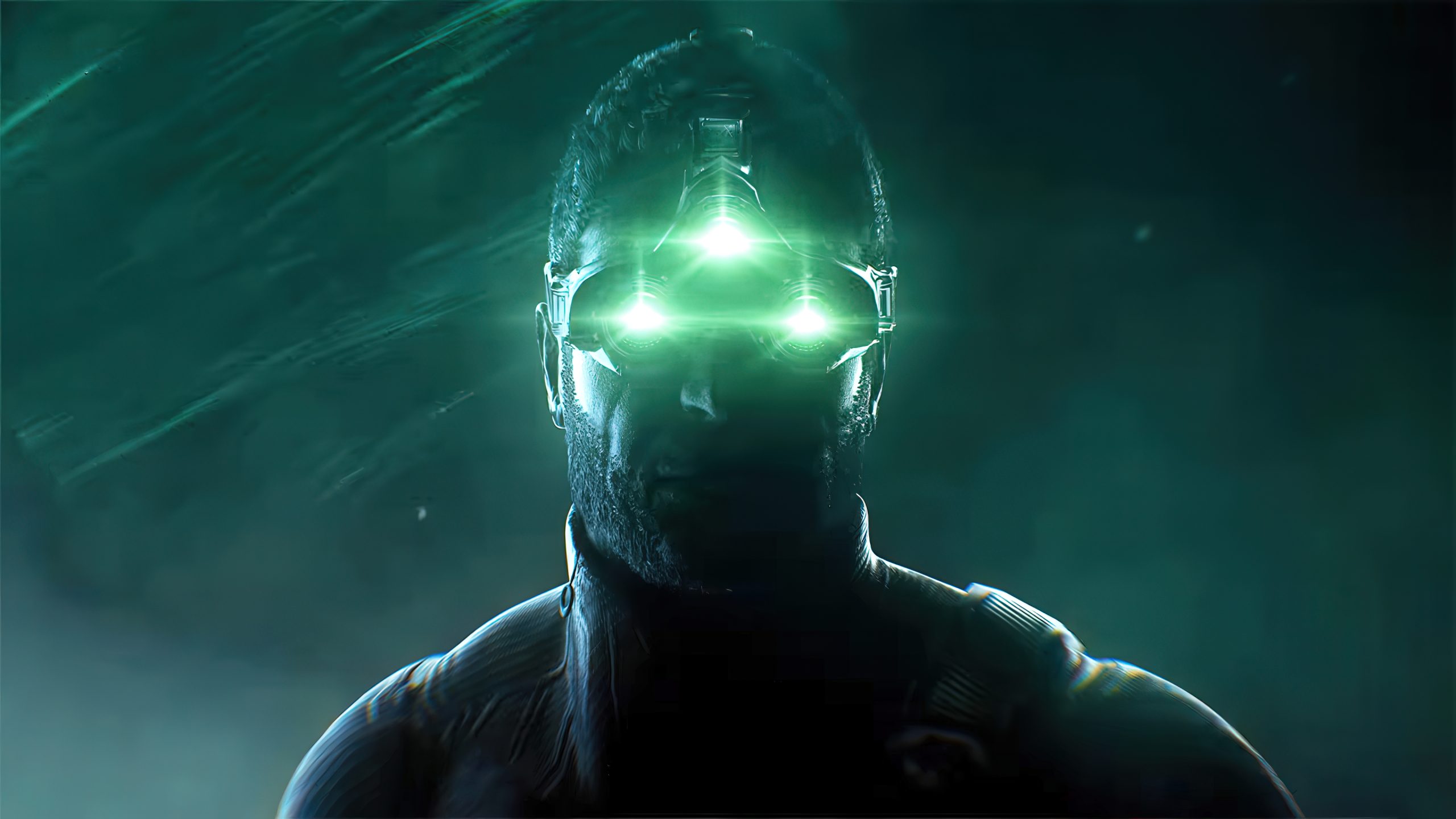
Sam Fisher’s Comeback Story Just Got A New (Old) Director
Four years after Ubisoft finally admitted it was rebuilding the original Splinter Cell from the ground up, the project is once again back in the hands of the man who first steered it. Game director David Grivel has officially returned to lead the Splinter Cell Remake, closing a strange three-year loop of departures, new jobs, collapsed studios, and consulting gigs that had fans quietly wondering whether Sam Fisher’s long-awaited comeback was stuck in development limbo.
For anyone who hasn’t been following the credits screen, Grivel isn’t some random hire parachuted in late. Before taking the director’s chair on the remake, he was already deeply embedded in the modern stealth and action space. He worked as a game designer on Crysis 2, then moved to Ubisoft to help shape Tom Clancy’s Ghost Recon: Future Soldier and, crucially, Splinter Cell: Blacklist. From there he jumped into blockbuster territory with Assassin’s Creed Unity and later into the Far Cry universe, contributing to Far Cry Primal and Far Cry 6. In other words, this is someone who knows Ubisoft’s sandbox of systems, stealth, and explosions inside out.
That’s why his original appointment as game director for the Splinter Cell Remake felt like such a natural fit – and why his exit in late 2022 set off alarm bells. Grivel left Ubisoft to join DICE as Senior Design Director on Battlefield 6, trading night-vision goggles for military chaos and collapsing skyscrapers. Not long after, he briefly resurfaced at Ubisoft Toronto in May 2024 to work as game director on an unannounced concept-phase project before leaving again later that same year to join Worlds Untold, the NetEase-funded studio led by Mass Effect veteran Mac Walters. When NetEase pulled support and Worlds Untold paused operations, it looked like one more casualty in a brutal year for mid-sized AAA teams.
In the middle of all that, Grivel kept his design skills sharp as a remote consultant on NEO BERLIN 2087, an upcoming cyberpunk action RPG. But the real twist came this autumn, when he quietly updated LinkedIn and then publicly confirmed he was rejoining Ubisoft Toronto as game director on the Splinter Cell Remake. For the first time in a while, the project has a familiar face at the top – the same one who originally pitched how to translate classic Fisher stealth into modern tech and expectations.
That doesn’t mean the fanbase has stopped side-eyeing the whole situation. When a director leaves for three years, jumps through multiple studios, and still ends up being put back in charge of the same game, it’s hard not to wonder what’s going on behind the curtain. Some players read it as a sign the remake has struggled to find a clear vision without him, others as a last-minute attempt to get things back on track before a rumored 2026 launch window. Either way, the message is clear: Ubisoft wants this version of Splinter Cell to feel like the genuine article, not just another nostalgia-driven remaster.
From what’s trickled out so far, the team is still targeting that 2026 timeframe, with internal sources repeatedly pointing to the Snowdrop engine – the tech behind The Division, Avatar: Frontiers of Pandora, and Star Wars Outlaws – as the foundation for Fisher’s return. Snowdrop is built to handle dense, dynamic environments and complex lighting, exactly the sort of tech you want when your entire fantasy revolves around shadows, silhouettes, and the tension of a single enemy flashlight sweeping too close to your position. If Splinter Cell can’t make light and darkness feel dangerous again, it might as well not come back at all.
We also know the remake isn’t just slapping high-resolution textures on a 2002 stealth classic. A previous job listing openly talked about “rewriting and updating” the original story for a modern audience. That’s a tricky balancing act. The first Splinter Cell was very much a post-9/11 techno-thriller, obsessed with covert ops, data theft, and early-internet espionage. Updating that premise to a world shaped by mass surveillance, AI-driven targeting, ubiquitous smartphones, and real-time social media outrage could actually make the remake feel more relevant than ever – if the writing leans into those themes instead of flattening them into generic spy drama.
The other design question hanging over the project is structure. Fans still argue about what Splinter Cell should look like in 2026: tightly scripted stealth sandboxes like the original trilogy, or more open, systemic levels closer to Blacklist and modern immersive sims. Early whispers suggest Ubisoft wants to keep the overall experience linear while deepening the toolkit inside each mission: more reactive AI, richer lighting, and multiple ways to solve infiltration problems without turning the game into a sprawling open world. If that balance is hit, it could let new players enjoy something sharper and more focused than today’s map-cluttered mega-games, while still feeling flexible enough for veteran ghost-run perfectionists.
All of this is unfolding against a broader stealth-remake wave. Metal Gear Solid 3 is already showing how a classic can be rebuilt with modern controls and visuals without losing its soul, and Ubisoft is lining up a nostalgia trifecta of its own. Prince of Persia: The Sands of Time is finally edging toward release after years of delays, and an Assassin’s Creed IV: Black Flag remake is also said to be sailing toward 2026. Slot a polished Splinter Cell alongside those, and Ubisoft’s calendar starts to look like a curated museum tour of its early-2000s greatest hits.
The risk, of course, is that Splinter Cell ends up feeling like the problem child of that lineup. Long stretches of silence, leadership shuffles, and the absence of meaningful gameplay footage have made some fans joke that the project must be in serious trouble. Grivel’s return cuts both ways: it’s either proof the remake needed rescuing, or a sign that Ubisoft is finally serious about finishing what it started and is putting the original vision holder back at the wheel to do it.
For now, all we can say with confidence is that Sam Fisher’s comeback is still alive, still lurking in the dark, and back under the direction of someone who helped define his last great outing. If Snowdrop’s technology delivers, the rewritten story has something intelligent to say about modern surveillance, and Ubisoft gives the team enough time to polish rather than chase trends, the Splinter Cell Remake could be more than a safe nostalgia play. It could remind everyone why the image of three glowing green lenses cutting through the dark became iconic in the first place.
3 comments
All I want is to shoot out the lights, hear that night vision *bzzzzzt* and drag dudes into the dark. Not asking for much, just perfection 😅
Ubisoft really out here stretching one stealth game remake across an entire console generation, that’s some next-level slow cooking lol
ngl if a guy leaves for like 3 yrs and then comes back to the same project, this thing has gotta be messy af 😂