DDR5 memory was supposed to be the smooth next step for PC builders. Instead, a sudden spike in DRAM prices has turned it into the main villain of this upgrade cycle, freezing plans for new rigs and quietly ripping through the rest of the desktop hardware market. 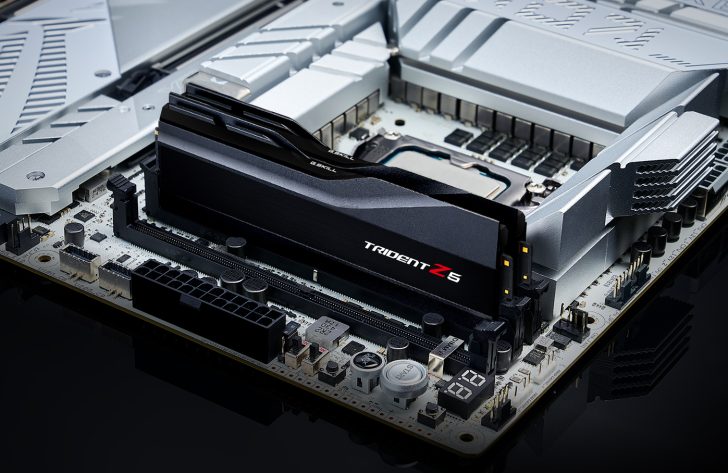
Motherboard makers are now reporting that their sales have been cut almost in half, and the shockwave is already reaching CPUs, SSDs, and everything that usually rides along with a fresh platform build.
Channel sources say that major motherboard vendors such as ASUS, MSI, and GIGABYTE are seeing a staggering 40–50% drop in shipments compared with the same period last year. Normally this season is boosted by promotions and festive discounts, but this time the timing could not be worse. Since October, DDR5 kits and modules have climbed to two, three, or even four times their earlier street prices, turning what used to be a sensible upgrade into a luxury purchase.
The problem is structural, not just seasonal. Both AMD and Intel have now pushed their mainstream desktop platforms firmly onto DDR5. AM5 on the red team and Intel’s latest LGA1851 socket on the blue side are effectively DDR5-only ecosystems. Just a few months ago that looked safe: DDR5 prices had stabilized, and many users finally felt comfortable moving over from mature DDR4 systems. Now those who already invested in a new board and entry-level memory are stuck waiting for prices to calm down before they can bump capacity or speed, while everyone still on older platforms is hesitating to cross the DDR5 paywall at all.
That hesitation is toxic for the whole PC stack. When a motherboard does not sell, neither does the CPU that sits in it, nor the NVMe drive, nor the cooler, case, or power supply that would have gone into the same basket. People rarely replace a motherboard and keep the same RAM and processor; a board upgrade usually means a near-complete rebuild. With memory suddenly consuming such a large share of the budget, many buyers simply slam the brakes and decide to live with their aging rigs a bit longer rather than pay what feels like cartel-level pricing.
This is where frustration turns into anger. Enthusiasts, prosumers, and even IT departments watching their budgets say they are tired of what looks like an artificially tight DRAM market engineered to fatten margins. If only gamers boycott new hardware, nothing really changes; but when studios, freelancers, and office fleets collectively stop refreshing machines, the signal to suppliers becomes impossible to ignore. For now, though, most users are not staging an organized protest – they are quietly walking away from the checkout page.
Motherboard brands are caught in the middle. They cannot control DRAM pricing, yet they have built product stacks that depend entirely on it. Some vendors have started to push aggressive bundles that include a board plus a DDR5 kit at a slight discount, hoping to soften the sticker shock and keep inventory moving. That helps new system builders a little, but it does nothing for customers who already spent money on a DDR5 motherboard earlier this year and only wanted to add more memory. For them, every chart-topping X670E or Z-series board now feels like a sunk cost they cannot fully exploit.
There is also growing pressure on board makers to trim their own margins. After several years of steadily rising motherboard MSRPs – justified by features such as stronger VRMs, PCIe 5.0, and lavish I/O – some buyers argue that vendors should absorb part of the memory shock instead of passing every penny onto the end user. Whether brands will actually sacrifice profitability to rescue volume is another question entirely, but the conversation is already happening in enthusiast communities and small system integrators.
What happens next depends largely on how long DRAM prices stay this high. If the spike proves short-lived, we may simply see a delayed but eventual wave of upgrades as prices return to a palatable level. If, however, the current pricing sticks around, the PC market could settle into a prolonged slowdown where people hold onto DDR4-era systems for far longer than silicon roadmaps anticipated. In that scenario, it is not just motherboard and CPU vendors that suffer, but the broader ecosystem of component makers that depend on a healthy, regularly refreshing desktop base.
For now, one thing is clear: soaring RAM prices have broken the usual rhythm of the DIY PC world. Until memory becomes reasonably priced again, motherboard sales will remain depressed, CPU numbers will look weak, and many would-be builders will keep doing what they are doing today – waiting, watching, and hoping that the next big upgrade no longer costs as much as a small laptop.