The long-simmering debate over x86 versus ARM might be about to heat up again, thanks to Qualcomm’s newest heavyweight chip. 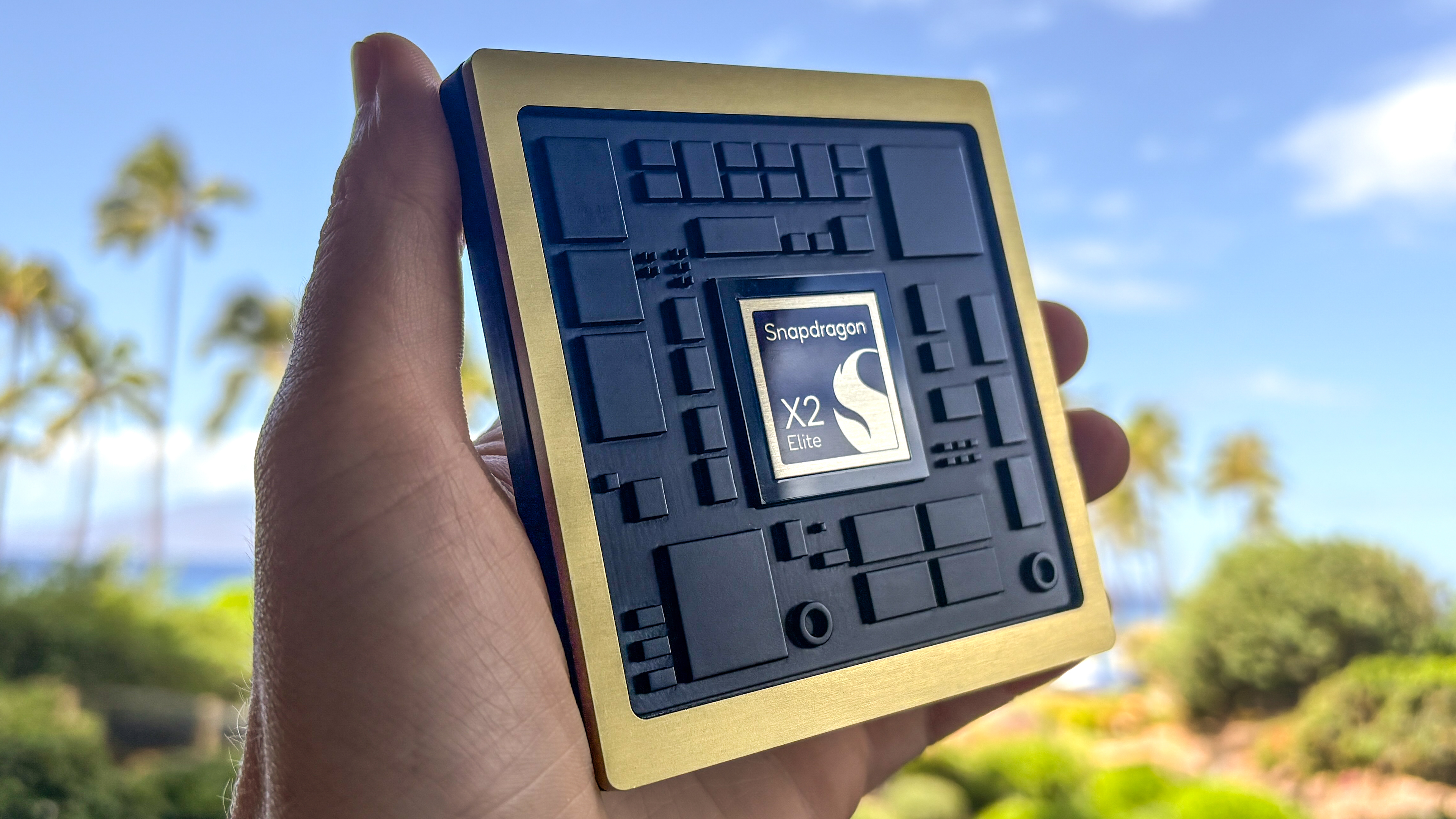
Early benchmark results for the Snapdragon X2 Elite Extreme suggest that this processor isn’t just keeping pace with the latest Intel and AMD competitors – it’s overtaking them in both single-core and multi-core performance, at least in controlled test conditions.
According to Geekbench 6.5 data, the Snapdragon X2 Elite Extreme manages to edge out AMD’s Ryzen AI 9 HX 370 and Intel’s Core Ultra 7 258V, while also showing major gains over Qualcomm’s own previous flagship, the Snapdragon X Elite. Even when accounting for some of the results being run on Geekbench 6.1, the overall performance trajectory is clear: ARM-based silicon is no longer playing catch-up, it’s sprinting ahead.
The Cinebench 2024 results reinforce this point, showing the Snapdragon X2 Elite Extreme delivering substantial improvements over both its predecessor and rival x86 chips. The architecture powering this performance is an 18-core design: 12 high-speed Prime cores clocked at 4.4GHz (boosting up to 5.0GHz when thermals allow) paired with six Performance cores at 3.6GHz. Qualcomm’s decision to split core types is similar to Intel’s hybrid approach, but here it’s executed with a stronger balance of efficiency and raw throughput.
Qualcomm introduced three new chips in the X2 family: the Elite Extreme (96), the Elite (88), and the Elite (80). All share the same 80 TOPS neural processing unit (NPU), but differ in their CPU, GPU, and cache setups. However, only the top-tier Extreme variant was tested publicly during Qualcomm’s launch event, under carefully managed conditions. While journalists could watch the benchmarks, the company was clear that these were not independent hands-on tests. Still, the early numbers provide a tantalizing glimpse of what might be coming to market.
One important caveat: the tests were run on devices plugged into wall power, though Qualcomm insists performance remains consistent even on battery. Each test laptop was fitted with a hefty 48GB of DDR5X RAM. The Extreme supports both soldered and slot-based memory, with bandwidth of 228GB/s on a wide 192-bit bus – higher than the 128-bit interface (152GB/s) on the lesser X2 models. While soldered RAM can deliver speed advantages, upgradeable slots appeal to power users who value flexibility.
Graphics performance is another area where the Snapdragon X2 Elite Extreme is making bold claims. With its Adreno X2-90 GPU running at up to 1.85GHz, Qualcomm reported a commanding lead in 3DMark Steel Nomad Light – roughly 80% ahead of Intel’s Arc 140V and AMD’s Radeon 890M integrated GPUs. Compared to its own predecessor, the uplift is dramatic: a 2.6x jump in GPU performance that could significantly change the conversation around ARM-powered laptops as gaming and creative workstations.
AI acceleration is equally crucial in 2025, with every tech company racing to integrate smarter features. The new 80 TOPS NPU is nearly triple the power of the Snapdragon X Elite’s 45 TOPS unit. Qualcomm claims that real-world AI performance exceeds even the raw numbers, leaving Intel’s current AI acceleration far behind. With AI-heavy workflows – from video editing to generative applications – becoming mainstream, this level of processing muscle is more than marketing fluff; it’s fast becoming a requirement.
Despite the impressive figures, questions remain. These are, after all, Qualcomm-run tests, and some critics point out that comparisons against AMD’s Ryzen AI Max+ 395 or similar top-end silicon were conspicuously absent. Likewise, while ARM chips have grown formidable in raw performance, software compatibility on Windows 11 ARM remains a concern for potential buyers. After all, the fastest chip means little if key apps don’t run smoothly.
Still, the trajectory is impossible to ignore. If Qualcomm can deliver on battery efficiency, ecosystem support, and pricing, the Snapdragon X2 Elite Extreme could represent a genuine turning point for ARM-based laptops. The first consumer devices with these chips are expected to ship in spring 2026, and by then we should have independent benchmarks of the full lineup. Until then, the performance bar has been raised – and Intel and AMD will have to respond.
3 comments
the memory config is weird… 48GB soldered? i’d rather have slots and just upgrade myself
ok performance is great, but is my steam library gonna even run?? that’s the only question lol
GPU uplift looks insane, 2.6x over last gen, but drivers are gonna be the real test here