The price of smartphones is set to rise even further in the coming months, and there’s a significant reason behind it. TSMC (Taiwan Semiconductor Manufacturing Company), the world leader in chip production, has already raised its prices for the production of chips this year. But that’s not all – next year, it’s expected that TSMC will raise costs once again, potentially by another 5 to 10 percent. This is all in response to a combination of U.S. 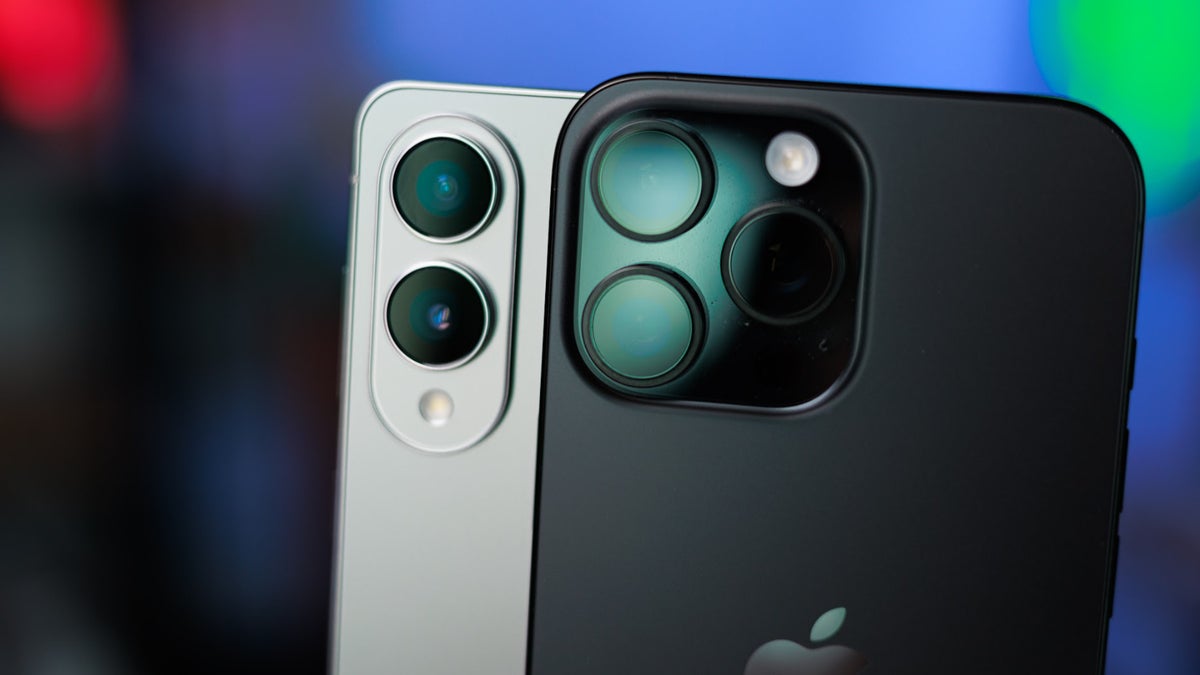
tariffs, market fluctuations, and various external pressures. Unfortunately for consumers, this means that we’ll be seeing more expensive smartphones in the near future.
TSMC’s chip manufacturing is integral to the production of high-end smartphones, particularly those made by tech giants like Apple and Samsung. The iPhone 17, set to launch in a few days, will be powered by the A19 chips, which are manufactured by TSMC. Similarly, the upcoming Samsung Galaxy S26 series is expected to feature the Snapdragon 8 Elite Gen 2 or the Snapdragon 8 Elite Gen 5 processors – also produced by TSMC. Both Apple and Samsung rely heavily on TSMC’s state-of-the-art foundries, and there’s no indication that they plan to stop working with the Taiwan-based manufacturer anytime soon.
While this new round of price increases won’t directly affect the iPhone 17 series or the Galaxy S26 line, these phones have already felt the effects of TSMC’s previous 10 percent price hike earlier this year. That bump in chip production costs has already been passed down the supply chain, and consumers are seeing the results in the form of higher phone prices. For the iPhone 17, especially the iPhone 17 Pro and Pro Max models, a price hike is expected – rumors suggest a $50 increase, which, though modest, still adds up when you consider the price of a flagship device.
Of course, the reasons behind these price hikes are often debated. Some people are quick to blame former U.S. President Trump’s tariffs, others point fingers at geopolitical tensions, and some simply call it corporate greed. However, it’s a more complex situation than it might first appear. TSMC needs to balance its prices carefully to ensure that it retains its customers, especially major ones like Apple and Samsung. A price hike that’s too steep could push these companies to look for alternatives, so TSMC is walking a fine line in its pricing strategy.
This delicate pricing strategy is also why Samsung is looking to bring its in-house Exynos processors back into the fold. For years, Samsung has relied on Qualcomm chips for its Galaxy series phones, but the company wants to reduce its dependence on Qualcomm and TSMC, aiming for more control over its supply chain. Unfortunately for Samsung, its Exynos 2600 chips, which are expected to be built on a 2 nm process, are unlikely to be ready in time for the Galaxy S26 series. But there’s always next year, and Samsung is hopeful that it can reduce its reliance on external suppliers in the near future.
At the end of the day, the rising costs of smartphone production – driven by factors like TSMC’s price hikes – are part of a larger trend in the tech industry. While it might seem like consumers are always the ones footing the bill, companies like Apple and Samsung are working hard to ensure that their products remain competitive in an increasingly complex global market. With new tech and upgrades constantly on the horizon, we can only hope that these price hikes won’t slow down innovation too much. As we gear up for the launch of the iPhone 17 and Samsung’s Galaxy S26 series, one thing is certain: consumers will feel the pinch of rising costs in the months to come.
2 comments
TSMC is just following market trends, but still… these hikes add up over time
I get that there are external factors, but it feels like Apple and Samsung just want to squeeze every last penny out of us