Samsung has announced it will stop using Microsoft’s OneDrive for backups starting on April 11, 2026. This decision marks a significant shift in the company’s approach to cloud storage. Samsung had previously relied on OneDrive for cloud backups within the Samsung Gallery app, but now it will switch to its own service, Samsung Cloud. 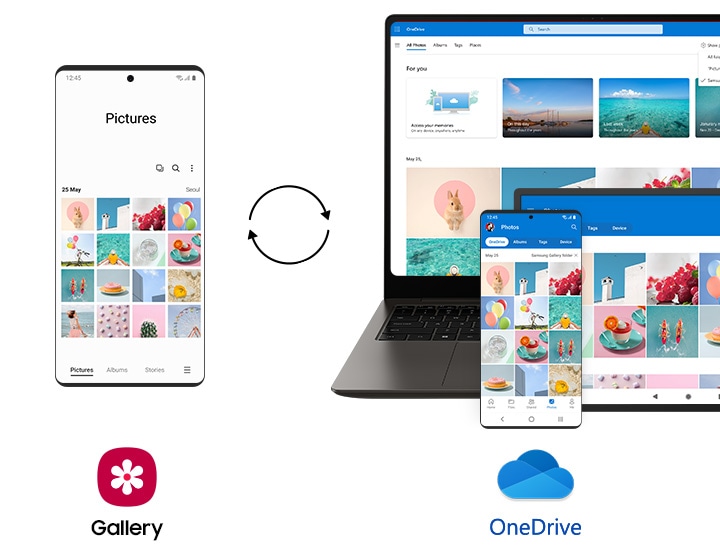
This move follows a growing trend of tech companies seeking to manage their services in-house for better integration and control.
Samsung Cloud offers users 15GB of free storage with each Samsung account, which can be used to back up a wide range of data. This includes photos, videos, Samsung Notes, Memo, Scrapbook, and voice recordings. In addition, music and documents can be backed up and restored. Unlike Google Drive, which also provides cloud storage, Samsung Cloud gives users unlimited storage for basic native applications such as Contacts and Calendar. This is a great feature for those looking to ensure their essential data is securely stored.
While this move away from OneDrive may seem like a step backward for some users who are accustomed to syncing their data with Microsoft’s cloud service, it actually gives Samsung the opportunity to offer a more integrated and personalized experience for its customers. The migration from OneDrive to Samsung Cloud could initially raise some questions, especially for those with large amounts of media already stored on OneDrive. Samsung has yet to provide detailed information on the migration process, leaving users wondering what will happen to their current backups and whether they’ll need to manually move everything to Samsung’s cloud. It’s clear that Samsung wants to regain control over its ecosystem, but the success of this transition will depend largely on how well they handle data migration.
Samsung’s decision to revert to its own service is likely driven by a desire to increase user reliance on its products. With more people using Samsung devices, the company sees an opportunity to build a stronger cloud service that works seamlessly with its smartphones and other devices. For users, it could mean better integration with Samsung’s ecosystem, but it also raises the question of whether Samsung Cloud will be able to compete with other established services like OneDrive or Google Drive. In any case, Samsung’s shift to Samsung Cloud is set to be one of the most significant changes for users in the coming years, and it will be interesting to see how they manage the transition.
1 comment
I kinda feel like Samsung switching to their own cloud makes sense, but now I’m wondering how smooth the transfer process will be. I’ve got so many files in OneDrive that I don’t wanna lose. I hope they make this easy, otherwise, I’m out lol