Samsung has once again set the tech world buzzing with its latest update roadmap, this time for One UI 8, the software layer built on top of Android 16. Just a day after rolling out the update to the Galaxy S25 lineup in South Korea, the company revealed an audacious schedule that aims to push the new software to nearly 60 Galaxy devices within the next two months. The plan covers not just the company’s latest flagships but also an impressively wide selection of mid-range and even entry-level devices, showing Samsung’s determination to be the industry leader in Android updates.
According to the roadmap, the October wave is packed with heavy hitters: the Galaxy S24 family, the S23 series, the S22 line, the foldables like the Z Fold 6 and Z Flip 6, plus multiple tablets from the Tab S9 and Tab S10 ranges. Mid-tier smartphones such as the Galaxy A36, A35, A34, and A25 are also scheduled for updates, alongside rugged devices like the XCover 7 Pro and the Tab Active 5. Even niche devices such as the Quantum series and carrier-exclusive Jump and Buddy models are included.
November is set to continue the rollout momentum with the Z Fold 5, Z Flip 5, the Tab S8 family, and more budget-friendly handsets such as the Galaxy A15, A16, and A24. Tablets like the Tab A9, Tab A9 Plus, and Tab A11 are also lined up for their shot at Android 16. In short, if you bought a Samsung Galaxy device in the last two to three years – whether it was a premium foldable or a wallet-friendly A-series phone – there’s a high chance it’s on the update list.
Such an ambitious plan inevitably raises the question: can Samsung really pull this off? The company’s track record is mixed. 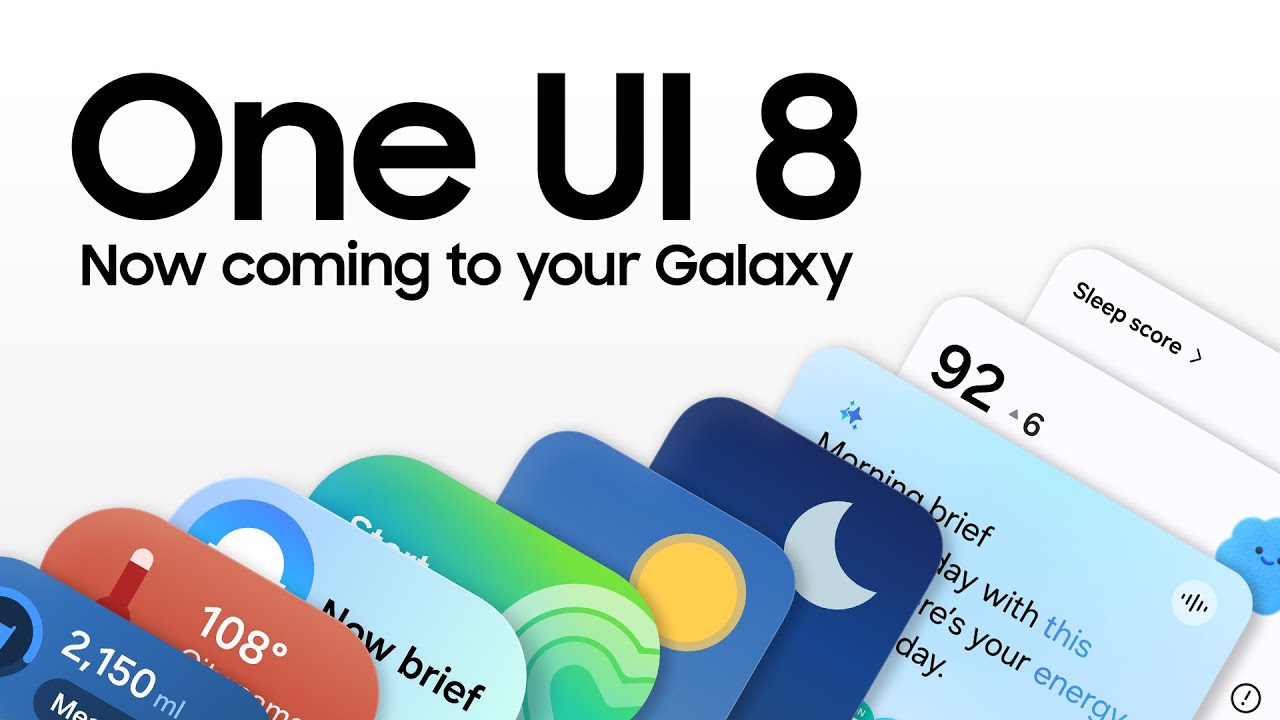
On one hand, the rollout of One UI 7 (based on Android 15) earlier this year was marred by delays and technical hiccups. Even flagship models like the Galaxy S24 Ultra were forced to wait months for stable builds due to unexpected bugs. On the other hand, the rollout of One UI 6 in late 2023 was surprisingly smooth, setting a positive precedent that Samsung could potentially replicate with One UI 8.
What makes this release particularly interesting is not necessarily its flashiness but its focus on refinement. One UI 8 does not introduce a laundry list of new features designed to overwhelm users. Instead, Samsung concentrated on subtle yet meaningful improvements: streamlined visuals, smoother animations, enhanced stability, and – most notably – AI-driven optimizations. These enhancements may not sound revolutionary on paper, but they’re designed to make everyday use more fluid and intuitive across both flagship and budget devices.
Artificial intelligence is playing a growing role in smartphone experiences, and Samsung is clearly leaning into this trend. With One UI 8, expect smarter suggestions, better adaptive power management, and context-aware features that quietly make your phone more useful without demanding extra effort from the user. These touches may not be as eye-catching as, say, a new hardware design, but they matter in the long run, especially for users who rely on their devices as productivity tools.
For Samsung, the stakes are high. The company is competing not just with other Android manufacturers but also with Apple, which continues to enjoy a reputation for fast and reliable iOS updates across its entire iPhone lineup. By pushing One UI 8 to such a wide swath of devices within a tight timeframe, Samsung hopes to solidify its reputation as the best in the Android world when it comes to long-term software support. If it succeeds, it will set a new benchmark for other manufacturers, many of whom still struggle to provide timely updates even for their flagship products.
That being said, skeptics have valid reasons to remain cautious. The rollout schedule is aggressive, and history shows that unforeseen bugs, carrier-specific testing, or regional certification delays could slow things down. Samsung users outside South Korea, in particular, may see staggered release dates even if the company manages to hit all its domestic targets in October and November. Still, the message is clear: Samsung intends to move fast, and for once, the promises don’t seem entirely out of reach.
So, is One UI 8 worth all the excitement? Absolutely. Even though it may not bring groundbreaking new tools, the emphasis on polish, performance, and AI makes it a valuable upgrade for virtually every Galaxy device owner. For high-end users, it ensures their powerful hardware is matched by equally smooth software. For mid-range and budget users, it brings a taste of premium stability and usability, ensuring that no Galaxy user feels left behind.
As October and November unfold, all eyes will be on Samsung to see if it can deliver on this bold roadmap. If it does, One UI 8 could mark not just another software release but a turning point in how we perceive Android updates – less as a fragmented, unreliable process and more as a global, predictable cycle led by Samsung. Until then, Galaxy users can only wait, hope, and maybe keep a glass of water handy before reading through that enormous device list again.
2 comments
lol good luck samsung, they always delay these updates 😂
im hyped, samsung pls dont screw this up