Is Samsung losing its identity, or just reinventing itself? That’s the question many long-time fans are asking as the tech giant cancels yet another device line – this time, the Samsung Galaxy S26 Edge. 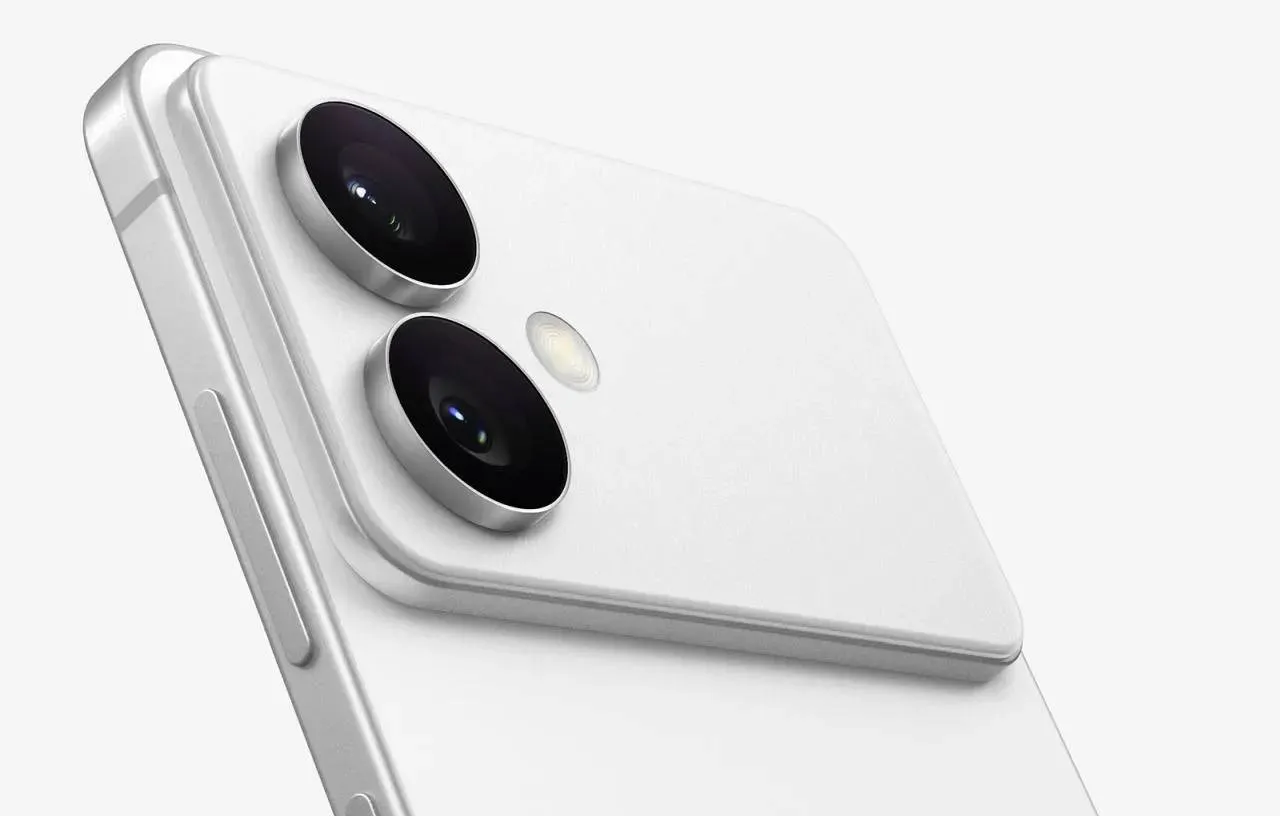
The decision, less than a year after the S25 Edge launch, has triggered discussions about whether Samsung is chasing trends instead of setting them.
Once upon a time, Samsung was the face of Android innovation – bold, confident, and distinctly different from its Cupertino rival. But the past few years have seen a curious pattern: mimic Apple, then retreat when it doesn’t work. Remember when Samsung mocked Apple for removing the headphone jack, only to follow suit? Or when it promised to always include chargers in the box, then quietly dropped them too? Each move seemed to chip away at the company’s original character.
The Galaxy S26 Edge cancellation: a sign of crisis or strategy?
Reports from multiple reliable sources confirm that the Galaxy S26 Edge has been scrapped, despite early leaks suggesting promising specs – a 4,200 mAh battery, improved heat management, and a refined curved display. The S25 Edge wasn’t a bad phone by any means; reviewers praised its design and speed. But the numbers didn’t back it up. Sales lagged far behind the Galaxy S25 Ultra and the revived Plus model. For a company under constant shareholder scrutiny, that spelled trouble.
Some analysts believe the S26 Edge only existed because of Apple’s iPhone Air. When Apple’s ultra-slim phone made waves in headlines, Samsung rushed to announce a similar concept, hoping to ride the same hype wave. But as it turned out, ultra-thin phones may not be the mass-market hit both companies expected. Early reports suggest Apple is also slowing down iPhone Air production due to underwhelming sales – though Apple is far less likely to abandon it. Historically, Apple doubles down on a new idea until it matures, while Samsung tends to pivot the moment the wind changes direction.
What this says about Samsung’s confidence
The sudden retreat from the Edge series paints a troubling picture. The S26 Edge was supposed to showcase Samsung’s new design philosophy – including a camera island inspired by the iPhone 17 Pro, lighter materials, and a refreshed aesthetic. But with its cancellation, that vision evaporates. To many fans, this isn’t just about one phone being shelved. It’s about a company unsure of what it stands for.
Long-time followers recall when Samsung boldly defined the Android ecosystem with innovations like the Note series, the first curved displays, and water resistance long before Apple caught up. Those were the days when Samsung led. Today, with wearables like the Galaxy Watch mimicking Apple’s rounded designs and earbuds resembling AirPods a bit too closely, even loyal users are questioning the company’s design integrity.
The silver lining: the Fold 7 proves the spark isn’t gone
Amid the confusion, there are still glimmers of the old Samsung spirit. Take the Galaxy Z Fold 7 – a product that embodies true innovation. It’s the slimmest foldable in the world, remarkably sturdy, and packed with power. More importantly, Samsung listened to user feedback and refined nearly every flaw from earlier generations. Sales have been phenomenal, with reviewers calling it “the most complete foldable phone yet.”
This is the Samsung people fell in love with: a company willing to take risks, refine its mistakes, and deliver hardware that feels both futuristic and reliable. The Fold 7’s success shows that when Samsung stops trying to imitate others and focuses on its strengths – engineering, display technology, and daring concepts – it still dominates.
A call to return to leadership
Samsung’s challenge now is not about survival, but about rediscovery. The company doesn’t need to be Apple’s shadow; it needs to reclaim its place as the trendsetter of Android. Cancelling products at the first sign of trouble may appease investors in the short term, but it erodes consumer trust in the long run. People want to believe in a brand that believes in itself.
The Galaxy S26 Edge could have been a chance to evolve the Edge legacy into something distinct. Instead, it became another casualty of indecision. Yet, if the Fold 7 and the buzz around the upcoming Fold Flip Pro are any indicators, Samsung’s innovation engine isn’t dead – just momentarily lost in the fog. It’s time for the company to stop following and start leading again.
Samsung, the world is watching. Come home to your roots.
2 comments
samsung used to LEAD android, now just copying apple’s homework lol
so they cancel a phone after one year? lol what’s next, no box at all??