Samsung is not waiting politely for Apple to define the future of foldables. 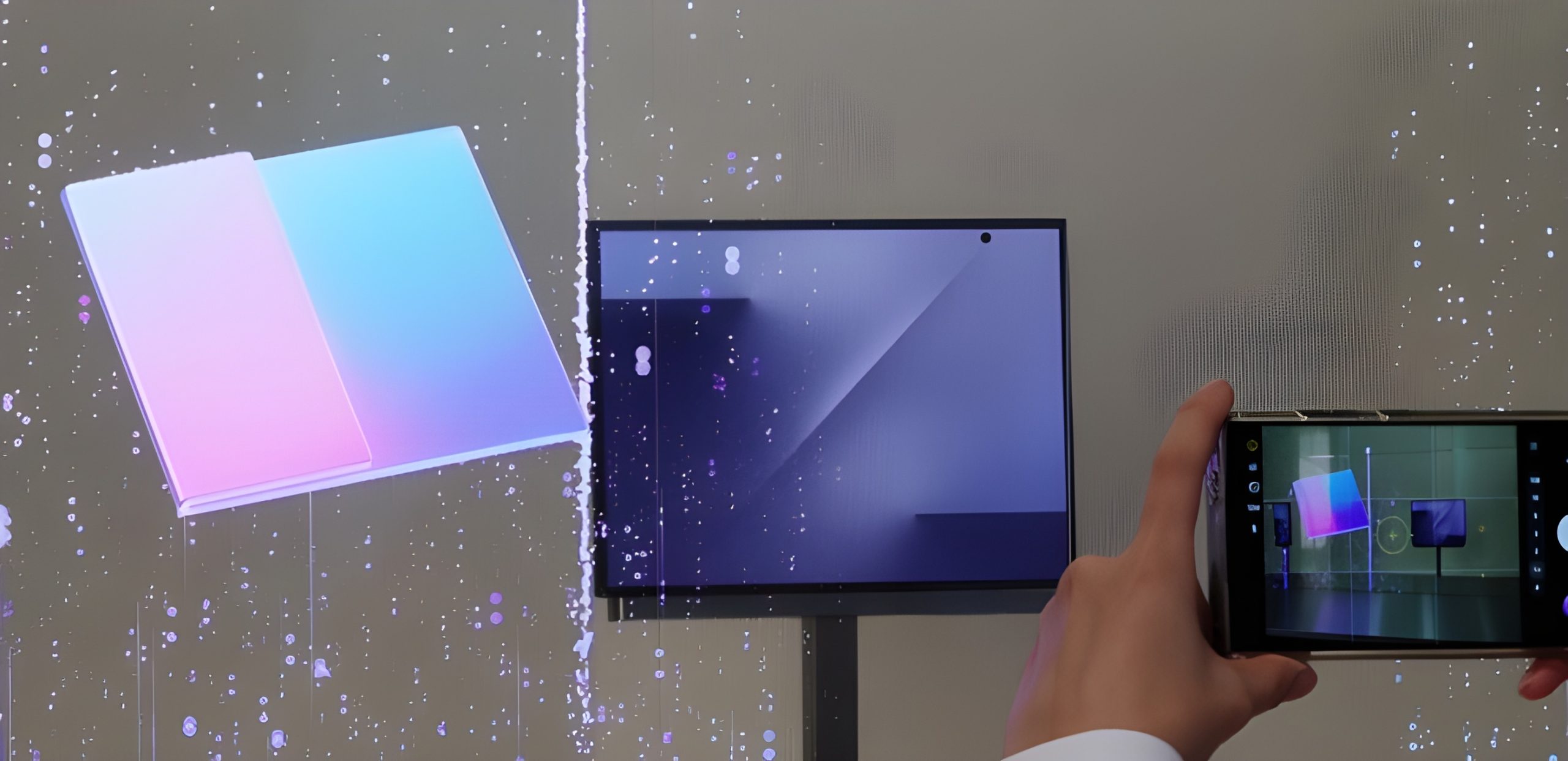
With the long-rumored iPhone Fold still at least a year away, the company is preparing to roll out the Galaxy Z TriFold – a triple-folding tablet-phone hybrid that is already making headlines for one thing above all else: price. Early leaks from South Korea suggest that Samsung has quietly pulled the launch price down to a level designed to make anyone eyeing Apple’s first foldable think twice.
According to reports from local insiders, the Galaxy Z TriFold is now expected to start at around 3.6 million won – roughly $2,450 – instead of the previously rumored 4 million won (about $2,720). That is a surprisingly aggressive move for such an experimental product category. If Apple really does ship the iPhone Fold at around $2,399, Samsung’s three-panel flagship would land only a tiny step higher on the price ladder, despite offering a far more complex form factor. In other words, Samsung seems ready to trade some margin to make sure shoppers weighing their first ultra-premium foldable do not default to Apple by habit.
The timing makes the strategy even clearer. The Galaxy Z TriFold is rumored to debut in early December, long before Apple is expected to enter the foldable arena in the second half of 2026. That gives Samsung both a technological and psychological head start: by the time the iPhone Fold shows up, the idea of a triple-folding device could already feel familiar, even normal, to early adopters. Internal forecasts reportedly point to around 120,000 units sold in the first year – a modest figure by mainstream smartphone standards, but a strong target for a first-generation experimental form factor.
So what exactly are you getting for that price? The Galaxy Z TriFold unfolds into a roughly 10-inch OLED canvas, significantly larger than the inner screen on Samsung’s own Galaxy Fold 7, which hovers around eight inches. Folded up, there is a 6.5-inch outer display for quick tasks, messaging, and one-handed use. The device relies on two hinges with different radii: one hinge bends more tightly, allowing the panels to layer over each other when the TriFold is closed. That layered inward-folding layout helps shield the fragile inner screen from scratches and dust, a very different approach from Huawei’s Mate XT, which mixes inward and outward folds and leaves at least part of the display exposed.
Thickness is always a concern with experimental form factors, and on paper Samsung seems to have done its homework. Depending on which panel you measure, the TriFold’s thickness reportedly ranges between about 3.9 mm and 4.2 mm, which should make the fully unfolded slate feel more like a slim tablet than a chunky prototype. The trade-off, however, is visible in the bezels: leaks point to noticeably thick borders around the inner screen, a reminder that this is still a first-generation device solving hard engineering problems in real time.
On the back, Samsung is said to be leaning heavily on camera specs as a headline feature. The Galaxy Z TriFold is expected to pack a three-camera array: a 200-megapixel main sensor with up to 100x zoom, a 12-megapixel ultrawide lens for capturing wider scenes, and a 10-megapixel telephoto unit with 3x optical zoom. For a foldable, that is an impressive loadout, but not everyone is convinced. Early commenters have already started grumbling that pairing 10–12 megapixel secondary cameras and roughly a 5,500 mAh battery with a $2,400-plus price tag feels underwhelming in 2025, especially when traditional slab flagships are pushing larger batteries and higher-resolution sensors across the board.
The battery system, at least, sounds more interesting than the raw numbers suggest. Instead of a single large pack, Samsung is apparently using three individual batteries with a combined capacity in the 5,437 mAh to 5,600 mAh range, and rumors point to the use of silicon-carbon chemistry. If that holds true, the TriFold could charge faster, run cooler, and deliver better longevity than a conventional lithium-ion pack of the same size – an important advantage when you are driving a 10-inch OLED panel that will likely be used heavily for multitasking, media, and gaming.
Powering all of this is Qualcomm’s Snapdragon 8 Elite Gen 5 chipset, paired with a titanium frame to keep the chassis sturdy while controlling weight. That combination makes it clear that Samsung wants the TriFold to feel like a no-compromise flagship, not a fragile tech demo. We can safely expect generous RAM and storage options as well, given the device’s multitasking ambitions and premium price bracket.
Still, the debates in comment sections hint at the challenge ahead. For some enthusiasts, the very idea of a phone that folds twice into a tablet is irresistible; for others, the price-to-spec balance is hard to swallow. When you cross the $2,400 line, buyers start counting every milliamp-hour of battery and every pixel of camera detail, and they notice when bezels look thicker than on cheaper tablets.
Ultimately, the Galaxy Z TriFold looks like Samsung’s boldest attempt yet to lock in the narrative around foldables before Apple arrives. By launching early, undercutting its own initial price expectations, and getting close to the rumored iPhone Fold price, Samsung is betting that innovation plus near-parity pricing will matter more than Apple’s ecosystem pull. If the company can deliver a smooth software experience that truly takes advantage of the three-panel design, the TriFold could become the reference point by which Apple’s first foldable is judged – not the other way around.