Samsung’s long-rumored Galaxy Z TriFold has finally stepped out of the shadows, and for the first time, we have a clear look at what could become the next big leap in smartphone design. The device was recently spotted at the K-Tech Showcase, a side event of the Asia-Pacific Economic Cooperation (APEC) CEO Summit, held at Gyeongju Expo Park’s Air Dome on October 28. 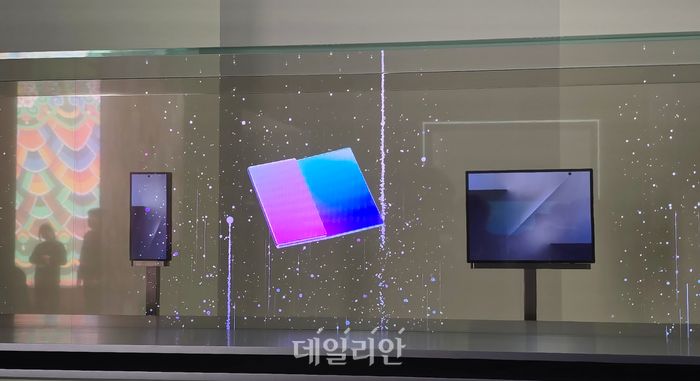
There, visitors caught sight of Samsung’s boldest prototype yet – a triple-folding smartphone that transforms from a pocket-sized handset into a large-screen tablet with remarkable fluidity.
The Galaxy Z TriFold stands apart from previous foldable designs thanks to its dual infolding ‘G-shaped’ hinge system. This engineering feat allows two separate folding panels to collapse inward, protecting the internal displays when shut and extending into a roughly 10-inch tablet when unfolded. The structure seems designed for both portability and productivity – an elegant compromise between smartphone convenience and tablet utility. Unlike earlier folding concepts, Samsung’s prototype shown behind a glass enclosure appeared to have minimal or no visible creases, a persistent issue with foldable displays in past generations.
According to reports from Dailian and images shared by reputable leaker Ice Universe on Weibo, the Z TriFold’s design is sleek, almost futuristic, hinting at Samsung’s refined mastery over flexible OLED technology. Although technical specifications remain under wraps, it’s clear that this prototype isn’t just for show – it’s a near-finished concept, signaling that a commercial release could be closer than many expected.
Currently, the Z TriFold’s main rival is Huawei’s Mate XTs, another triple-folding device that faced criticism for durability and hardware shortcomings. With Samsung’s reputation for quality and software polish, the company is well-positioned to dominate this niche market, even if the audience remains small. However, industry watchers predict that the price tag could exceed 3 million KRW (about $2,085), placing it firmly in the luxury tech category. This limits its appeal to early adopters and enthusiasts willing to pay for cutting-edge innovation rather than mass-market practicality.
If Samsung manages to deliver strong battery life, high durability, and seamless multitasking software, the Galaxy Z TriFold might redefine mobile computing yet again – much like the original Galaxy Fold did years ago. With competition sparse and curiosity high, this triple-fold design could be the next frontier for smartphones. For now, we await Samsung’s official unveiling, but the message is clear: the age of multi-folding devices has begun.