Samsung’s Galaxy XR headset has landed, and it’s doing what many thought impossible: fixing nearly every mistake Apple made with its Vision Pro. The XR market has been in desperate need of a headset that balances innovation, comfort, and value – and Samsung might have finally delivered exactly that. When Apple launched the Vision Pro, it seemed like the dawn of a new era for immersive computing. 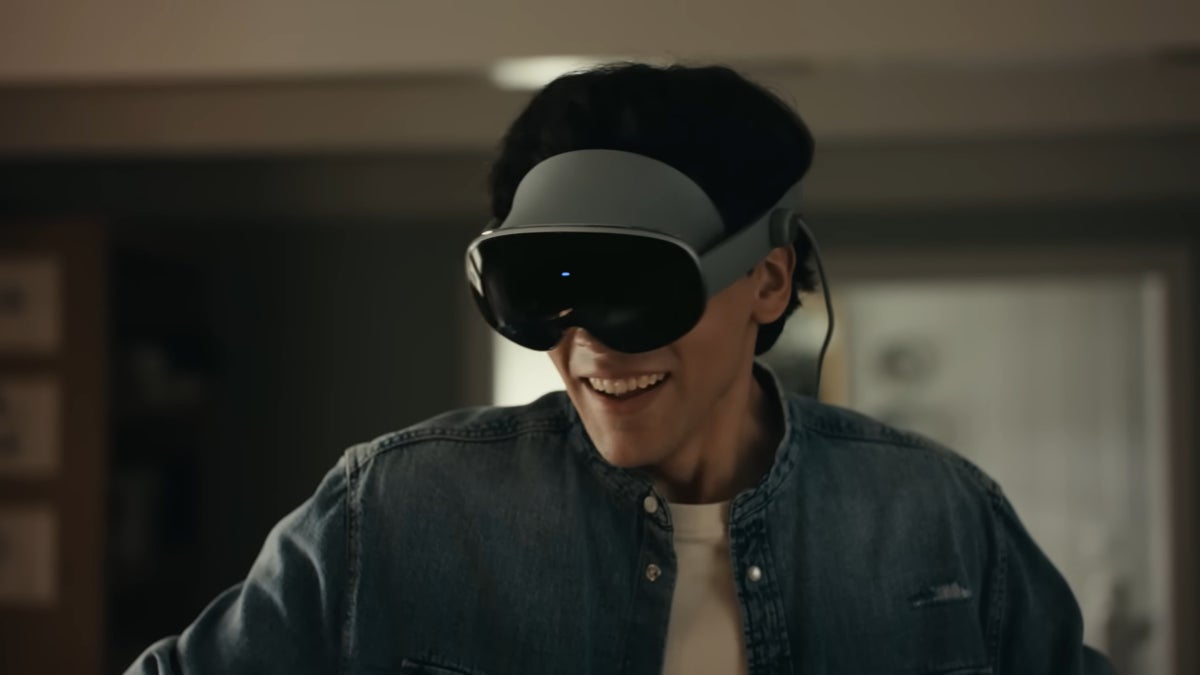
Instead, it became a symbol of overengineering, high costs, and limited practicality. Now, with the Galaxy XR, Samsung isn’t just competing; it’s redefining what mainstream extended reality should look like.
A Reality Check: Where Apple Went Wrong
When Apple’s Vision Pro debuted, expectations were sky-high. The promise of a fully immersive experience powered by Apple’s hardware ecosystem captured imaginations everywhere. But once the dust settled, it became clear that Apple’s approach – while technologically impressive – had alienated most potential buyers. At $3,499, the headset was a marvel that few could justify buying. Early adopters were intrigued, but the average consumer quickly lost interest. Even with the release of the M5 version, Apple stubbornly refused to lower the price, keeping it well out of reach for anyone not swimming in disposable income.
For all its sleek design and glossy demos, the Vision Pro also lacked a compelling library of content. Beyond a handful of immersive short films and a smattering of adapted games, there wasn’t much to do with it. Apple had positioned the headset as a futuristic productivity device – but most users didn’t want to wear a $3,499 computer on their face to check emails. With limited third-party support and a slow content rollout, even Apple loyalists began to question whether the company truly understood what XR users wanted.
Samsung Steps In: The Galaxy XR Difference
Enter Samsung, which has taken a radically different approach. The Galaxy XR headset, priced at $1,799, isn’t cheap, but it’s also not absurd. The company realized that to grow the XR market, it needed to balance innovation with accessibility. By trimming unnecessary features like the external display – which added weight and cost without real benefit – Samsung made its device lighter, cheaper, and more consumer-friendly.
More importantly, Samsung didn’t build its ecosystem in a vacuum. The Galaxy XR runs on Google’s new Android XR platform, seamlessly tying into the broader Android universe. That means users can access familiar apps, games, and services right from launch. Developers can also port their apps with minimal effort, leading to a richer content library from day one. This is a stark contrast to Apple’s walled-garden approach, which left developers frustrated and consumers starved for experiences.
A World Full of Content
Samsung and Google’s collaboration is already paying off. The Galaxy XR headset offers not just immersive games but productivity tools, streaming apps, and even cloud gaming integrations. You can jump from browsing YouTube in 3D space to streaming Xbox or PlayStation games directly onto a massive virtual screen. It’s a headset that feels alive with possibilities rather than trapped in a corporate demo reel. The ability to interact with Steam and SteamVR titles only broadens the experience, giving users access to an enormous existing library of games that Apple users can only dream of.
Where Apple’s Vision Pro feels like a luxurious gadget, the Galaxy XR feels like a platform – an ecosystem designed for fun, creativity, and practicality. Samsung’s partnerships with major entertainment and gaming companies have made sure there’s always something new to explore. Whether it’s painting in 3D, watching a concert as if you were in the front row, or exploring spatial computing apps that turn work into play, the Galaxy XR delivers a sense of continuity between the digital and physical world.
Comfort and Design: Learning From Apple’s Mistakes
Apple’s commitment to premium materials ironically worked against it. The Vision Pro’s glass-heavy construction pushed its weight to nearly 650 grams, and the M5 refresh ballooned it even further – to 800 grams. Many users reported neck strain after just 15 minutes of use. Apple’s response was to sell an optional ‘Dual Knit Band’ for $99, which only made the situation more absurd.
Samsung, meanwhile, took a user-first approach. The Galaxy XR weighs just 545 grams and includes a cushioned head strap and adjustable light shield out of the box. These simple yet thoughtful inclusions make long sessions not only tolerable but enjoyable. The design feels balanced, breathable, and crafted for comfort – something that should have been a given but wasn’t until Samsung made it so. Small touches, like easily washable face pads and a better center of gravity, make the Galaxy XR feel more like an everyday device rather than an experimental prototype.
The AI Advantage
One of the defining differences between the two headsets is artificial intelligence. While Apple continues to roll out its Apple Intelligence system with delays and limited functionality, Samsung’s Galaxy XR comes fully integrated with Google’s Gemini AI. This isn’t just an assistant – it’s an ever-present copilot inside your virtual environment. Gemini can analyze your surroundings, respond to natural speech, and even help you in gaming or productivity scenarios. Stuck on a puzzle in a VR game? Gemini can appear in front of you and offer hints. Need to organize files floating around your workspace? It can sort them automatically. The AI’s situational awareness makes the experience feel less like using a device and more like collaborating with a smart digital partner.
Apple’s Siri, by comparison, still feels like a 2010s voice assistant trapped in a 2025 headset. Samsung’s AI integration demonstrates that true mixed reality is not just about visuals – it’s about responsiveness, intelligence, and contextual awareness.
The Bigger Picture: The Future of XR
Samsung’s Galaxy XR marks a turning point in the XR industry. Instead of building an isolated, ultra-premium gadget for a tiny niche, Samsung has built a bridge to mainstream adoption. By combining affordability, comfort, deep AI integration, and a vast app ecosystem, the company has created something that feels both futuristic and approachable. Even more importantly, it opens XR up to gaming communities, developers, and everyday consumers – the groups that will define the future of this technology.
Meanwhile, Apple’s rumored focus on lightweight AR glasses shows that it may already be pivoting away from the headset market it helped hype up. The Vision Pro name may survive a few more refreshes, but the real competition now lives elsewhere – in devices like the Galaxy XR that actually deliver what people wanted in the first place: immersion without isolation, power without pain, and technology that enhances rather than restricts.
In short, Samsung hasn’t just fixed Apple’s mistakes – it’s shown everyone how XR should be done.