Samsung is pushing the boundaries of wearable health technology once again, with its Galaxy Watch soon gaining the ability to use artificial intelligence to detect early signs of heart failure. 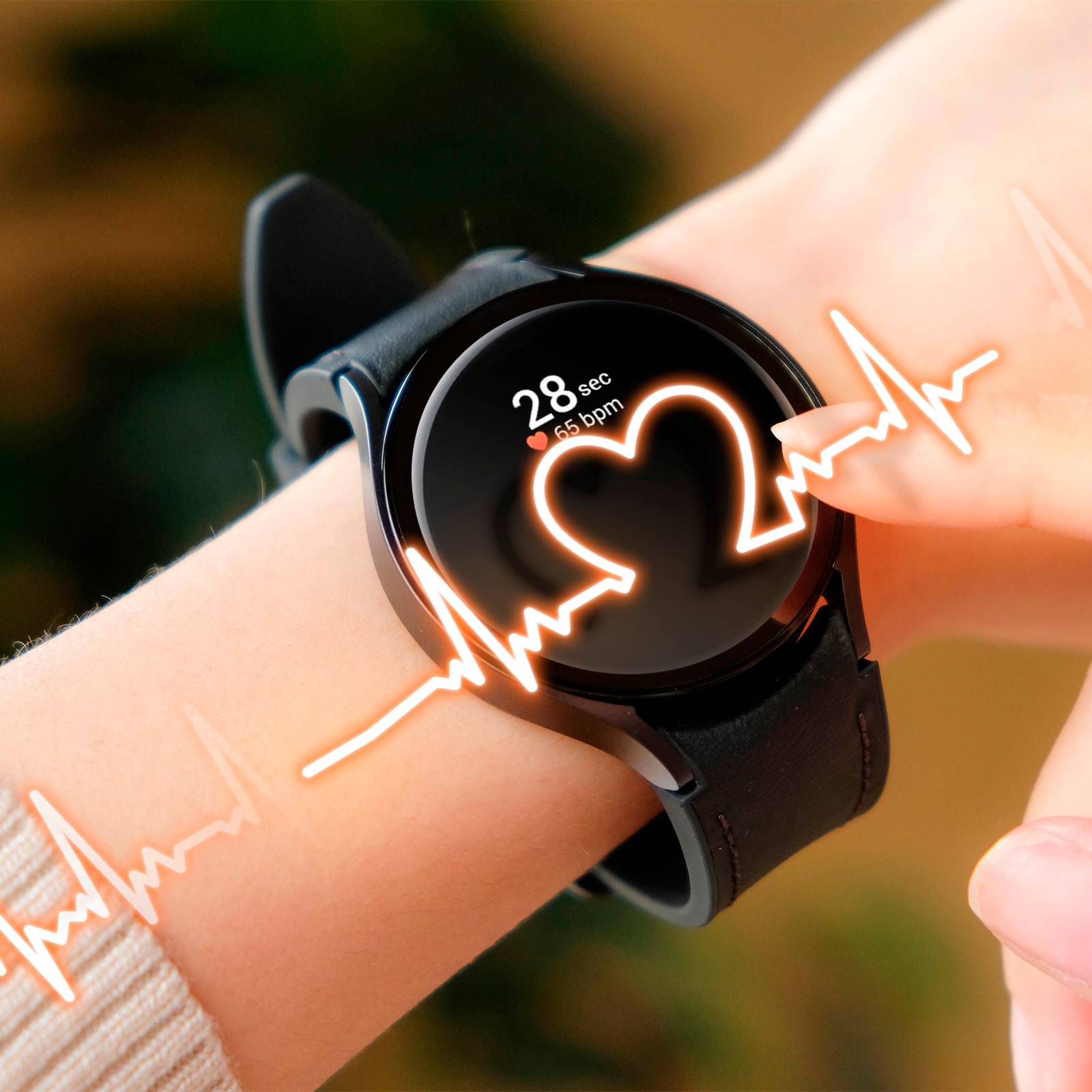
This advancement has already been approved in South Korea, setting the stage for a global rollout once regulatory hurdles in other regions are cleared.
Smartwatches are no longer just fitness trackers or notification hubs; they have become important tools in preventative medicine. By analyzing data such as heart rhythms and blood pressure fluctuations, these devices can alert wearers to potentially dangerous conditions like atrial fibrillation or hypertension before symptoms even appear. Samsung’s latest innovation takes this a step further by addressing one of the most serious cardiovascular threats: Left Ventricular Systolic Dysfunction (LVSD).
LVSD is a condition in which the left ventricle of the heart fails to contract properly, and it is a leading cause of heart failure, accounting for nearly half of all cases worldwide. Early detection is critical, as patients often do not experience obvious symptoms until the disease has progressed dangerously. By equipping its Galaxy Watch with advanced AI algorithms, Samsung hopes to provide users with a new layer of protection, potentially transforming everyday wearables into life-saving devices.
The algorithms behind this feature were developed in collaboration with Medical AI, a South Korean company recognized as a pioneer in AI-based electrocardiogram (ECG) analysis. The underlying technology stems from Medical AI’s 12-lead ECG algorithm, which is already in use across more than 100 hospitals in South Korea and assists in screening over 120,000 patients each month. With approval from the country’s Ministry of Food and Drug Safety – South Korea’s equivalent of the U.S. Food and Drug Administration – the foundation for global adoption is strong.
This development also reflects a larger shift in healthcare: moving diagnostics out of clinics and into the hands of everyday people. By integrating clinically validated AI directly into a smartwatch, Samsung is enabling proactive health monitoring. Such innovation could help reduce the burden on healthcare systems by catching heart conditions earlier, when treatments are less invasive and outcomes are significantly better.
For now, the rollout will depend on country-by-country regulatory approvals, but Samsung has emphasized that South Korea will be the first to receive the feature. If successful, this will mark the world’s first LVSD detection system available through a consumer-grade smartwatch – a milestone that underscores the growing role of wearables in modern healthcare. Global adoption could soon follow, especially as governments recognize the potential for AI-powered devices to improve public health outcomes at scale.
3 comments
samsung beating apple again? nice move
wow thats crazy, a watch that can spot heart failure??
idk man feels kinda scary that my watch knows more about my heart than me lol