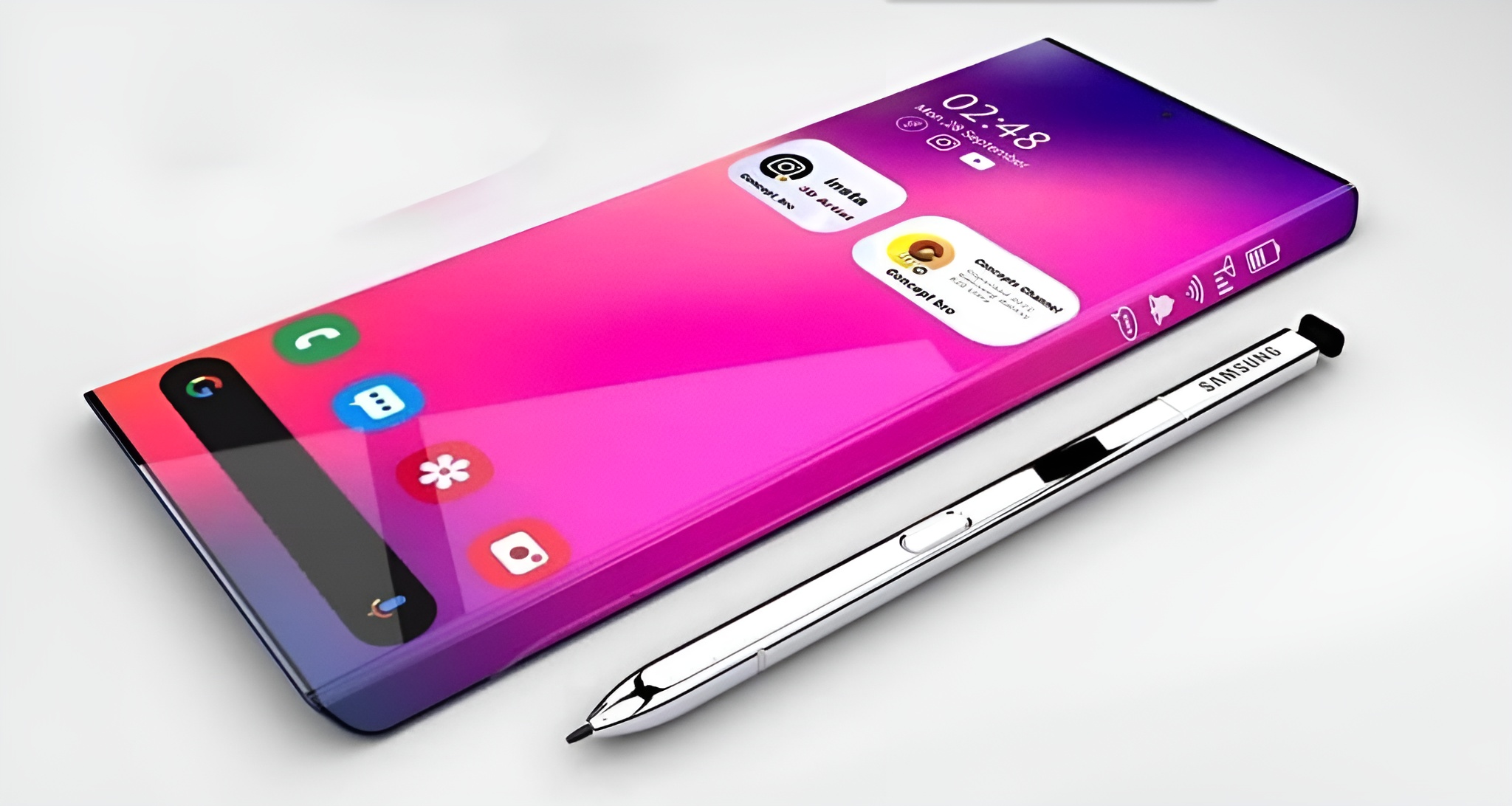
Samsung Galaxy S27 Ultra could introduce Polar ID, a new face authentication method powered by polarized light
Samsung has not even taken the wraps off the Galaxy S26 lineup, yet whispers about the Galaxy S27 Ultra are already circulating. The freshest claim points to a revamped face authentication stack nicknamed Polar ID. According to early test firmware references shared by the tipster known as @SPYGO19726, a module labeled "Polar ID v1.0" appears inside Samsung’s biometric framework, described in internal logs as a polarized-light authentication system. If that phrasing reflects real hardware-software intent, it would mark Samsung’s most ambitious step in years toward a more secure, faster alternative to the basic 2D selfie unlock that has long shipped on Galaxy flagships.
Rumor barometer
Our current assessment: 45% – Plausible. Here’s the breakdown:
- Source: 2/5
- Corroboration: 2/5
- Technical feasibility: 3/5
- Timeline confidence: 2/5
Translation: there is a kernel of technical sense and some breadcrumbs, but not enough cross-verification to call it probable yet.
How a polarized-light system could differ from today’s options
Most Galaxy phones rely on a quick 2D image match from the front camera. It’s fast, but relatively easy to spoof with high-quality photos. High-end 3D systems, popularized by Apple, add dedicated infrared projectors and dot arrays to map depth. Polar ID, if it exists, suggests a third lane: using polarization changes as light interacts with skin and facial structures to extract richer cues than a flat image, potentially without the bulk of heavy IR hardware. The firmware notes reportedly tie Polar ID to a front ISOCELL Vizion sensor and a new secure enclave routine named BIO-Fusion Core, hinting at on-device, hardware-isolated processing.
Claims so far: speed and anti-spoofing
- Unlock latency: about 180 ms in early tests.
- Spoof resistance: expected to outclass standard 2D unlock, thanks to polarization-based liveness signals and multi-frame fusion.
- Integration target: firmware hooks imply a path for S27 Ultra; broader portfolio adoption would depend on sensor availability and cost.
If Samsung executes, Polar ID could narrow the trust gap between 2D image unlock and full IR 3D without adding a large sensor array. That balance – security uplift without notch-grade hardware – would be attractive for industrial design and battery budgets.
Context and caution: tipster track record
Readers should treat the leak with measured skepticism. The same tipster recently sparred with the reputable leaker Ice Universe over the Galaxy S26 Ultra’s camera specs. SPYGO19726 suggested an upgraded 12 MP 3x telephoto, while Ice Universe countered with a 10 MP 3x module on a 1/3.94-inch sensor – smaller than the 1/3.52-inch 10 MP unit on the S25 Ultra. That disagreement does not invalidate every claim, but it does nudge the confidence dial toward "wait and verify" until firmer documentation appears.
Feasibility check: can Samsung deliver by early 2027?
For the S27 family – expected no earlier than 2027 – Samsung would need sensor partners, polarization-aware ISP pipelines, and a hardened secure enclave stack. The purported "BIO-Fusion Core" suggests work on that last piece. Meanwhile, the ISOCELL Vizion branding aligns with Samsung’s depth and ToF efforts, which could be extended for polarization capture or analysis. The timeline feels tight but not unrealistic for a flagship if prototypes exist now; however, any shift in cost, yield, or reliability could delay or limit roll-out to the Ultra model only.
What this would mean for users
For everyday unlocking, the headline numbers – sub-200 ms recognition and stronger spoof resistance – would matter more than the optics jargon. More secure payments, easier mask-and-glasses handling, and consistent low-light performance are the practical wins that would justify a new system. If Polar ID scales without a bulky sensor cluster, Samsung could preserve sleek bezels while quietly upgrading trust level.
Bottom line
Polar ID is an intriguing idea that fits Samsung’s trajectory toward higher security without visual compromises. But with Galaxy S26 still unreleased and S27 far off, today’s chatter sits in the "interesting, not confirmed" bucket. Keep an eye on firmware strings, supply chain hints, and cross-leaker alignment before moving this rumor from plausible to probable.
2 comments
sounds cool but 2027 is ages away lol
security upgrades > megapixel wars tbh