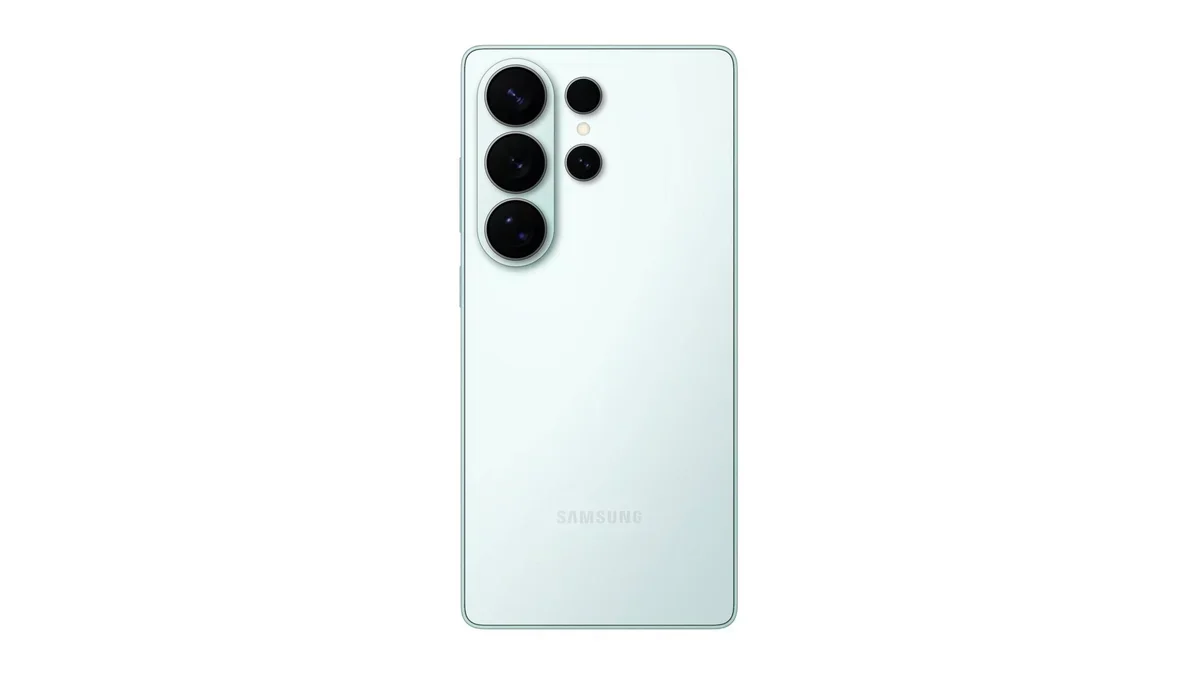
Galaxy S26 Ultra: Why Samsung’s Next Flagship Risks Overpromising and Overcharging
For years, the smartphone industry has followed a predictable rhythm: new generation, slightly faster chip, slightly brighter display, slightly better camera, and a price tag that climbs higher with every cycle. If the Olympic motto is “Faster, Higher, Stronger,” then perhaps today’s smartphone motto should honestly be: “Barely faster, Marginally higher, Slightly stronger.” The Galaxy S26 Ultra is shaping up to embody this plateau – and the worry is that Samsung may ask us to pay more for less meaningful change.
Let’s be clear: modern smartphones are incredible machines. The plateau is natural. Just as athletes eventually hit their performance ceilings, tech products reach a maturity stage where revolutionary leaps become rare. We are already carrying pocket computers capable of professional-grade photography, console-level gaming, and AI-powered productivity. Incremental progress is no crime. But selling those increments as revolutions, especially with rumors of price hikes, risks insulting users’ intelligence.
Why talk of price hikes stings
The backdrop to this discussion is TSMC, the Taiwanese semiconductor giant that supplies much of the world’s advanced chips. Reports suggest TSMC has raised the price of its third-generation 3nm wafers. MediaTek is said to be paying roughly 24% more, while Qualcomm – Samsung’s long-time partner – is facing about a 16% increase for processors built on the N3P node. Naturally, these costs tend to trickle down to consumers. In theory, this means the Galaxy S26 series could launch at a higher price to absorb these wafer hikes.
Apple is also buying these more expensive wafers, but its vertical integration softens the blow. Apple designs its own silicon, optimizes the entire ecosystem, and can adjust margins differently than Samsung, which is still negotiating between Qualcomm and its in-house Exynos efforts. That brings us to the most polarizing rumor around the Galaxy S26 Ultra: the possible switch back to Exynos.
Exynos 2600: redemption or repetition?
Historically, Samsung’s Exynos chips have struggled against Qualcomm’s Snapdragon processors. Performance gaps, heating issues, and weaker GPU support made Exynos-powered Galaxy phones less desirable in many markets. Enthusiasts often went out of their way to import Snapdragon models. The S26 Ultra, however, might lean heavily on Samsung’s comeback attempt: the Exynos 2600.
On paper, the Exynos 2600 sounds formidable. It is rumored to use Samsung Foundry’s 2nm GAA (Gate-All-Around) process, possibly making it the first smartphone chip at this scale. Early reports point to a 10-core CPU paired with an Eclipse 960 GPU, promising a 15% performance boost over Qualcomm’s upcoming Snapdragon 8 Elite. Better heat dissipation is also expected, potentially solving one of Exynos’ longest-standing weaknesses.
If these numbers hold, the 2600 could finally stand as a true rival to Snapdragon. But skepticism runs deep. Trust lost over a decade of underperforming Exynos chips won’t be rebuilt overnight. And here lies the crucial argument: if Samsung is using its own chip, production costs should actually fall compared to paying Qualcomm’s premium. In that case, charging more for the S26 Ultra feels unjustifiable.
What are the upgrades worth?
Let’s examine the rumored improvements. The Galaxy S26 Ultra could boost its wired charging speed from 45W to 60W. Compared to rivals like OnePlus, which flirts with 120W charging, this feels modest, though it would still cut charge time for the 5,000 mAh battery to under an hour. Wireless charging might stick at 15W – uninspiring in 2025’s competitive field.
The display could stretch to 6.89 inches, using Samsung’s new M14 OLED material. Benefits include higher brightness, improved efficiency, and longer lifespan. Color Filter on Encapsulation (CoE) may enhance sharpness while reducing thickness. Flex Magic Pixel technology – allegedly designed to improve viewing angles and privacy – could debut as well. These tweaks sound impressive, but to the average consumer, the difference from last year’s S25 Ultra may feel subtle.
The camera system is another highlight. Samsung may stick with its 200MP primary sensor but enhance light capture and natural bokeh. Rumors of a sharper 50MP 4x zoom lens with an F1.4 aperture add promise for telephoto shots. The ultra-wide and telephoto systems may otherwise remain familiar. All told, you’ll likely see excellent photos, but not a radical leap forward.
As for design, the S26 Ultra could slim down by 0.4mm compared to its predecessor, keeping the flat sides and rounded corners. A slimmer chassis might please some, but others would gladly trade the millimeters for extra battery capacity. An extra 700–800 mAh could have made a bigger real-world difference than a fractionally thinner phone.
The $1,299 question
The Galaxy S25 Ultra launched at $1,299 – a hefty price tag already. If Samsung bumps the price higher for the S26 Ultra while offering what amounts to incremental refinements, it risks alienating loyal fans. The company’s marketing might promise a “revolutionary display” or “super-fast charging,” but the applause may be muted if those features don’t feel transformative in daily use.
There’s also the optics of asking more money while possibly equipping some regions with Exynos. Even if the chip delivers on its promises, perception matters. Many consumers will see it as a downgrade compared to Snapdragon, making any price hike doubly hard to swallow. If Samsung truly believes in Exynos 2600, keeping the price steady would be a stronger gesture of confidence.
Consumers deserve honesty
Ultimately, it’s not about whether the Galaxy S26 Ultra will be a good phone – it almost certainly will. Samsung’s engineering and design remain world-class. But when devices reach maturity, honesty becomes more important than hype. Small refinements can be valuable, but presenting them as monumental shifts and charging premiums risks eroding trust. Plateauing isn’t failure; pretending the plateau is a mountain peak is.
The S26 Ultra will likely deliver a brighter screen, faster charging, a slightly improved camera, and a more efficient processor. But for $1,299 – or potentially more – consumers are right to ask whether those changes justify the cost. Samsung should resist the temptation to cash in on wafer price hikes and instead focus on delivering value. Because the only thing worse than plateauing is asking people to pay extra for standing still.
As some longtime users have quipped: at this rate, we might soon see Samsung pitching “AI features” as the only true upgrade while quietly raising prices year after year. The Galaxy S26 Ultra risks becoming the poster child of incrementalism sold at a premium. For Samsung, that’s a dangerous game.
2 comments
exynos always been meh.. idk why they think ppl will suddenly love it now
1300$ for slightly thinner phone but same battery? big yawn