Samsung’s Galaxy S26 Ultra is still months away, but the rumor mill has already painted a surprisingly detailed picture of what Samsung’s next ultimate flagship could look like. Faster wired and wireless charging, a smarter display with built-in privacy tricks, real Qi2 magnetic support and a more capable camera system are all on the menu, alongside the usual chipset shuffle between Snapdragon and Exynos. 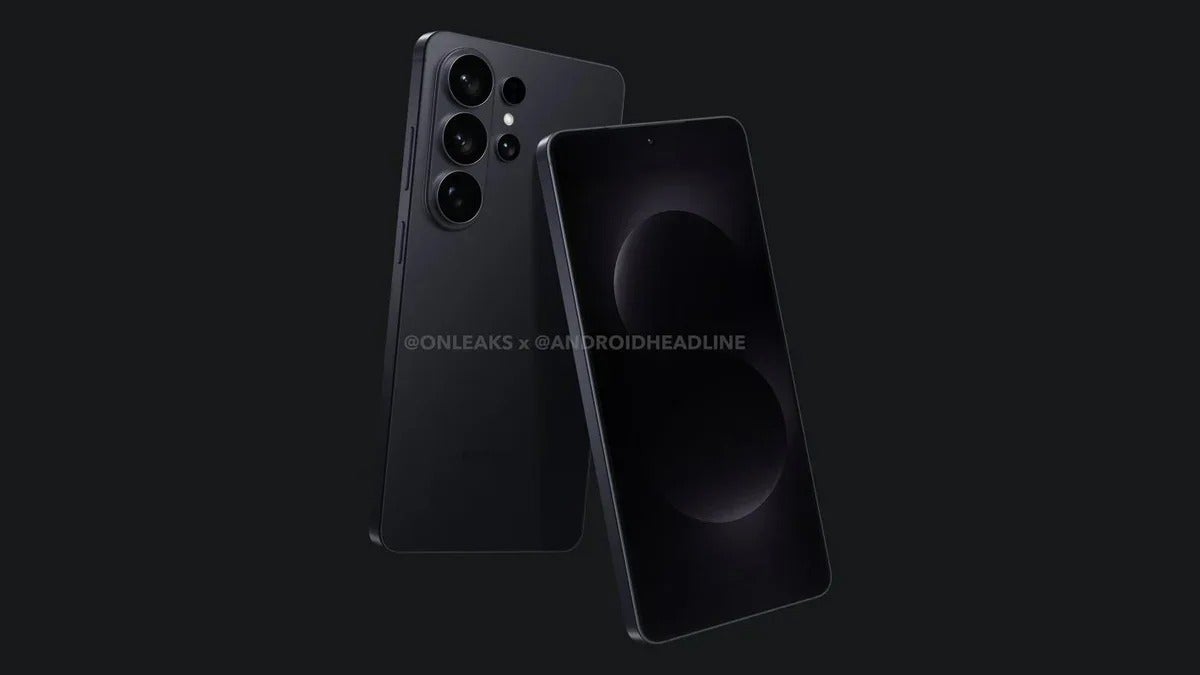
At the same time, many power users are wondering whether these changes are truly next-gen or just a careful refinement of what we already have on the Galaxy S25 Ultra and other 2025 flagships.
Faster charging and real Qi2 magnets
First, the headline-grabbing upgrade: charging. For years, Samsung has been conservative with charging speeds, prioritising battery health and reliability over raw numbers. With the Galaxy S26 Ultra, leaks suggest the company is finally ready to step on the gas. Rumors point to 60W wired charging, a solid jump from the 45W limit on the S25 Ultra. It still may not match the crazy 90W–120W bricks some rivals throw into the box, but in real-world terms it should mean comfortably getting from single digits to a useful battery level during a short coffee break instead of a long sit-down.
Wireless charging is also said to get some much-needed love. The S26 Ultra is expected to move up to 25W wireless speeds, which, combined with better efficiency, could make dropping your phone on a pad almost as practical as plugging in. Samsung has never chased the wireless-charging-arms-race the way some Chinese brands have, but 25W is finally in the fast-enough territory for most people, especially if you charge on your desk or nightstand throughout the day.
Those wireless upgrades are tightly linked to another change: proper Qi2 support. The current Galaxy S25 line is technically Qi2 Ready, but you need a special case with magnets to get the full experience. With the Galaxy S26 Ultra, leaks claim the magnets will move into the chassis itself, just like Apple’s MagSafe. That means a true magnetic ring inside the phone, unlocking a richer accessory ecosystem. Expect more secure car mounts that do not rattle on bumps, pocket-friendly magnetic battery packs, desk stands that snap into exactly the right position, and even slim magnetic wallets that cling to the glass back instead of relying on adhesive.
Snapdragon vs Exynos at 2nm
Under the hood, Samsung is expected to repeat its split-chip strategy. Some regions will reportedly get Qualcomm’s Snapdragon 8 Elite Gen 5, while others will get Samsung’s own Exynos 2600. In the past, that news alone would have sparked groans from enthusiasts who remember hot Exynos phones with weaker performance and battery life. This time around, though, the narrative might finally change. The Exynos 2600 is said to be built on an advanced 2nm process and early whispers suggest it could not only close the gap with Snapdragon, but in some scenarios even edge past it – and potentially go toe-to-toe with Apple’s upcoming A-series chips.
If those rumours hold, Galaxy S26 Ultra buyers in Exynos markets might no longer feel like second-class customers. Both versions should offer top-tier performance, smoother gaming at high refresh rates and stronger efficiency for all of Samsung’s new AI tricks. It is too early to crown a winner, but at least it sounds like we are moving beyond the era when simply hearing the word Exynos made some fans roll their eyes.
Design: subtle tweaks, familiar silhouette
On the outside, the S26 Ultra may look familiar at first glance, but the design story is more nuanced than the simple fresh design tagline floating around. Renders point to slightly rounder corners combined with flat sides, which should make the phone more comfortable to grip while still delivering that modern, slab-like premium feel. The camera lenses are also tipped to sit on a unified platform rather than floating individually on the back glass. It is a subtle change, but one that might make the rear look cleaner and more cohesive, especially when light hits the camera island.
The chassis is also said to be a touch slimmer – roughly 0.4mm thinner than the current Ultra. On paper that sounds minor, yet anyone who has handled big Samsungs knows that shaving off fractions of a millimetre across the frame can make a real difference when you are using the device one-handed or sliding it into a pocket. Still, not everyone is impressed: in early online discussions, you already see comments asking what new design Samsung is talking about, and claiming these tweaks feel more like a refinement pass than a radical redesign. That is a fair criticism; if you are expecting a completely new silhouette, the S26 Ultra might not deliver that shock value.
M14 OLED and smart privacy display
The display, on the other hand, looks set to deliver genuinely new experiences. Samsung is reportedly equipping the S26 Ultra with an M14 OLED panel, its most advanced phone display yet. In practice, that should mean even higher peak brightness for sunny days, better power efficiency and improved longevity – handy if you keep your phone for three or four years. Galaxy S panels are already in the conversation for the best screens in the industry, and moving to M14 would be another step ahead of many rivals that actually buy their displays from Samsung.
There is also talk of a built-in privacy layer that can dynamically reduce viewing angles so that the content on your screen becomes harder to read from the side. Crucially, this may not be a simple manual toggle buried in settings. Rumours hint at intelligent behaviour where the phone uses its cameras and sensors to detect when someone is clearly looking over your shoulder, then automatically narrows the viewing angle or dims sensitive areas. If it works as advertised, that could be a big win for anyone who handles emails, banking apps or private chats on public transport and is tired of uninvited co-viewers.
Camera and selfie upgrades
Cameras are another area where Samsung appears to be focusing on smarter refinements instead of wholesale hardware swaps. The main sensors on the S26 Ultra are expected to remain similar to the previous generation, but leaks point to larger apertures on at least some of the lenses. A wider aperture lets in more light, which in low-light situations means faster shutter speeds, less blur and more detail. Night shots, indoor photos and late-evening portraits should all benefit, even if the megapixel counts stay the same.
Low-light photography has become the real battleground at the high end, and Samsung cannot afford to fall behind competitors that are pushing huge sensors and aggressive computational processing. If the S26 Ultra combines slightly brighter optics with improved algorithms and the extra AI power of its new chips, it could deliver cleaner night scenes and more natural skin tones without the over-processed look that sometimes creeps into older models.
On the front, the selfie camera is rumoured to keep the 12MP resolution of the S25 Ultra, but pair it with a refreshed lens offering an 85-degree field of view instead of 80 degrees. Five extra degrees might sound tiny, yet in practice it can be the difference between cutting someone out of a group shot and fitting the whole crew in without stretching your arm to the limit. It also helps capture more of the background behind you, which is perfect for travel photos and short vertical videos where showing the scene is just as important as showing your face.
AI gets more proactive and playful
As with every modern flagship, a big part of the story will be AI. Samsung is reportedly preparing a more user-centric AI experience on the Galaxy S26 Ultra. Translated into everyday use, that could mean an assistant that quietly watches what you do and proactively offers shortcuts: suggest editing a long video into a vertical clip ready for social, propose smart replies based on the tone of a chat, or automatically tidy up your gallery by recognising and grouping similar photos. Some features will likely still run in the cloud, but the push to on-device AI should grow thanks to more powerful NPUs in both the Snapdragon and Exynos variants.
Beyond productivity, you can safely expect a new batch of fun AI camera modes and creative tools. Think instant background removal, generative fill for people who accidentally walked into your shot, or live translation baked into calls and video chats. Samsung knows that AI is the buzzword of the moment, and the S26 Ultra is almost certain to be the brand’s main stage for showing what its Galaxy AI vision looks like in 2026.
Facing the 2025 flagship crowd
If there is one area where excitement and scepticism collide most sharply, it is how all these upgrades compare with the rest of the 2025 flagship crowd. Some competing phones already offer much faster wired charging, massive batteries and bold camera hardware changes. By contrast, the Galaxy S26 Ultra appears to double down on Samsung’s usual formula: a balanced spec sheet, plenty of software polish, a best-in-class display and a long support roadmap, rather than spec-sheet shock. For some buyers that is exactly the right approach; for others, it may feel like another incremental step that does not justify upgrading from a fairly recent Ultra.
Battery capacity, for example, is not expected to grow, so heavy users hoping for dramatically better endurance might be disappointed. The new charging speeds and efficiency gains from 2nm silicon should still translate into better day-to-day stamina, but probably not a revolution. And while the design tweaks will make the phone nicer to hold, you can already hear the chorus of what updates from people who wanted something radically different.
Early verdict
Still, when you look at the S26 Ultra as a whole package, the picture becomes more compelling. Faster 60W wired charging, genuinely improved 25W wireless charging with true Qi2 magnets, a smarter and more private M14 display, camera refinements aimed squarely at low-light performance and selfies, more ambitious AI features and a slimmer, more cohesive design all add up. None of these changes alone might blow your mind, but together they hint at a device that feels more modern, more secure and simply easier to live with every day.
If Samsung sticks to its usual schedule, the Galaxy S26 Ultra should arrive in early 2026, likely around January or February. Until then, every rumour needs a healthy dose of scepticism. But if even most of these leaks land close to reality, the S26 Ultra will not just be another minor refresh. It will be Samsung quietly tightening every screw on its most important phone, even if some vocal fans still jump into the comments to complain that it is behind the wildest 2025 flagships.
2 comments
ngl this just looks like S25 Ultra with a speedier charger 😂 still kinda want it tho
If Exynos really beats Snapdragon this time I’ll eat my case, but I do hope they finally fixed the heating and battery drain