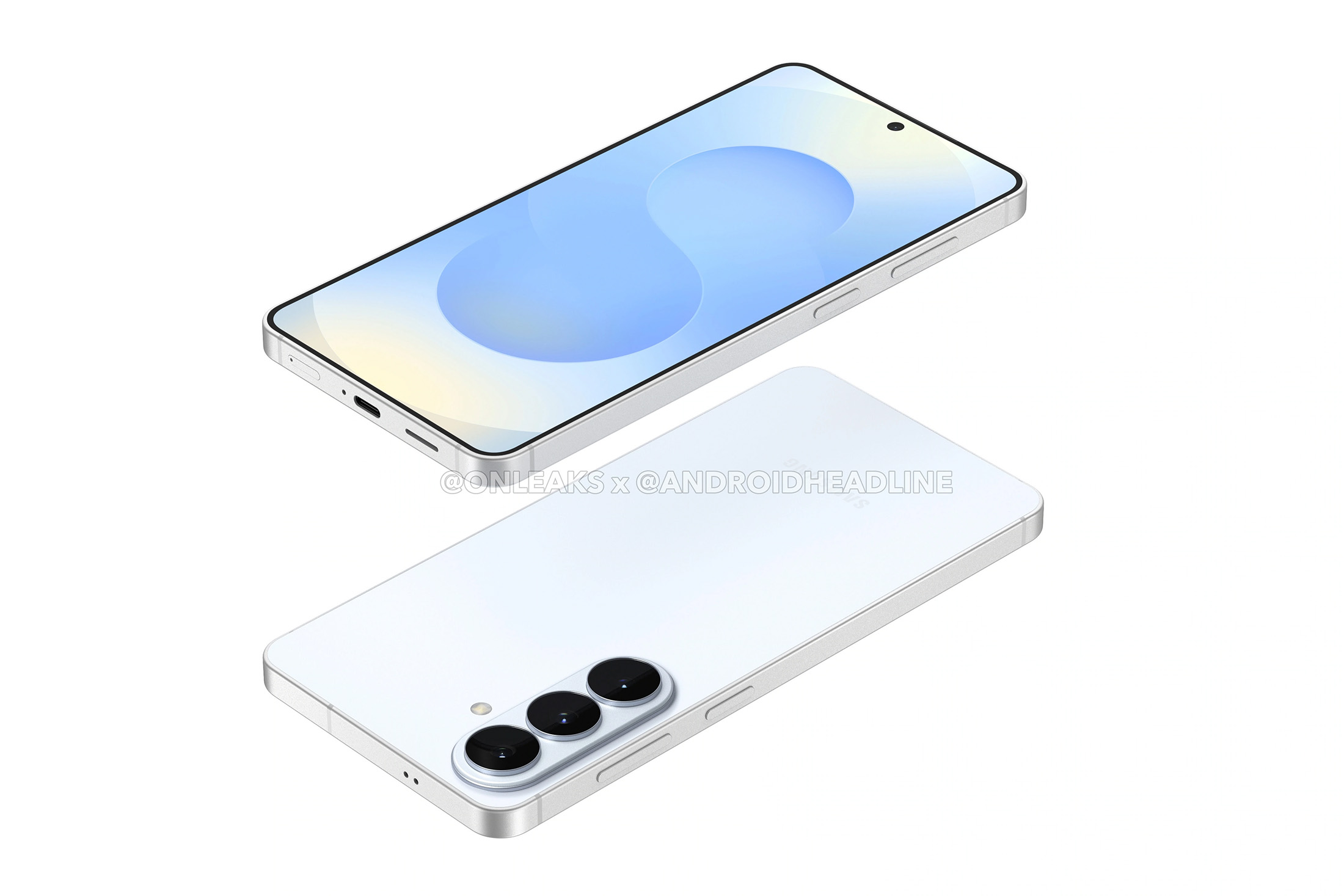
Samsung Galaxy S26 leak: ultra-thin body, Qi2 magnets, and smarter power under the hood
Samsung’s next mainstream flagship looks set to make a statement not with flashy gimmicks, but with fundamentals: a thinner chassis, cleaner design, and a charging system built for the accessories we actually use. Fresh leaks point to the Galaxy S26 slimming down to just 6.9mm, edging out its predecessor by 0.3mm while still promising meaningful gains to cameras, software, and performance. Alongside the base model, Samsung is expected to stick with a familiar trio – Galaxy S26, S26 Plus, and S26 Ultra – after early chatter around Pro and Edge variants fizzled out. The result, if accurate, is a lineup that refines what worked on the S25 generation and quietly fixes what didn’t.
A leaner flagship with a purposeful redesign
The leaked diagram attributed to a reliable tipster depicts a handset that is tidy and intentional. The camera cluster shows a triple-camera system arranged inside a vertical pill-shaped island, a visual that echoes what we’ve seen on the Galaxy Z Fold 7. It’s a look that prioritizes alignment and balance, helping the phone appear slimmer than it already is. The headline spec here is thickness: at 6.9mm, the S26 would be one of Samsung’s thinnest mainstream flagships to date. The engineering challenge, of course, is heat and battery. A thinner frame typically leaves less space for both cell capacity and thermal dissipation; Samsung will likely be leaning on a more efficient chipset, improved vapor chamber design, and smarter power management to keep performance steady.
Qi2 magnets built in: the charging upgrade that actually matters
The most consequential change may be a simple ring on the back – embedded magnets for Qi2 wireless charging. Unlike Samsung’s recent phones that were merely Qi2 Ready (no magnets, case required), full Qi2 certification suggests the S26 will snap precisely onto compatible chargers and magnetic stands. That means fewer fussy alignments, faster initiation of charging, and an open door to a wave of magnetic wallets, car mounts, battery packs, and desk accessories built to the Qi2 standard. In short, a MagSafe-like ecosystem for Android – without locking you into proprietary hardware.
Displays and biometrics: bright, fast, and familiar
The base Galaxy S26 is expected to carry a 6.3-inch Dynamic AMOLED 2X panel with a 3,000-nit peak brightness, primed for HDR video and outdoor readability. An ultrasonic in-display fingerprint reader returns for quick, secure unlock in rain, sweat, or bright sun. Samsung’s display tuning has long been a differentiator, and the S26 looks poised to continue that tradition with high refresh rates, granular brightness control, and adaptive color profiles.
Cameras: pragmatic hardware, heavier on computational gains
On paper, the camera setup reads as a confident refinement: a 50MP primary wide camera, a 50MP ultrawide, and a 10MP telephoto. Rather than chasing extreme pixel counts, Samsung appears to be betting on larger, more efficient sensors, cleaner optics, and – crucially – more aggressive computational photography. Expect better portrait edge detection, more natural skin tones, and night mode improvements, plus quicker HDR stacking to handle harsh daylight. The new housing’s symmetry should also help with lens protection and reduce wobble on a desk.
Performance: next-gen silicon in a thinner shell
Under the hood, the Galaxy S26 is tipped to run Samsung’s 2nm Exynos 2600 in many regions, with Snapdragon 8 Elite Gen 5 powering others. The move to 2nm, combined with modern GPU and NPU blocks, should translate to higher sustained performance at lower wattage – key for such a slim device. Memory and storage options look sensible: 12GB RAM as standard and 256GB/512GB storage tiers. Beyond raw speed, the benefit you’ll feel most is responsiveness during long camera sessions, multitasking with heavy apps, and on-device AI features that don’t torch the battery.
Software: Android 16 with One UI 8.5 polish
The S26 is expected to ship with Android 16-based One UI 8.5. Expect small but meaningful quality-of-life upgrades: deeper per-app language controls, richer lock-screen widgets, smarter privacy prompts, and camera/galley workflows that shave taps off everyday tasks. Samsung’s update policy has become a strong selling point; while exact timelines aren’t confirmed here, the S26 should follow the company’s modern, multi-year update cadence.
Connectivity, durability, and battery life
Connectivity checks all the flagship boxes: 5G, Wi-Fi 7, Bluetooth 6.0, NFC, GPS, and a USB 3.2 Type-C port for faster data. An IP68 rating returns for dust and water resistance. Power comes from a 4,300mAh battery with 25W wired and 15W wireless charging. Paired with the more efficient silicon and One UI tuning, that should yield reliable all-day use for most people – even with the thinner frame and brighter screen.
Lineup clarity and what it means for buyers
Early rumors floated a Pro and Edge variant, but the latest guidance says Samsung will keep it simple: base, Plus, and Ultra. That clarity helps shoppers: choose the base model for the best size-to-feature ratio, the Plus for bigger battery and screen, and the Ultra if you want the absolute best camera package. The base S26, with its new Qi2 magnets and 6.9mm profile, looks set to become the sweet spot – modern design, flagship essentials, and a charging ecosystem that finally feels future-proof.
As always with pre-launch leaks, details can shift before retail units land. But if these specifications hold, the Galaxy S26 is shaping up to be the most thoughtful revision to Samsung’s compact flagship in years – thinner, smarter, and better connected to the accessories you actually use.
1 comment
10MP tele again? hoping computational zoom is better this round