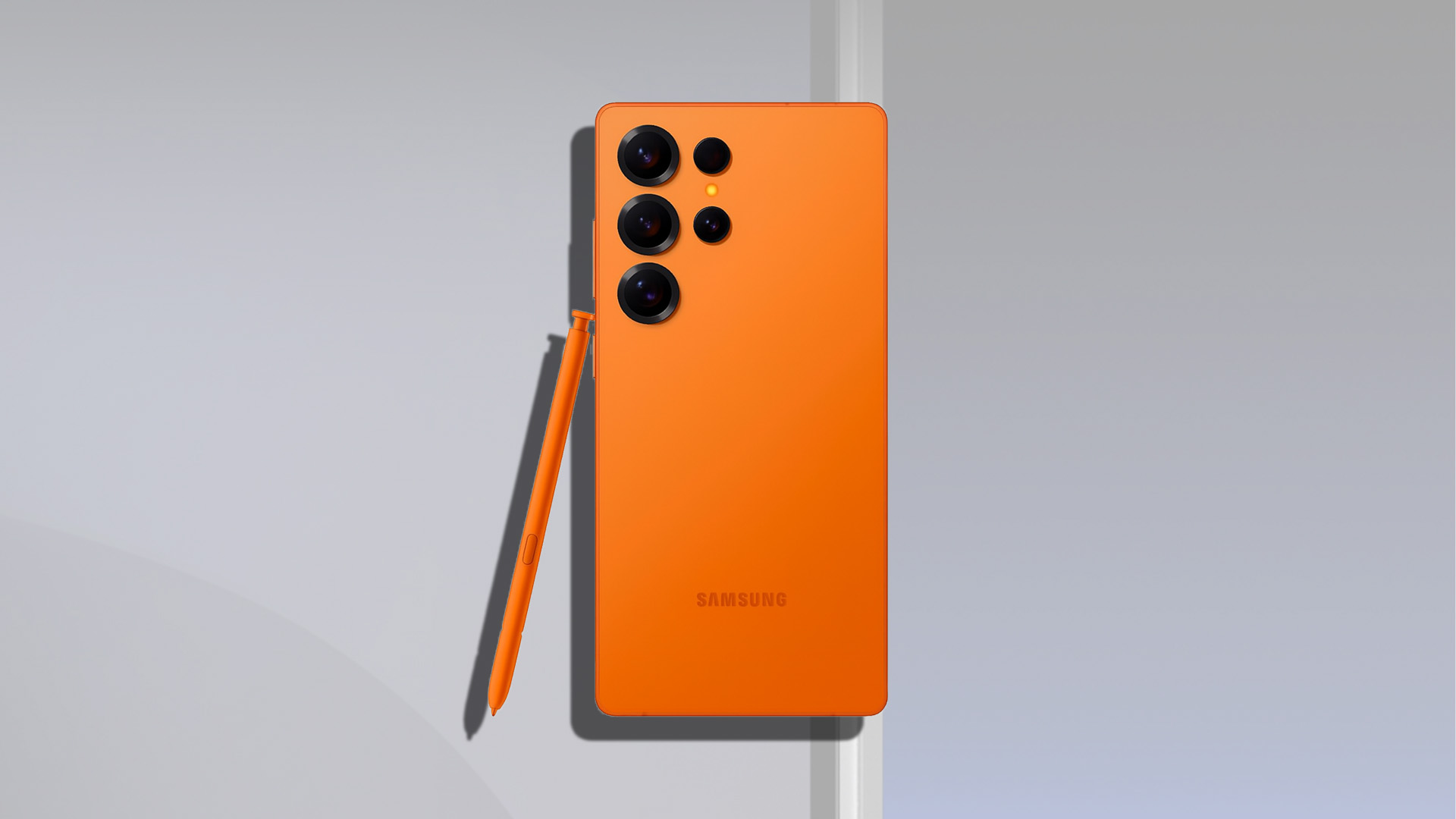
Samsung’s Galaxy S26 pivots to custom silicon, practical AI and fresher cameras
Samsung used its Q3 report to do more than talk numbers: it set expectations for the Galaxy S26 family. The company says its next flagships will deliver faster performance, a stronger push into on-device AI, and – critically for many buyers – new camera sensors. That vision sits on top of a renewed silicon strategy that blends a second-generation custom application processor (AP) approach with partnerships, while also rethinking connectivity chips across the lineup.
Custom chips and the 2nm question
In Samsung’s terminology, the AP is the main chipset that powers your phone. The firm hints at a “second-generation custom AP,” language that reflects two parallel tracks. On one side, industry chatter points to Exynos 2600 moving to a 2nm-class process at Samsung Foundry, aiming for gains in efficiency, thermal headroom and sustained performance. On the other, Snapdragon “for Galaxy” variants are expected to continue – potentially with some production handled by Samsung’s own fabs – giving Samsung flexibility to tune clocks, AI blocks and memory controllers for its priorities.
What counts as “second-gen”? If you treat the limited-scope Exynos 2500 in the Z Flip7 as the first wave of advanced-node experimentation, then a 2nm Exynos 2600 would indeed be round two. Either way, the point is less about the label and more about the targets: stronger multi-hour performance under load, smarter power scheduling for gaming, and more capable NPUs for on-device generative features.
Regional silicon split is still on the table
Samsung hasn’t locked the final chip matrix. The working plan many expect is Exynos 2600 in most regions and a Snapdragon 8 Elite Gen 6 configuration for the US, China and Japan. Executives say AP evaluation is ongoing, so the split – and even the exact Snapdragon tier – could shift before launch. The pragmatic read: Samsung wants supply resilience and the ability to match local network requirements, while keeping performance parity close enough that most users won’t notice in day-to-day use.
Beyond the AP: a homegrown connectivity chip
Alongside the main SoC, Samsung is preparing an in-house Exynos connectivity chip to handle Wi-Fi and Bluetooth. That would be a departure from the Galaxy S25 series’ reliance on Qualcomm’s FastConnect 7800. A homegrown solution could allow deeper power co-management with the AP and tighter integration for features like latency-sensitive game streaming or multi-device hand-off with Galaxy Buds and tablets. As with any first-wave silicon, reliability and roaming behavior will be watched closely.
AI you can actually use
Samsung’s messaging around AI is notably practical. Expect next-gen on-device models for photo and video enhancement, voice translation and summarization that work offline, plus context-aware battery and performance tuning. On wearables, Samsung is teasing AI-assisted health insights that combine sensor trends into simple, actionable guidance instead of raw charts. New Galaxy Buds are set to lean into those smarts with clearer voice pickup and tighter switching across devices.
Camera hardware finally gets attention
The most repeated request from power users this year has been simple: less marketing about speed, more visible improvements in photos. Samsung is openly promising new camera sensors for the S26 line. That matters because image pipelines top out quickly if sensor size, pixel architecture and readout speeds stay static. Upgraded hardware – paired with refined processing and more consistent HDR – should address complaints about low-light texture, shutter lag and over-processing of skin tones. If Samsung also tweaks thermal envelopes and lens coatings, we could see fewer soft corners and less flare in night cityscapes.
Performance reality check (and batteries)
Modern flagships already trade blows within 10% on synthetic benchmarks; what separates them is sustained performance, heat, and battery endurance. A 2nm-class Exynos could help, but battery chemistry and pack design still decide whether a phone feels lively at 5 p.m. Rumors around new materials like silicon-carbon electrodes crop up every cycle; the meaningful win would be higher cycle life and faster top-ups without throttling the camera or the modem during charge.
What to watch before launch
- Parity: Do Exynos and Snapdragon variants deliver similar camera behavior, battery life and game stability?
- Connectivity: Does the in-house Wi-Fi/Bluetooth silicon match roaming stability and latency of the best third-party chips?
- Thermals: Are performance gains sustained in 20-minute gaming sessions and 4K video recording?
- Software cadence: Samsung’s long update policy is only as good as the quality of each release – watch for fewer regressions and tighter camera tuning over time.
Bottom line: the Galaxy S26 strategy reads like a course correction. Keep the speed race going, yes, but pair it with real camera upgrades, tighter connectivity integration and AI that reduces friction instead of adding gimmicks. If Samsung sticks that landing – and keeps regional variants close in experience – the S26 could feel like a more thoughtful flagship, not just a faster one.
3 comments
Tired of updates breaking random things – my S23U audio was weird for weeks. Great hardware needs consistent software, that’s it. 🙃
S25 performance is fine for me; what’s missing is endurance. Silicon-carbon batteries when? That’s the upgrade people will feel
No moar AI spam pls 😅 Make the stuff we already use faster and smarter and keep it offline