PC gamers have spent the last few years riding out volatile GPU prices, and now it looks like memory is next on the chopping block. According to industry chatter, Samsung is preparing one of the biggest DRAM price hikes in recent history, with contract prices for key DDR5 modules reportedly jumping by double-digit percentages in a single month. 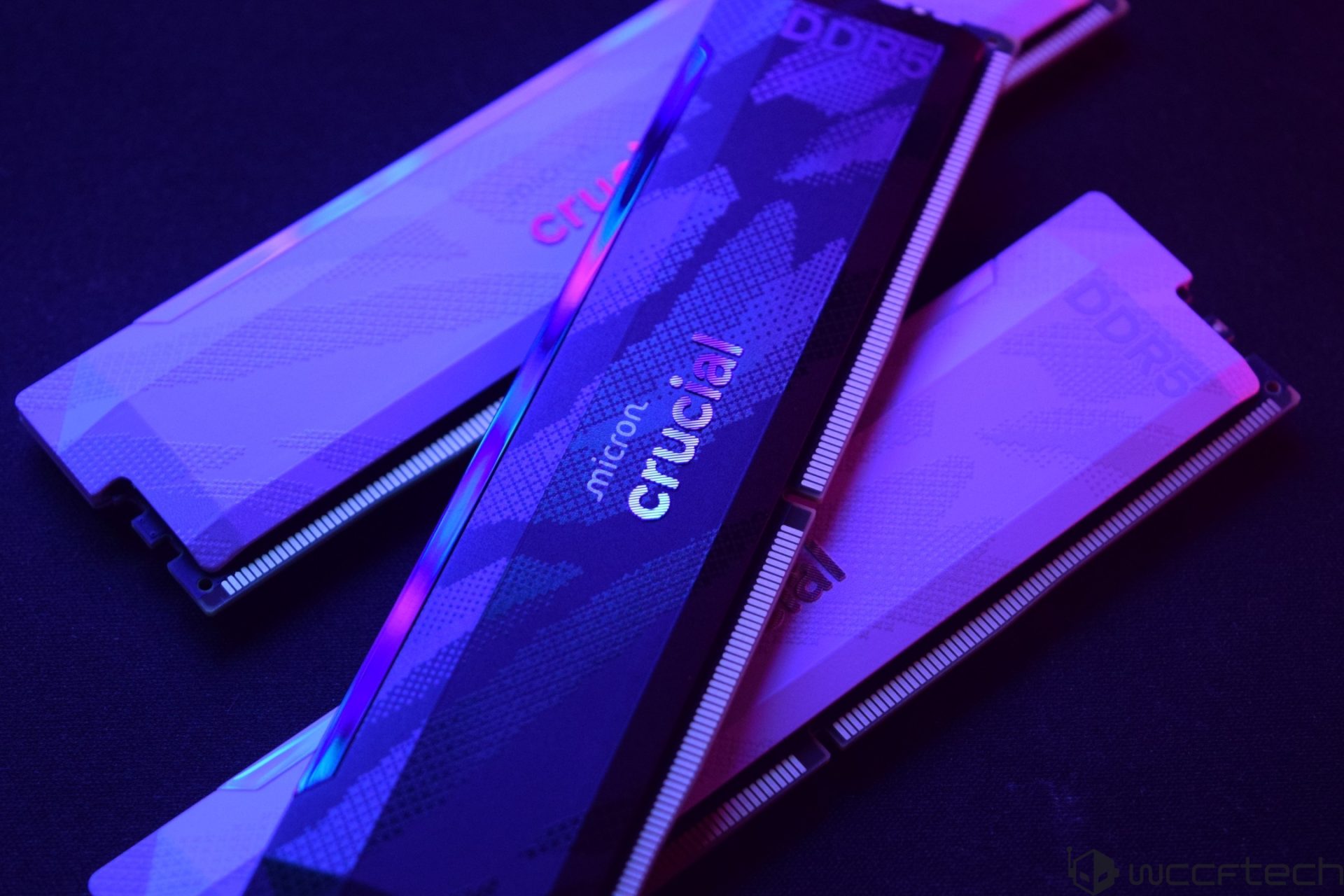
For anyone planning a new build or a major upgrade, this could turn RAM from a relatively affordable component into the part that blows up your budget.
The most alarming figure doing the rounds is a rumored increase of up to 60% on some memory contracts as Samsung pivots hard to chase booming AI demand. We are already seeing the first signs of that shift: 32 GB DDR5 modules used by both high-end desktops and servers are said to have climbed to around 239 USD on contract, which represents roughly a 50% month-on-month surge. Similar jumps are being reported for 16 GB sticks and high-capacity 128 GB modules, suggesting this is not an isolated blip but a broad repricing of modern DRAM.
Behind the scenes, the logic (for Samsung, at least) is brutally simple. AI is the new gold rush. Data centers training and serving large language models are buying memory at a scale that makes even the most hardcore enthusiast build look like a rounding error. A single AI server packed with accelerators can be configured with 768 GB or more of DDR5, plus stacks of HBM and LPDDR5X attached to GPUs and specialized processors. Multiply that by thousands of nodes and then lock in multi-year supply deals, and you quickly understand why consumer RAM is being pushed to the back of the line.
DRAM fabs cannot magically triple output overnight. When capacity is tight, it is rational for suppliers to prioritize customers who sign massive, long-term contracts and are willing to pay a premium to secure supply. That is the AI giants and hyperscale cloud providers, not the average PC gamer trying to put together a midrange rig. As a result, desktop and laptop memory is increasingly priced off the back of data center demand, not household budgets. If the wholesale price of a 32 GB DDR5 module is suddenly pegged to AI margins, the retail kits on your favorite store will follow.
Readers across different regions are already reporting sharp sticker shock. In some countries, DDR5 6000 MHz kits that recently felt like the new sweet spot have quietly crept up in price despite plenty of visible stock on shelves. Others note that DDR4, once considered a safe, cheap refuge, has also risen noticeably as sellers realize that budget-conscious gamers are retreating to older platforms. When one of the largest DRAM makers moves, rivals rarely sit still; if Samsung successfully pushes through a 60% hike on contracts, it is hard to imagine other suppliers not shadowing that move to protect their margins.
Unsurprisingly, the community response ranges from frustration to dark humor. Some PC owners are openly vowing to sit out this cycle entirely. They are happy with a mature AM4 system or an older Intel platform and see no reason to jump to newer sockets until there is a truly compelling value proposition. Instead of chasing every new chipset, they are monitoring independent benchmarks, waiting for a combination of performance uplift and sane pricing before they even consider opening their wallets. For them, patience is just another part of the upgrade strategy.
Others take a more macro view: if RAM prices really do climb to what manufacturers consider “unimaginable” levels, then demand from gamers and mainstream users will simply collapse. Some readers joke about needing a 50-year mortgage to afford a decent DDR5 kit, or about being permanently “rigless” while AI companies hoard the good stuff. There is also a recurring theme of resentment toward the AI boom itself. A popular sentiment is that if AI workloads are driving the shortage, then AI customers should be the ones footing the inflated bill, not people trying to play games or edit video at home.
One idea floated by frustrated enthusiasts is straightforward: jack up prices aggressively on AI-focused memory such as HBM and specialized server modules, while keeping mainstream DDR4 and DDR5 relatively stable. In theory, that would shield ordinary consumers while still allowing memory makers to profit from the AI wave. In practice, it is not that simple. Chip production lines are shared, capacity is fungible, and the same DRAM dies often end up in both server and desktop products. As long as server buyers are willing to pay more, the baseline value of each chip rises, and it becomes increasingly difficult for vendors to justify cheap consumer kits.
There is also an uncomfortable historical backdrop. The DRAM market is heavily concentrated, and regulators in the past have fined memory manufacturers for anti-competitive behavior and price-fixing. That legacy feeds the perception among users that, when prices all move upward together, it is not just “the market” at work. Whether or not there is any foul play this time, the effect for shoppers is the same: less competition on price, more synchronized hikes, and a feeling that corporations can push consumers until something breaks.
So what can PC builders realistically do right now? If you are already sitting on a solid DDR4 system and mostly game at 1080p or 1440p, the best “strategy” may simply be to wait. Your machine will not suddenly become useless because DDR5 contracts spiked this quarter. On the other hand, if you were about to build regardless of the news, it might be worth locking in a RAM kit before another round of increases filters through to retail. For modern gaming and light content creation, 32 GB of DDR5 has effectively become the new sensible baseline, and that capacity is precisely where the biggest jumps are happening.
In the medium term, the picture is likely to remain messy. As long as AI data centers are expanding at breakneck speed, they will soak up a disproportionate share of DRAM and NAND, and consumer markets will get whatever is left at a price that keeps shareholders happy. Eventually, capacity expansions and demand normalization should cool things down, but there is no guarantee that RAM will return to the bargain-bin pricing of a few years ago. For now, the rumored Samsung hike is a clear warning shot: the era of ultra-cheap memory is over, and PC gamers need to adapt their upgrade plans to a world where AI, not gaming, sets the price of RAM.
2 comments
Here in my country DDR5 6000 already jumped a ton and shops still have stacks of it on the shelf. Don’t tell me it’s a shortage when I can literally see 50 kits in stock
My upgrade strategy is simple: I wait, I watch independent tests, and I only buy when price and performance line up. Overpriced parts can sit on the shelf forever as far as I care