Samsung quietly builds a new custom chip braintrust
For years, Samsung’s Exynos processors have lived in the shadow of Apple’s A-series and Qualcomm’s Snapdragon platforms. While its rivals doubled down on tightly integrated, fully customized system-on-chip (SoC) designs, Samsung mostly relied on off-the-shelf ARM CPU cores and a patchwork of external intellectual property. That strategy kept the lights on, but it never delivered the kind of efficiency and performance halo that powers the iPhone or the best Android flagships.
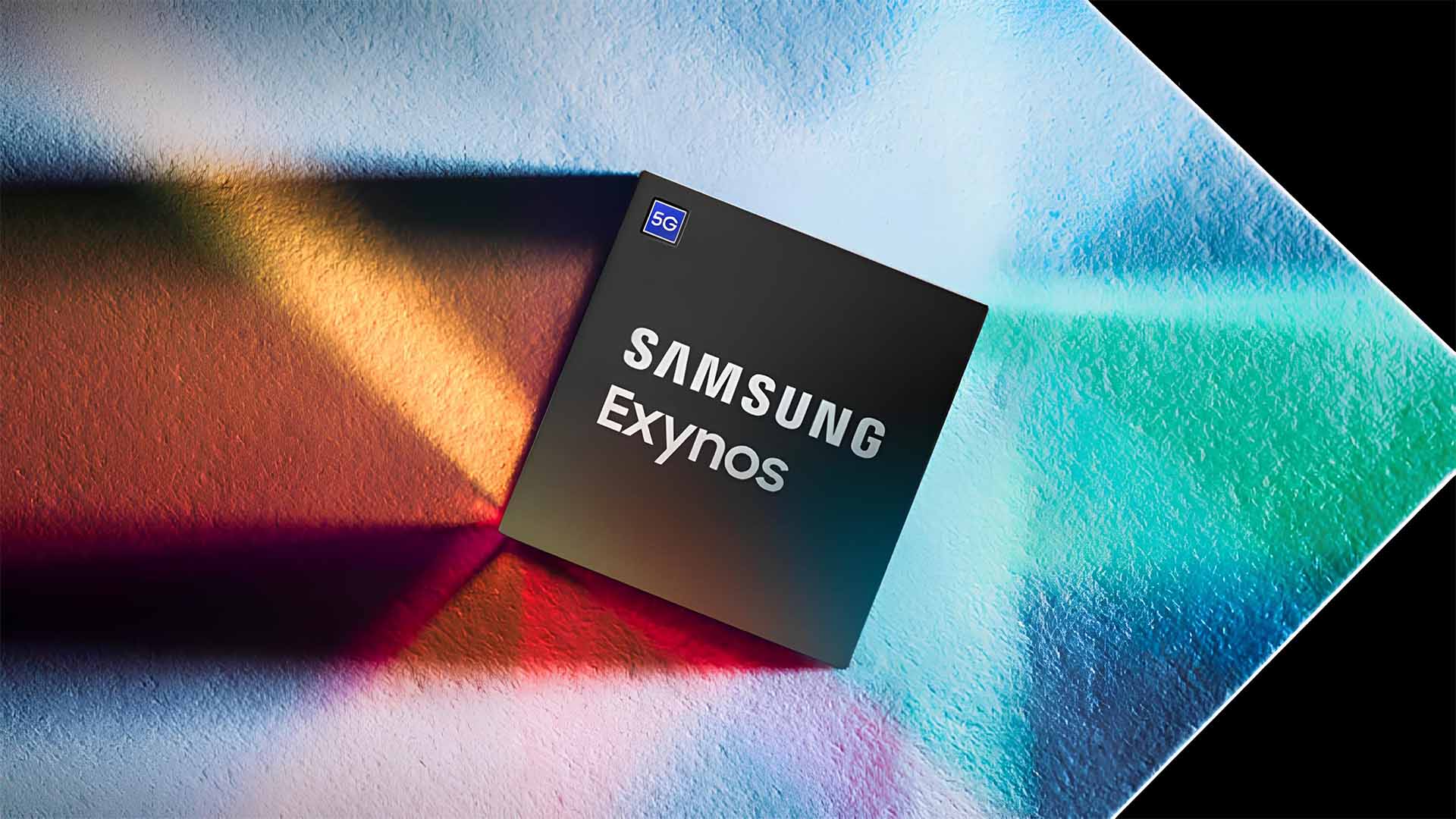
Now, according to a new report out of Korea, the company is trying to rewrite that story. Samsung has reportedly created a fresh “Custom SoC Development Team” inside its Device Solutions semiconductor division with a clear mission: design its own next-generation mobile SoCs from the ground up and go toe-to-toe with Apple and Qualcomm, rather than simply chasing them from behind.
Rumor score: promising, but far from guaranteed
This move is still in the realm of industry rumor rather than official announcement, so it deserves a measured rating rather than blind hype. Based on the information currently available, the likelihood of Samsung pushing ahead with a serious custom Exynos reboot can be judged at around 55 percent – a plausible but not yet rock-solid scenario.
- Source quality: mid-tier local reporting, not an official Samsung disclosure.
- Corroboration: limited; we are not yet seeing a broad wave of independent confirmations.
- Technical feasibility: high – Samsung has decades of SoC know-how and an existing Exynos ecosystem.
- Timeline realism: moderate – rebooting a custom architecture team is a multi-year effort, not a 2025 quick fix.
In other words, the rumor fits Samsung’s strategic needs and its capabilities, but the company still has to prove that this is more than an internal reorg with a fancy name.
From Mongoose misfire to fresh in-house ambition
Samsung has actually walked this road before. The firm once ran its own custom ARM CPU core project, known internally as Mongoose, largely based out of Austin, Texas. That team was eventually shuttered after disappointing efficiency and thermal characteristics compared with standard ARM Cortex designs. Many observers saw that decision as Samsung throwing in the towel on custom CPU work while Apple sprinted ahead and Qualcomm plotted its own architectural comeback.
Critics in the enthusiast community have not forgotten that history. Some already joke that Samsung “doesn’t really know what it’s doing” with high-end silicon and fear yet another Exynos misstep that would fuel memes about pricey “Scamdung” flagships underperforming their Snapdragon rivals. Others argue that Samsung’s top management behaves a bit like untouchable royalty, too insulated from engineering reality to make the ruthless decisions that true competitiveness demands.
That context makes the reported new team especially interesting. Rather than simply tuning ready-made ARM cores, the group is said to be tasked with crafting core CPU architecture, graphics, AI accelerators and neural processing units, plus the surrounding IP fabric. In other words, not just a spec sheet tweak, but a full rethink of what an Exynos SoC should be in the second half of the decade.
Exynos today, custom silicon tomorrow
Short-term, nothing dramatic changes. Benchmark leaks and supply-chain chatter still point to the Exynos 2600 generation leaning heavily on ARM’s latest Cortex blueprints. That is the pragmatic path while any new in-house architecture is in incubation. A realistic timeline means we are likely several product cycles away from seeing phones powered by a fully reborn custom Exynos design.
However, rebuilding a custom team now gives Samsung a shot at more Apple-like vertical integration later: silicon, displays, memory, cameras and software all tuned around a single vision, not glued together from generic parts. Done right, that can translate into better sustained performance, tighter power budgets, and unique features that competitors cannot easily clone.
Foundry muscle and an internal supply web
One advantage Samsung enjoys over many rivals is that it does not have to knock on TSMC’s door every time it wants to manufacture a new chip. The Korean giant owns its own cutting-edge foundry, which is already producing parts for demanding customers – from automotive and AI clients to cryptocurrency hardware – on advanced gate-all-around (GAA) nodes heading toward 2 nm.
If Samsung can align its custom SoC roadmap with its process technology, the company could trim both cost and time-to-market. There is no need to pay a third-party foundry for tape-out and capacity reservations on every new design, steps that cost millions of dollars before a single retail phone ships. That internal supply web, combined with Samsung’s experience building bespoke camera sensors and memory, is exactly the kind of asset a renewed Exynos program can exploit.
More than just chips for Galaxy phones
Another important angle is that Exynos does not have to stay locked inside Galaxy devices. Much like Qualcomm sells Snapdragon platforms to a long list of OEMs, a truly competitive Exynos family could become merchant silicon for laptops, tablets, connected cars, wearables and even servers. Big-name tech customers want alternatives to a purely Qualcomm-TSMC pipeline, and Samsung would love to be that second source.
Of course, the bar is high. To convince other brands – and skeptical enthusiasts – Samsung must demonstrate that its foundry can stand shoulder-to-shoulder with TSMC on yield and efficiency, while also delivering CPU and GPU performance that does not feel a generation behind Apple’s latest A-series. Until those real-world results arrive in shipping products, this new “Custom SoC Development Team” remains a bold promise rather than a turning point.
For now, the smart view is cautious optimism: Samsung clearly understands that relying forever on generic cores is a dead end, and it has the money, fabs and talent to attempt a comeback. Whether that ambition turns into a breakthrough Exynos revival or just another expensive detour is the question the next few years will answer.
2 comments
Thank you for your sharing. I am worried that I lack creative ideas. It is your article that makes me full of hope. Thank you. But, I have a question, can you help me?
Tbh I just want a Galaxy that doesn’t feel like the ‘slow cousin’ next to the Snapdragon version my friend gets 😭