Samsung’s 6G Vision: Building Smarter Networks Beyond Speed
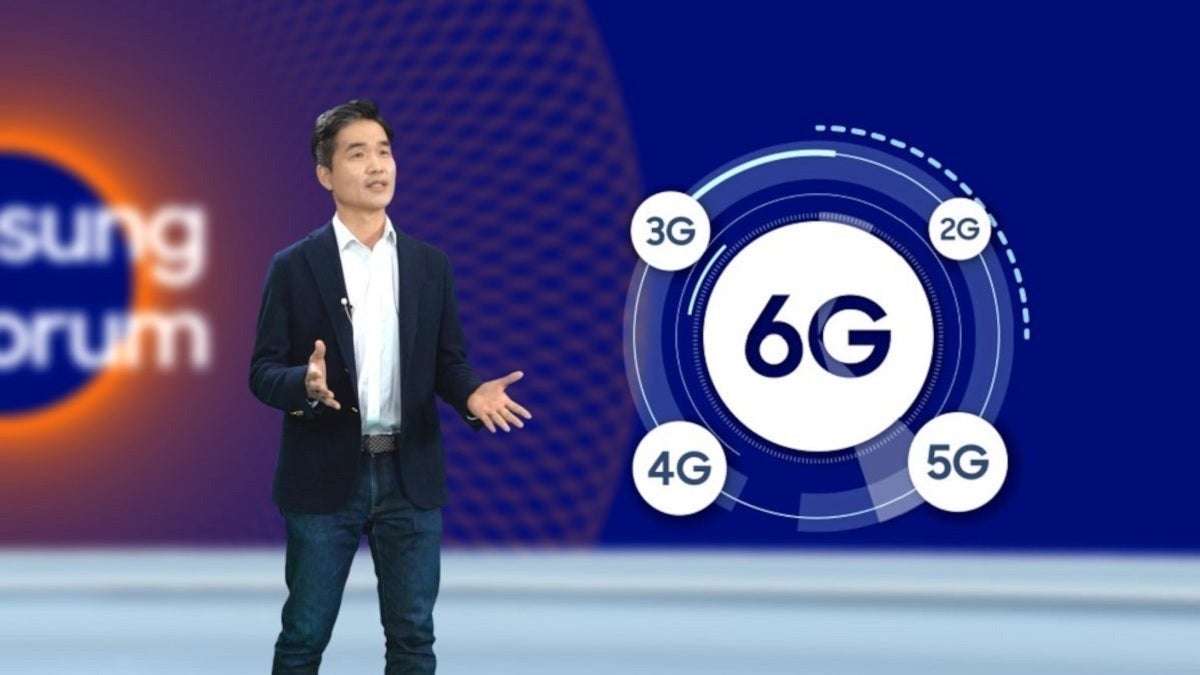
At the Global 6G Conference in South Korea, Samsung Research Fellow Lee Ju-Ho took the stage to deliver a strikingly reflective message that signals a turning point in the evolution of wireless technology. Instead of pursuing the endless chase for faster download speeds and microsecond latency improvements, Samsung is arguing for a redefinition of what connectivity means. According to Lee, 6G must correct the philosophical and practical missteps of 5G by focusing on intelligence, dependability, and tangible user benefits – rather than marketing numbers that most people never experience.
His statement – that the changes 6G will bring “cannot be expressed in numbers” – might sound abstract, but it captures a growing sentiment within the telecom industry: that connectivity needs to be more meaningful. The rollout of 5G, while celebrated in press releases and keynote speeches, hasn’t delivered the everyday revolution it promised. Coverage gaps remain significant, many devices still rely on 4G infrastructure, and the supposed benefits of lightning-fast speeds and ultra-low latency rarely reach the average user. Years after its launch, 5G remains more of a corporate talking point than a transformative force in daily life.
Samsung is attempting to write a different story this time. Its 6G roadmap centers not on spectacle but substance – prioritizing intelligence over raw speed, efficiency over waste, and reliability over hype. In short, 6G must be a smarter generation of networks, not merely a faster one.
AI: The Beating Heart of 6G
Lee Ju-Ho revealed that artificial intelligence will be the foundation of Samsung’s 6G architecture. Unlike 5G, which primarily enhanced throughput and latency, 6G will embed AI directly into the network fabric itself – what Samsung calls “AI-native networking.” This means that intelligence won’t be an external add-on but a built-in feature of how networks function and heal themselves.
Imagine a network capable of predicting signal interference before it occurs, dynamically shifting frequencies to maintain stability, or automatically optimizing power distribution based on user demand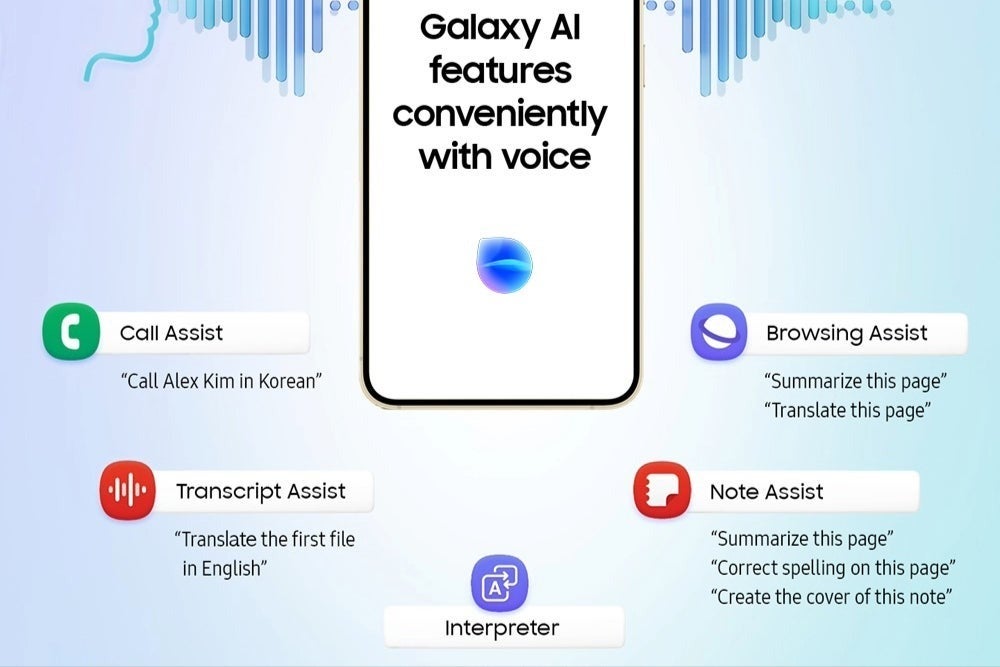
. In theory, 6G networks will be able to self-manage, self-repair, and self-improve, ensuring reliability and efficiency in real time. This is a major conceptual shift, mirroring how smartphones have evolved – from devices that simply connect users to the internet into intelligent tools that anticipate and adapt to user needs.
Samsung’s AI-first approach also ties into broader societal trends. The company envisions 6G as a platform for aging populations and automation-heavy economies. Through Integrated Sensing and Communication (ISAC), 6G networks could fuse radar-like spatial awareness with data transmission, enabling safer self-driving vehicles, smarter healthcare monitoring, and more responsive robotics. Essentially, 6G would blur the boundary between communication and perception – a network that not only connects but understands the world around it.
A Global Race With a New Philosophy
Of course, Samsung is not running this race alone. The 6G arms race is already in full swing, with global heavyweights like Qualcomm, MediaTek, and Chinese research institutions all vying for leadership. Samsung’s current partnership with Arm on an open-source project known as parallel packet processing demonstrates its pragmatic strategy: building scalable, power-efficient infrastructure that can handle the future’s massive data loads – potentially up to 1TB per second, equivalent to streaming around 30 Blu-ray movies simultaneously. But for Samsung, the goal isn’t to flaunt those numbers – it’s to make such performance sustainable and intelligent.
Qualcomm, meanwhile, has announced that 2025 will mark the beginning of official 6G standardization in collaboration with Nokia Bell Labs and Rohde & Schwarz, with an emphasis on AI-based communication protocols. MediaTek is exploring “hybrid computing,” blending device, cloud, and RAN intelligence through partnerships with NVIDIA and Intel to create adaptable, low-latency architectures.
Across the Pacific, Chinese researchers at Peking University recently showcased an all-frequency chip capable of supporting every consumer wireless band between 0.5GHz and 115GHz. This chip demonstrated 100Gbps data transfer – roughly a hundred times faster than current peak U.S. 5G speeds – showing just how advanced the 6G race has already become.
Samsung’s New Restraint: Reliability Over Hype
Ironically, what distinguishes Samsung’s 6G strategy isn’t boundless ambition but careful restraint. After years of inflated expectations with 5G, the company is clearly aware that the world no longer buys into “10x faster” slogans. Instead, Samsung is championing values like reliability, energy efficiency, and AI-driven automation – attributes that are practical, relatable, and more likely to impact everyday life.
By bringing this discussion to the Global 6G Conference, Samsung has effectively steered the narrative toward a more mature and realistic vision for the next generation of wireless connectivity. Rather than seeing 6G as another competition for performance metrics, the industry is beginning to converge on a shared theme: networks that can think, learn, and evolve in real time.
According to current forecasts, the first commercial 6G standard should arrive by 2029. But given how rapidly AI and semiconductor technology are advancing, early demonstrations could appear much sooner. When that happens, Samsung hopes to stand apart – not just for delivering fast connections, but for designing a network intelligent enough to adapt to human needs and technological challenges alike.
As Lee Ju-Ho succinctly put it, the next leap in connectivity isn’t about how fast data moves, but how intelligently the system itself can move the world forward. If 5G was about speed, 6G may well be about wisdom.