Grand Theft Employment? Protests, Leak Allegations, and the High-Stakes Fight Over Rockstar’s Workplace
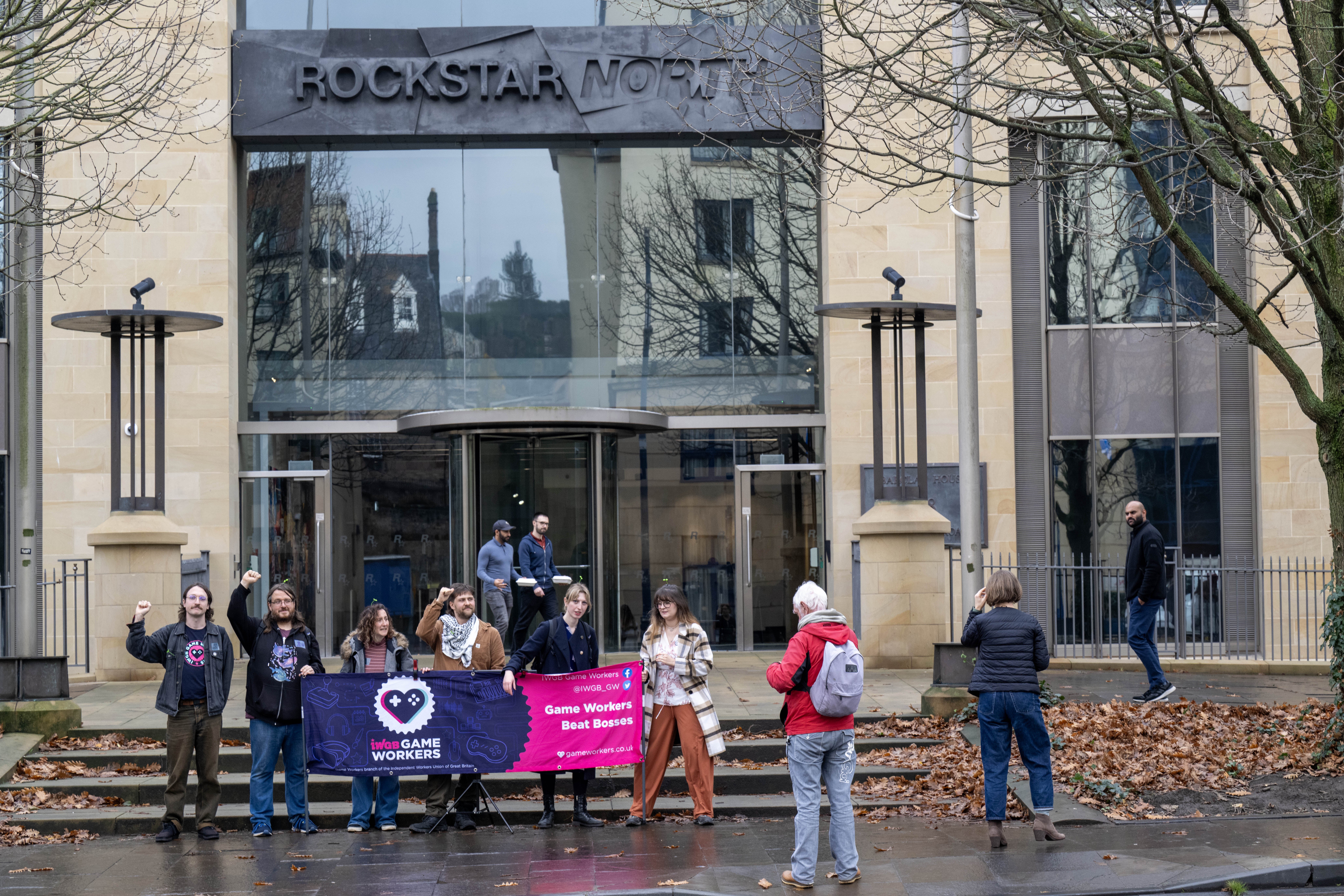
On November 6, outside Take-Two House in London and Barclays House in Edinburgh, a crowd of placards, drums, and press lenses turned the sidewalk into a stage. Former Rockstar staff fired in recent weeks gathered with the Independent Workers Union of Great Britain (IWGB) to denounce their dismissals, reject accusations of leaking company secrets, and demand reinstatement with back pay. At the heart of the dispute is a deceptively simple question with massive consequences for the games industry: where does legitimate union organizing end and a breach of confidentiality begin?
What Happened and Why It Matters
Reports indicate that between 30 and 40 UK and Canadian employees were dismissed after the company concluded they had “distributed and discussed confidential information in a public forum.” Many of those let go were active in a private union-focused Discord server. Take-Two, Rockstar’s parent, framed the moves as “gross misconduct” unrelated to union activity. The IWGB, by contrast, called the wave of terminations “blatant” and “ruthless” union busting, insisting the only non-Rockstar participants in the Discord were union organizers. That distinction – private space for protected labor conversation vs. public disclosure of secrets to non-employees – is now the hinge on which careers and reputations may turn.
The Legal Gray Zone: Organizing Rights vs. NDAs
In both the UK and Canada, workers generally hold the right to discuss pay, conditions, and unionization. At the same time, confidentiality agreements and internal policies prohibit sharing trade secrets or sensitive, unreleased material beyond authorized channels. The friction point here is less about whether staff can organize (they can) and more about how they do so and with whom. If union organizers are present in a chat that strays into restricted topics, a company can argue that sensitive information left the corporate perimeter. Conversely, if conversations were strictly about workplace rights and conditions, labor advocates will argue that dismissals are retaliatory and unlawful.
Labor lawyers will parse context: Was the Discord server genuinely private? Did discussions include details that would reasonably be considered confidential (project content, code, security protocols, vendor deals)? Were organizers bound by any confidentiality? Did management apply policies consistently or selectively to union supporters? These are questions that tribunals, not timelines, settle – and they may take months.
Voices From the Picket and the Boardroom
Protest footage featured ex-staff reading statements about losing jobs “without warning” and without an opportunity to defend themselves. Their view: colleagues used the server to support each other and understand workplace conditions, not to sabotage the game. IWGB leaders accuse management of prioritizing union deterrence over schedule stability and fan trust. They also point to the studio’s sizable tax relief in recent years as evidence public support isn’t translating into worker security.
Take-Two’s line has remained clear: the action concerned policy breaches, not union membership. That message will resonate with parts of the audience who view NDAs as non-negotiable in an era of blockbuster productions and live-service pipelines. It will also fuel skepticism among those who see confidentiality language as a convenient umbrella to drench any organizing attempt.
The Security Backdrop: After the GTA 6 Breach
Security is not an abstract talking point for Rockstar. The studio weathered a major GTA 6 leak in 2022 and the early release of its first trailer the following year. Leadership publicly called those incidents “terribly unfortunate” and pledged greater vigilance. Last year the company told staff to return to the office five days a week, citing productivity and security. For some workers, that was a broken promise; for management, a trade-off necessary to shield a generational release. When a company that has tightened its perimeter detects chat activity it believes crosses the line, it is unsurprising that enforcement arrives hard and fast.
What Counts as a “Public Forum” in 2025?
Discord – like Slack, Signal, or WhatsApp – isn’t just a chat app; it’s a legal minefield. “Private” can feel private while still being porous. If outside organizers were present and conversation strayed into restricted territory, a company might claim the forum is effectively public. Workers and unions counter that good-faith organizing requires third-party advisors, and that channels can be limited, moderated, and purpose-built. The outcome may set an informal precedent: whether “locked” digital spaces shared with non-employees can ever be safe ground for discussing anything that brushes against confidential projects.
Politics, Optics, and the Court of Public Opinion
Scottish Greens co-leader Ross Greer publicly supported the protesters, urging Rockstar to reinstate staff and negotiate. That sort of political attention keeps pressure high and puts brand optics on the line. For a studio whose crown jewel draws global headlines by its very existence, the narrative matters: if fans come to view the company as anti-worker, goodwill can erode. At the same time, many players insist security comes first and view stringent policies as the cost of protecting the surprise and scale synonymous with a GTA launch.
Will This Delay GTA 6?
Rockstar has historically said leaks haven’t altered development trajectories, and marketing for GTA 6 has been extremely controlled: two trailers, curated screenshots, and silence. The reality is that large games ship despite controversies; teams re-route, contractors fill gaps, and schedules absorb shocks. Yet morale matters. When the people who build the game march outside the office, it signals strain that any studio would rather resolve quietly. Whether through reinstatement, settlements, or attrition, the company will aim to stabilize the roadmap ahead of the expected launch window.
What Comes Next
- Unfair dismissal claims & bargaining: Some workers may pursue legal action. Even if reinstatement is rare, settlements or back pay are possible outcomes.
- Policy hardening: Expect tighter rules around third-party participation in internal chats, plus mandatory security trainings and channel audits.
- Union momentum vs. chill: Visibility could attract more organizing – or spook others into silence if they fear crossing a moving red line.
- Reputational balancing act: Every public statement now speaks to both courts: legal and fan. A misstep in either can be costly.
Bottom Line
This isn’t a neat “leakers vs. organizers” story. It’s a collision between two imperatives: the right to build collective power at work and the obligation to safeguard a multibillion-dollar product from premature disclosure. The answer won’t be found in slogans on placards or one-line press quotes; it will be hashed out in documents, logs, testimonies, and policy comparisons. However it lands, one lesson is already clear for studios and staff alike: if you organize, design the space with legal-grade guardrails; if you enforce, do so consistently and transparently, or risk galvanizing exactly the movement you hoped to deter.
For now, London and Edinburgh offered a preview of a broader question confronting creative tech: how to protect secrets without muzzling voices. That is bigger than any one company – even a company making the most anticipated game on earth.
2 comments
Boycotting? Not me, just downgrading from deluxe to standard edition out of spite lol. Tiny protest, big wallet energy. 😅
They signed NDAs, folks. If you splash work info in a Discord with outsiders, that’s on you. Union rights ≠ free pass to leak. 🤷