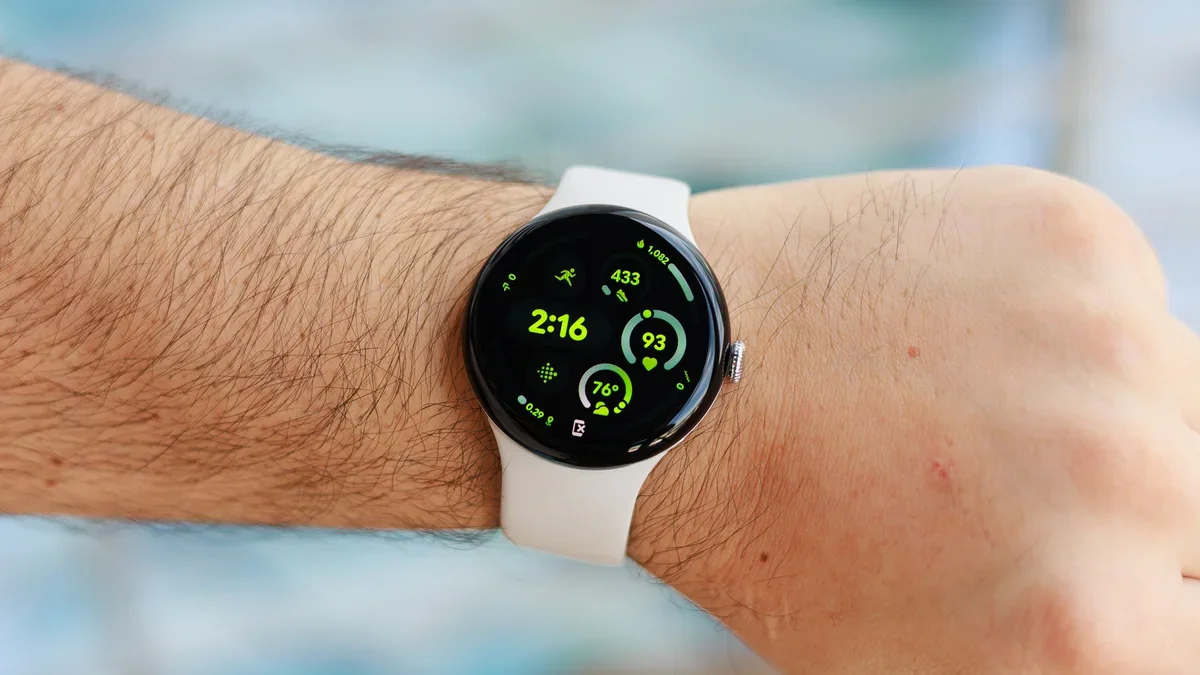
Pixel Watch is gearing up to screen for hypertension – here’s what Google’s new Fitbit study could unlock
Your smartwatch may soon flag something your doctor actually cares about. Google is preparing a Fitbit Hypertension Study that uses the Pixel Watch’s everyday sensors to look for signs of elevated blood pressure. It isn’t a live feature yet, but the groundwork appearing in recent Fitbit software points to a serious push: recruiting volunteers, collecting real-world data at the wrist, and testing whether a watch can reliably surface hypertension risks without turning your living room into a clinic.
How the study is expected to work
The program is opt-in and research-oriented. Prospective participants complete a short questionnaire, then – if selected – go about their normal routines while the Pixel Watch quietly gathers sensor streams in the background. Google warns that this heavier data collection may trim battery life, a reasonable trade-off when the goal is building health algorithms robust enough to matter outside a lab.
Some volunteers will be randomly assigned a gold-standard check: wearing a dedicated ambulatory blood pressure monitor for 24 hours. After returning the device, they’ll receive a modest $50 stipend. That noisy, clinical-grade data gives researchers a reference to evaluate what the watch sees during movement, work, sleep, and the messy, unscripted moments where health actually happens.
Why hypertension screening on a watch matters
High blood pressure is famously silent until it’s not. Routine screening helps, but clinic snapshots can miss real patterns, and home cuffs don’t always become habits. Wearables excel at passive, long-term trends. A wrist device that flags potential hypertension could nudge someone to get a proper diagnosis sooner, support medication follow-ups with trend lines, and help clinicians spot white-coat or masked hypertension that a single appointment cannot reveal.
Importantly, screening is not the same as diagnosis. Expect language around indications and likelihood rather than precise systolic/diastolic numbers. The win here is earlier awareness: a gentle “this pattern looks elevated, talk to your clinician,” not a replacement for a cuff or a prescription.
How Google’s approach compares
Wear OS has lacked a marquee, out-of-the-box hypertension story. Samsung’s Galaxy Watch can measure blood pressure, but it requires periodic calibration with a separate cuff, adding friction that many users simply skip. Apple has moved in a different direction: watchOS 26 introduces hypertension notifications on Apple Watch Series 9, 10, and 11 that highlight 30-day patterns without giving a specific reading. Google appears to be chasing a similarly integrated, lifestyle-friendly model – prioritizing continuous signals and statistical patterns gathered from normal wear rather than clinic-style spot checks. If Google can minimize calibration and keep the experience effortless, Pixel Watch could stand out in a crowded field.
What success would look like
A best-case rollout would turn the Pixel Watch into a reliable early-warning partner: passive trend detection, clear explanations, and sensible prompts to verify with a cuff or see a clinician. Inside the Fitbit app, users would likely see multi-week views, context (workouts, stress, sleep), and educational guidance on what affects blood pressure – hydration, diet, medication timing, and even poorly fitting bands.
For clinicians, the value is longitudinal context. A patient who shows up with months of wrist-derived trend flags is easier to triage than one who brings a single clinic number. Even false positives have value if they steer people toward definitive measurement sooner.
Challenges, caveats, and the fine print
Cuffless estimation is hard. Motion artifacts, skin characteristics, tattoos, ambient temperature, and band tightness all affect optical signals. Battery life can suffer when sensors and analytics run more frequently. And any feature that resembles a medical claim typically attracts regulatory scrutiny. Expect careful wording, staged availability, and clear disclaimers that the watch provides insights, not diagnoses.
Privacy also matters. Research participation means sharing health data under study terms; users should be able to opt out, review what’s collected, and understand how anonymization works. Google’s Fitbit stack already offers granular controls, but transparency will be essential if this grows beyond a study into a widely available feature.
The bigger picture for wearables
Smartwatches have long since nailed notifications and fitness basics; true differentiation now lives in health. Blood pressure is a logical frontier because the wrist is always with you, and because hypertension is both common and consequential. If Google converts this research into a polished experience, the Pixel Watch may evolve from a good Wear OS accessory into a meaningful health companion – one that complements your physician rather than trying to be one.
Bottom line: it’s early days, and volunteers will feel the rough edges (extra battery drain, gear returns). But if the study validates what Google is building, Pixel Watch owners could gain a powerful new kind of signal – quiet, continuous, and potentially life-changing when it whispers at the right time.
2 comments
If it needs no calibration, that’s a win over Samsung tbh
$50 to wear the cuff for a day? easy money and maybe better health lol