Google’s Pixel lineup has once again found itself in the middle of a frustrating Beta mishap. The company rolled out Android 16 QPR1 Beta 3.1 as the final test build before the September Quarterly Platform Release (QPR). This Beta version was supposed to serve as a bridge for users who wanted to opt out of the program and return to the stable channel without erasing their devices. In theory, once Google released the stable September QPR build, Beta users who clicked “Opt Out” on the Android Beta website would seamlessly jump onto the stable train. 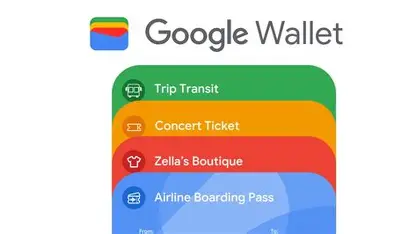
In practice, however, many Pixel owners remain stranded on Beta 3.1, stuck with broken features and no way to move forward unless they wipe their phones.
To make matters worse, some of the most essential apps on Android are refusing to cooperate. Google Wallet and Google Pay are at the top of that list, essentially locking out affected users from contactless payments. Opening Wallet triggers a jarring warning: “Your device doesn’t meet security requirements. This device may be rooted or running uncertified software.” In everyday terms, it means you can’t pay with your phone, even if the hardware is perfectly fine. For people who rely on tap-to-pay during their commute or grocery runs, the issue is more than an annoyance – it’s disruptive to daily life. VPN by Google, another Pixel-exclusive perk, is also rendered useless on QPR1 Beta 3.1. Instead of routing traffic securely, it throws an error saying the feature isn’t available for the account.
Google has yet to provide a direct solution. The stable QPR1 build was released weeks ago, but for reasons still unclear, not all Beta users received it after opting out. Rumors circulating among Android enthusiasts suggest that the company might delay a fix until the October 2025 security patch. If true, this means users could be stuck for weeks with crippled functionality, unable to use critical apps unless they perform a dreaded factory reset. For Pixel fans, this runs counter to the image of simplicity and reliability that Google has long tried to cultivate.
The frustration is palpable on forums like Reddit. One Pixel 9 Pro owner described the ordeal bluntly: “Help, I’m on Beta 3.1, opted out and waiting for stable, but Google Wallet says my device doesn’t meet security requirements. I can’t pay at all. Play Protect passes, but third-party integrity checks fail.” Others echo the same story – Google Wallet refusing transactions, VPN locked, and no official timeline for relief. Some users admitted they were caught off guard in embarrassing situations. “Literally happened to me at a gas station,” one person vented, explaining that they had to dig through the car for a physical card after Wallet failed.
In a broader context, the issue highlights how Google’s Beta program, while designed for enthusiasts and developers, often attracts everyday users who just want early access to new features. The company’s quarterly updates – better known as Pixel Feature Drops – are one of the biggest perks of owning a Pixel phone. These bundles deliver not just bug fixes but also new capabilities, from camera improvements to AI-driven utilities. Yet being left stranded on a half-baked build undermines the very idea of the Beta program as a safe sandbox. Instead, it turns into a risk that average users may not fully understand when they hit the “Join” button.
For context, the September QPR1 was just the start. Google still plans QPR2 in December and QPR3 in March 2026, keeping the cadence of three feature drops per year. Android 16 itself only launched in June 2025, and Android 17 is already on the horizon for next summer. Eligible devices range from the latest Pixel 10 series all the way back to the Pixel 6 family, with varying support windows stretching as far as 2032 for the newest models. For now, though, support longevity doesn’t help the Pixel 6, 7, 8, or 9 owners who are unable to use mobile payments or VPN due to one unfortunate Beta misstep.
Some users speculate that Google’s tightening of software security checks is partly to blame. A commenter wondered if the company is locking down features like Wallet to combat side-loading or uncertified software environments. While that may enhance long-term security, it leaves legitimate Pixel owners in a bind when official updates misfire. In effect, the system treats them as if they were running custom ROMs or rooted devices, even though they are simply following Google’s own Beta process.
Until Google provides a fix – whether through a silent patch, a reissued stable update, or the October security roll-out – users stuck on QPR1 Beta 3.1 face tough choices. Either they endure weeks without Wallet and VPN, or they bite the bullet and factory reset to rejoin the stable channel. Neither option is attractive, especially when the promise of the Beta program was supposed to make testing painless. For a company that champions smooth, user-friendly experiences, this Beta fallout is a reminder that even Google sometimes stumbles when balancing innovation with stability.
1 comment
same here on my pixel 9 pro, vpn is just dead says not available for this account