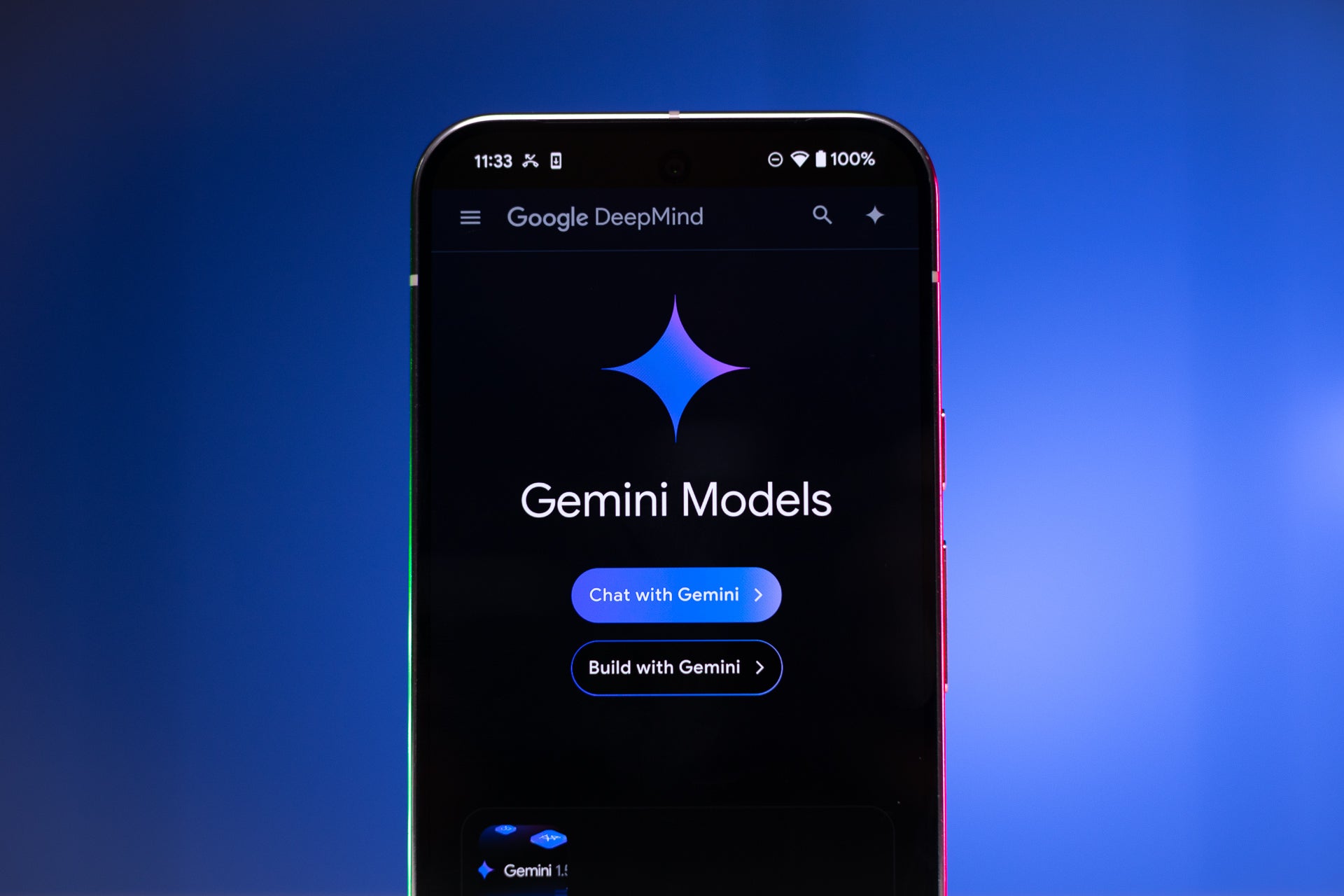
Pixel 10’s breakout year: why Google’s newest phone finally rattles Apple and Samsung
We’ve grown numb to headlines about blockbuster iPhone launches. The iPhone 17 selling briskly is expected. What’s new – and genuinely interesting – is that Google’s Pixel 10 family is no longer a boutique curiosity. September marked a turning point, with Pixel sales jumping a record 28% year over year. For a line once dismissed as Google’s “hardware hobby,” that’s a market signal: the Pixel is no longer a demo device for Android ideas; it’s a product with momentum.
From side project to serious contender
For years, Pixel was the purist’s phone: beautiful software, stellar photos, modest market impact. That image is cracking. The Pixel 10 and Pixel 10 Pro deliver the kind of consistent, everyday excellence that wins normal buyers, not just enthusiasts. The design language – calm, confident, and recognizably Pixel – has matured into an identity. Whether you think others are influenced by it or not, the result is the same: Google now sets trends instead of chasing them.
Design debates inevitably spiral into who-copied-whom discourse. Some will insist Google borrowed from Apple; others will point out the reverse. Either way, the consumer truth is simpler: the Pixel 10 looks premium, feels balanced in the hand, and wears its camera bar like a badge. People notice it on a desk. That matters.
Hardware good enough, cameras still special
Smartphone success starts with fundamentals. The Pixel 10 series nails them. Displays are bright and color-true, haptics are precise, and battery life is comfortably all-day for most users. But the franchise advantage remains the camera system. Google has spent years perfecting computational photography; the Pixel 10 Pro XL continues that lineage with one of the most versatile shooters you can buy. Is it the absolute top in every category? No. In our ranking of heavyweights, the Galaxy S25 Ultra and iPhone 17 Pro Max edge it in certain scenarios. Yet the Pixel delivers a coherent, confidence-inspiring camera experience, and the new AI-enhanced 100× Super Res Zoom is the showpiece – usable, not just a spec-sheet parlor trick.
That last part is key. Plenty of phones tout eye-watering zoom numbers. The Pixel 10’s super zoom is actually worth using: stabilized, intelligently denoised, and color-consistent with the main lens. It’s the kind of feature that creates word-of-mouth because it saves a moment you would’ve otherwise missed.
The Tensor question: performance vs experience
If there’s a lingering asterisk, it’s the Tensor G5 chip. On raw benchmarks, it trails the fastest silicon from Apple, Qualcomm, and MediaTek. Spec hounds wince. But the everyday story is different. The Pixel 10 Pro XL is zippy in real life: apps launch quickly, camera processing is swift, and the UI stays smooth. More importantly, the silicon is optimized for on-device AI. Tensor’s margins on synthetic tests don’t define the product; the experience does. For the average buyer, Geekbench is a trivia night topic, not a purchase driver.
AI you can actually use – today
Google’s secret weapon is not a secret at all: Gemini is already baked into the phone in meaningful ways. Summarize a long voicemail, clean up background noise in a clip, reframe a group photo without turning it into a Picasso – all of it feels practical rather than gimmicky. That’s where the competition is vulnerable. Apple has teased Apple Intelligence and a smarter Siri, but the most transformative pieces are still in rollout or rumor. Meanwhile, Gemini is not only on Pixels; it’s available cross-platform. Use it on an iPhone and you inevitably wonder: if this is good here, what’s it like on Google’s own hardware with tighter integration?
This framing matters for mainstream adoption. AI can be splashy or subtle. The Pixel 10 leans into the subtlety that sticks: fewer steps, cleaner outcomes, and tools that don’t demand a tutorial. Good AI fades into the background while making you feel like a better photographer, editor, organizer, and communicator. That’s a moat.
Marketing that lands, distribution that works
Credit where due: Google finally paired a strong product with smart marketing. The campaign has personality – playful jabs at Apple included – but more crucially, it demonstrates features that regular people understand in five seconds. Show, don’t tell. Complementing that, Google has widened retail presence and leaned into carrier partnerships and trade-in deals. In a market where most phones are purchased through carriers and big-box stores, these basics determine who wins shelf space – and mindshare.
Some observers argue Pixel’s surge rides on promotions. Partly true, and that’s the point. Momentum is a flywheel: better product drives better marketing, which unlocks better carrier placement, which exposes more buyers, which justifies the next round of investment. Promotions get you to the conversation; the product keeps you there. The Pixel 10 finally does both.
Who should worry – Apple, Samsung, or both?
Apple has two near-term headaches. First, the narrative. iPhone 17 is excellent but familiar, and Apple’s AI story is developing rather than delivering. Second, switcher risk. While iPhone loyalty is famously high, tech-curious users want the new again – especially if AI becomes the baseline expectation for every digital task. The Pixel provides that “something different” without feeling risky or rough.
Samsung faces a subtler problem. Its users already live in Android. For them, trying a Pixel is a lighter leap than crossing the iOS moat. If Samsung’s annual updates feel incremental, Google’s AI-first proposition could peel off enthusiasts and camera-centric buyers at the edges – the exact customers who influence friends and family.
None of this means Apple or Samsung stumble tomorrow. It does mean they now have to calibrate against a stronger third option in the U.S. and beyond. In a mature market, even a few points of share moving over time change the competitive math.
What could slow Google down
- Silicon parity: Tensor must keep closing the raw performance gap while maintaining AI efficiency. Enthusiasts forgive second place, not fourth.
- Software reliability: Pixels have built a reputation for clean Android. That has to continue – quickly patched bugs and stable updates are part of the brand promise.
- Pricing discipline: Aggressive trade-ins work, but list prices creep. If Google wants to convert the curious, the value story must remain sharp.
- Ecosystem glue: Cross-device continuity – from laptops to home devices – needs to feel as seamless as Apple’s best flows. It’s improving; it must be irresistible.
The bottom line
The Pixel 10 isn’t just “good for Google.” It’s good, period – a polished phone that wraps top-tier cameras, practical AI, and a confident design into a package regular buyers can understand. The 28% September surge wasn’t a fluke; it was the first visible sign of a strategy cohering. If Google repeats this formula – shipping useful AI before the press conference ends, turning marketing into demos, and keeping Tensor’s trajectory pointed up – the Pixel will keep gaining ground.
Apple and Samsung won’t cede their thrones. But for the first time in a long time, there’s a credible third storyline at the top of the market – and it’s spelled P-I-X-E-L.
1 comment
Sales spike ain’t magic – carrier promos + store visibility = normies actually see the phone. Keep that up and it snowballs