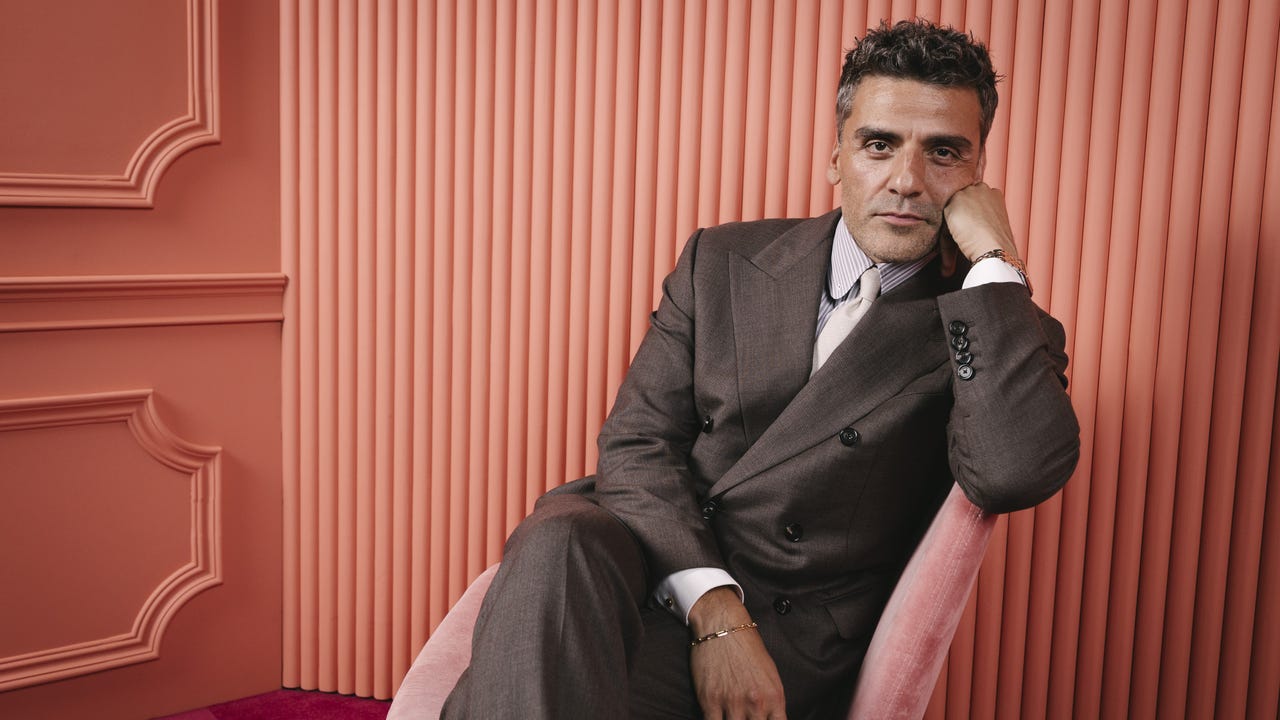
Oscar Isaac says he’d talk Star Wars again – if Disney proves it won’t “succumb to fascism.” The remark landed during a volatile week for the company and instantly reignited an old debate: where storytelling ends and politics begins.
In a recent GQ interview conducted while ABC briefly benched late-night host Jimmy Kimmel, Oscar Isaac recalibrated his once-warm stance on returning as Poe Dameron. Only weeks earlier he’d sounded game – provided there was “something good to do.” This time he added a sharper condition: he’s open to a galaxy far, far away if the studio can “figure it out” and not slide toward what he called fascistic tendencies. The phrasing was provocative by design, and the timing – amid a flashpoint suspension that set off boycotts, celebrity statements, and whiplash reversals – made it impossible to hear as anything but a commentary on power, pressure, and who gets to speak.
Isaac’s line isn’t a manifesto so much as a litmus test. When artists use the f-word in 2025, they’re rarely referencing a textbook ideology; they’re warning about creeping conformity: top-down edicts, speech that’s greenlit or punished depending on the moment, and risk-averse decision-making that flattens art into corporate messaging. Whether you agree with his framing or not, the underlying plea is easy to decode: if he comes back, he wants room for challenging stories – and a workplace that protects dissent rather than punishes it.
The Kimmel episode became the accelerant. ABC’s swift suspension, noisy backlash, and then quick return showcased the new cycle of platform politics: outrage, metrics panic, course correction. For many viewers it read as corporate spasms rather than principle. That’s the context in which Isaac’s caution lands. He’s not only judging scripts; he’s judging an ecosystem.
Fans split on the messenger – and the message
The reaction is predictably polarized. One camp argues Isaac was never the problem in the sequels – writing was. They remember Poe as a charisma engine trapped in confused arcs and contradictory leadership beats, and they point to Isaac’s range in other films to prove he can carry nuance when the material meets him halfway. Another camp says the trilogy burned goodwill so thoroughly that no cast reunion could fix it without a wholesale rethink: stronger scripts, coherent world-building, a plan that sticks.
There’s also fatigue. A large slice of the audience is exhausted by politics crowding the frame. They miss when space opera felt like escape rather than a proxy battlefield for the culture war. To them, slinging labels – whether “fascist,” “woke,” or anything in between – turns every press tour into trench warfare. They want connection over condemnation.
Others push back in the opposite direction: if corporations can mute or punish speech when it’s inconvenient, artists should talk about it. And they note that Disney isn’t unique. Across Hollywood, ownership changes and brand-safety reflexes have chilled shows, journalists, and creators. The question these viewers ask is simple: Can blockbuster entertainment protect creative independence while still being, unapologetically, a business?
What a return would actually require
On the practical side, Lucasfilm’s next phase is already gesturing beyond the sequel era while keeping doors ajar. A new Jedi Order project centered on Rey has been discussed publicly. The Mandalorian & Grogu is headed to cinemas, and other features are percolating. None of that precludes a Poe comeback; it just raises the stakes. If Isaac returns, the bar is higher: give him a story with propulsion rather than posturing, leadership dilemmas that feel earned, and a role that does more than quip and pivot.
There’s a second bar too: culture. The creative environment would need to convince skeptical talent and skeptical fans that decisions are being made for the health of the story, not to appease whichever faction yells loudest on a given Tuesday. That’s not about being apolitical; Star Wars has always carried politics. It’s about refusing reductive politics – the kind that treats characters as press releases.
The word that detonates
Some readers bristle at Isaac’s language. They argue that tossing around “fascism” dilutes a term with grave historical weight, especially for people who endured the real thing. The counter-argument: language evolves, and the point here is a red flag about authoritarian reflexes inside massive companies whose decisions shape culture worldwide. Wherever you land, the discomfort is telling. It means the audience still cares deeply about how these stories are made – and who gets to make them.
If there’s a path forward, it likely looks boring on the surface and radical in effect: better scripts, fewer corporate mood swings, public defenses of creative freedom that don’t evaporate with the next spreadsheet wobble. Isaac didn’t slam the door. He set a condition that many viewers, whatever their politics, might quietly share: bring back the sense of discovery. Protect the messy conversation that makes art worth arguing about. Do that, and a fighter pilot might just find his way back to the cockpit.