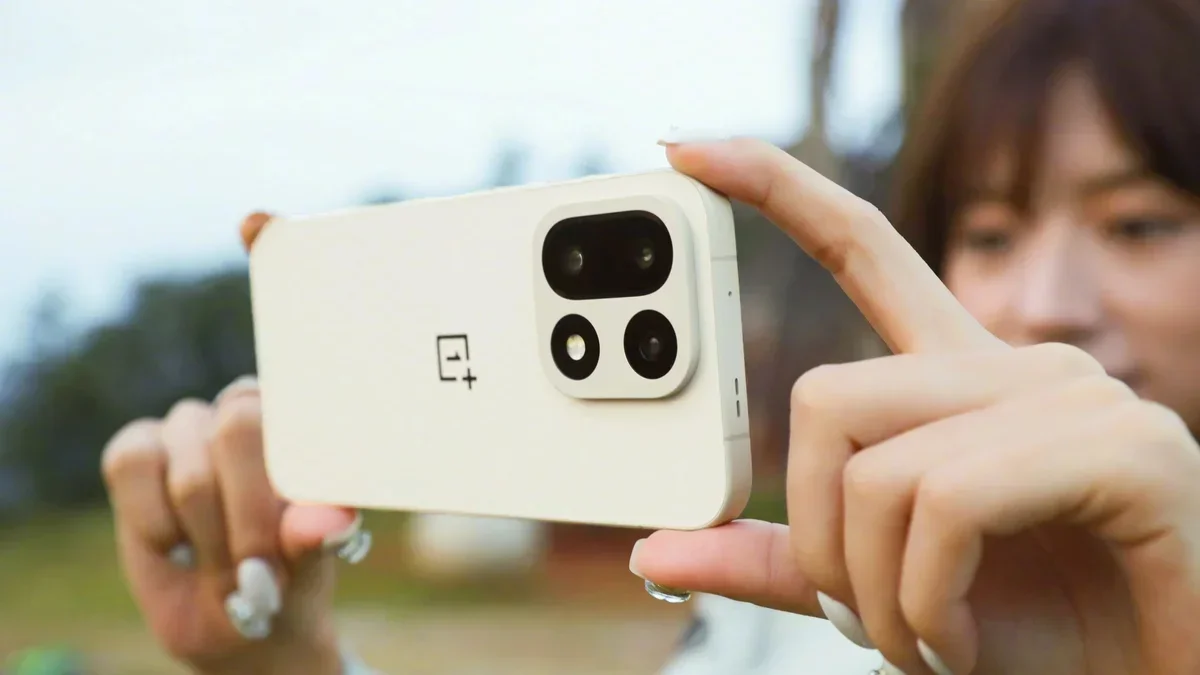
OnePlus 15T: the compact flagship rumor keeping small-phone dreams alive
If you’re one of the holdouts who still loves phones that don’t feel like a tablet, the latest OnePlus rumor will sound like music. Fresh off the Chinese debut of the OnePlus 15 and ahead of its broader rollout, whispers point to a second flagship in the pipeline – a deliberately smaller model that follows the playbook of the 13T and 13s. If naming stays tidy, expect it to be called OnePlus 15T in China, with the possibility of a 13s-style label elsewhere, depending on regional strategy.
The headline claim is simple: a “small-screen” flagship arriving in the first half of 2026. In modern Android terms, that translates to a flat 6.31-inch display – compact not because it’s tiny in absolute terms, but because the mainstream has crept up to 6.7–6.9 inches. The rumored panel is said to be 1.5K resolution on LTPS, framed by thin, symmetrical bezels. That choice is telling. LTPS panels are generally power-efficient and affordable, while 1.5K offers a noticeable sharpness bump over 1080p without the battery tax of full 1440p.
Under the hood, the chatter points to Qualcomm’s next big mobile platform – often referenced as Snapdragon 8 Elite Gen 5. If that lands, it would align with OnePlus’ habit of pairing its T-series or region-specific variants with the most current silicon. IP68 dust and water resistance is also in the cards, a welcome baseline for anyone who worries about rain, pools, or clumsy coffee spills.
The most eye-raising rumor, however, is the battery: OnePlus is reportedly testing capacities north of 7,000 mAh. If true, that’s an ambitious number for a device trying to stay relatively hand-friendly. Engineering such a pack would demand careful weight distribution and thermal management, and it would immediately spark questions about charging. OnePlus has a track record of aggressive wired speeds, so it’s reasonable to expect something brisk here – even if final wattage remains unknown. The trick will be balancing stamina with heft; a battery this large can turn a compact idea into a dense brick if not executed cleverly.
Camera details remain a blank slate. Historically, OnePlus leans on large primary sensors, clean color science, and the company’s established processing pipeline, with telephoto and ultrawide filling out the triangle. Until hardware and sensor specifics surface, the safest assumption is a pragmatic flagship setup tuned to compete in the price band rather than chase spec sheet extremes.
That brings us to the word that fuels endless debates: compact. In 2025/2026, a 6.3-inch phone is “small” only because everything else got big. Measured against giants like 6.78-inch slabs, 6.31 inches can feel refreshingly one-handable, especially with flat sides and tight bezels. But it is not truly small in the historical sense of 5.0–5.8-inch phones. It’s a compromise class: pocketable enough for jeans, large enough to offer comfortable typing, media, and gaming without constant squinting.
The bigger strategic question is availability. The 13T story frustrated a lot of fans because the most compact flagship-class OnePlus was effectively gated by geography – China first, then a similar 13s that never really broke out of India. If the OnePlus 15T repeats that formula, the global small-phone audience remains underserved. On the flip side, a genuine worldwide launch could let OnePlus own a niche that larger rivals sometimes ignore: premium Android hardware in a size that doesn’t demand two hands.
But do people actually want smaller phones, or do they just like the idea of them? Online commenters frequently pine for pocket-friendly handsets, yet retail reality says big screens sell. They make video better, keyboards bigger, and spec sheets look impressive. Where the 15T could thread the needle is by pairing a slightly smaller footprint with outsized endurance. A high-efficiency LTPS display, top-tier chipset, and a 7,000 mAh–class battery (if it ships) would appeal to a different kind of power user – the one who values run time over screen acreage and prefers a device that disappears in a pocket.
If the rumors hold, the OnePlus 15T is shaping up as a contrarian flagship: flat panel rather than curvy glam, balanced dimensions over billboard size, and a focus on durability and battery rather than headline-grabbing camera zoom numbers. It won’t convert everyone who lives for giant screens, but it doesn’t have to. It only needs to win the hearts (and hands) of users who are tired of finger gymnastics, who want all-day power without a battery pack, and who still believe comfort is a spec worth chasing.
Bottom line: this is one of the few rumored Android flagships trying to redraw the “small” boundary without feeling compromised. If OnePlus takes the final step and launches it globally, the 15T could become the de facto recommendation for people who ask for a premium Android phone that doesn’t feel oversized – proof that compact can still mean capable.
1 comment
Still 6.3 inches isn’t small… it’s just not huge. Marketing wins again