The OnePlus 15 arrives with a very clear mission: prove that it can finally stand shoulder to shoulder with the big name every Android camera comparison always circles back to, the Samsung Galaxy S25 Ultra. On paper both phones promise serious photography chops, but this year the story is not just about megapixels. 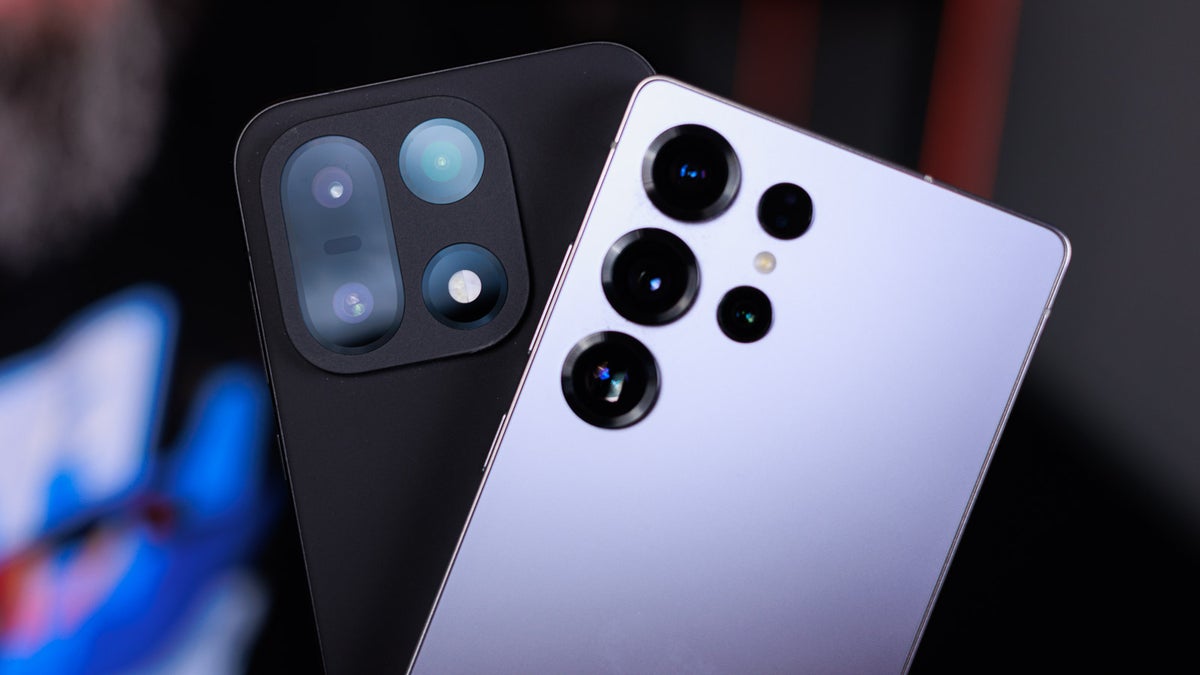
It is about tone, processing style, zoom reach, night performance and whether OnePlus can carve out its own recognizable look after cutting ties with Hasselblad.
The first thing you notice is the design shift. OnePlus abandons its trademark circular camera module and moves to a rectangular island that looks much closer to what we see on mainstream flagships. Some will miss the unique styling, but the back of a phone is only interesting until you open the camera. What really matters is what the sensors and lenses do once light hits them – and here things get much more nuanced than a quick specs sheet glance might suggest.
Main camera hardware: 50 MP vs 200 MP, but not that simple
The OnePlus 15 relies on a 50 megapixel main camera with optical image stabilization and phase detection autofocus. It sits behind an f/1.8 lens with a 24 millimeter equivalent focal length, and the sensor measures 1/1.56 inch with 1.0 micron pixels. The Galaxy S25 Ultra counters with a headline grabbing 200 megapixel sensor (Samsung ISOCELL HP2), also stabilized and backed by laser and phase detection autofocus. Its lens is slightly brighter at f/1.7, also 24 millimeters, on a larger 1/1.3 inch sensor with 0.6 micron pixels before binning.
In plain language, Samsung packs more pixels on a larger surface, which allows very detailed 12 MP or 50 MP binned shots, while OnePlus keeps resolution modest but pixels relatively large. In our side by side daytime samples, this translates into a difference in micro detail and noise handling more than a radical gap in visible sharpness. The Galaxy tends to preserve ultra fine texture like distant foliage or writing on signs just a bit better when you zoom in, but the OnePlus 15 is impressively close and often delivers a cleaner, more relaxed look without that crunchy oversharpened feel some users dislike.
Daylight photos: contrast versus consistency
When shooting in good light, both phones are very capable. The Galaxy S25 Ultra leans towards a classic Samsung rendering: punchier colors, higher contrast and slightly brighter exposures. Skies pop in a deep blue, greenery looks saturated and images feel instantly social media ready. The OnePlus 15 goes for a more restrained color profile with a warmer white balance and a gentler contrast curve. Skin tones in particular often look more natural on the OnePlus, though in some scenes the phone can underexpose shadows a touch, making images feel less dramatic at first glance.
Dynamic range is excellent on both, but they solve high contrast scenes differently. Samsung aggressively lifts shadows and protects highlights, which sometimes leads to a mildly HDR-looking effect with halos around bright edges. OnePlus is a little more conservative, keeping highlights slightly brighter and shadows a bit deeper, which can actually make scenes feel closer to how your eyes saw them. If you prefer a vivid, cinematic punch straight out of the gallery, the S25 Ultra still has the edge. If you value a more natural base you can tweak later, the OnePlus 15 is surprisingly satisfying.
Ultra-wide cameras: similar on paper, different personalities
Both phones ship with 50 megapixel ultra-wide cameras, but they are not identical twins. OnePlus uses a 16 millimeter equivalent lens at f/2.0 on a 1/2.88 inch sensor with 0.61 micron pixels, while Samsung relies on a Samsung JN3 sensor with 0.7 micron pixels and a slightly brighter f/1.9 aperture. In daylight, the two are very close in sharpness. The S25 Ultra keeps a small advantage near the corners, where text and textures remain a bit crisper, while the OnePlus 15 can soften ever so slightly.
Color consistency between the main and ultra-wide cameras is where OnePlus has made real progress. The OnePlus 15 now matches white balance and contrast between lenses much better than older generations did, so switching from the main camera to ultra-wide no longer looks like changing phones. Samsung still has the most polished overall experience, but the gap is narrow enough that many users might never notice it outside of direct comparisons.
Zoom system: OnePlus fights back with larger sensors
Zoom is where the spec sheets start to look particularly interesting. The Galaxy S25 Ultra continues its multi-camera zoom strategy with a 3x telephoto using a 10 megapixel Sony IMX754 sensor, optical image stabilization and an f/2.4 lens at about 67 millimeters. OnePlus replies with a 50 megapixel 3.5x periscope telephoto, stabilized and equipped with an f/2.8 lens at 80 millimeters on a 1/2.76 inch sensor with 0.64 micron pixels. On top of that, OnePlus adds another 50 megapixel periscope at 5x (approximately 111 millimeters) using a Sony IMX854 sensor, f/3.4 aperture and a 1/2.52 inch sensor.
The result is a very competitive zoom story. At 3x to 4x, the S25 Ultra often delivers slightly cleaner detail thanks to its dedicated 3x lens and mature processing pipeline, but the OnePlus 15 is not far behind and sometimes wins with richer textures due to its higher resolution 3.5x camera. At 5x and beyond, OnePlus clearly benefits from the dedicated 5x module. Fine patterns on buildings, window frames and distant signage stay well defined, while Samsung leans more heavily on digital processing. If telephoto shots at longer ranges matter to you, the OnePlus 15 has unexpectedly become one of the most attractive options.
Night and low light: brighter versus more restrained
As the sun goes down, both phones switch into various flavors of night mode. The Galaxy S25 Ultra favors brighter exposures and more aggressive noise reduction. Night cityscapes are rendered with punchy lights, bright shadows and very little visible grain, but some fine detail can be smeared in the process. The OnePlus 15 once again shoots for a more balanced, slightly darker look that preserves atmosphere. Street lamps glow without blowing out as easily and textures on walls or pavement remain intact, though a bit of luminance noise is often visible if you zoom in.
The ultra-wide and telephoto cameras show the biggest differences. Samsung keeps ultra-wide night shots decently bright but often soft; OnePlus accepts more noise but keeps lines and details better defined. On the long telephoto, the OnePlus 15 is simply more convincing in many night scenes, pulling out readable detail from distant objects where the S25 Ultra starts to look blurry or watercolor-like.
Selfies and portraits: which one flatters you more
On the front, the OnePlus 15 offers a 32 megapixel selfie camera, while Samsung equips the S25 Ultra with a 12 megapixel front shooter with autofocus and HDR support. Resolution alone does not tell the story; both phones produce sharp selfies with good skin detail. Samsung tends to smooth faces more aggressively by default, even with beauty effects toned down, and prefers cooler tones. OnePlus keeps more texture in skin and hair and opts for warmer colors that many people describe as healthier looking.
Portrait mode is strong on both, with good subject separation and pleasing background blur. The Galaxy S25 Ultra can create more dramatic bokeh thanks to its processing, but the OnePlus 15 often nails exposure on faces more reliably, especially in tricky backlit scenes.
Verdict: choosing between two camera philosophies
So, which camera wins the OnePlus 15 versus Galaxy S25 Ultra showdown? The answer depends less on raw power and more on what kind of photos you enjoy. Samsung still leads in one shot wow factor: brighter, punchier images that grab attention immediately on a phone screen, plus rock solid autofocus and a very polished camera app. OnePlus, however, now offers a genuinely compelling alternative. Its main camera color science is more natural, its zoom system is surprisingly strong at mid and long ranges, and its night photos keep more of the original mood of the scene.
If you want a camera that does the most for you and rarely asks for editing, the Galaxy S25 Ultra remains the safer pick. If you prefer a more realistic aesthetic, care a lot about telephoto performance, and like the idea of images that look closer to what a mirrorless camera might output with mild processing, the OnePlus 15 is no longer the underdog – it is a serious contender that finally makes this comparison exciting rather than predictable.
1 comment
OnePlus colors finally not weird! older OP phones always too contrasty for me, this 15 looks way more balanced