OnePlus has officially revealed new details about the OnePlus 15’s display, and while the specs sound impressive on paper, not every change is an upgrade. The upcoming flagship is generating major anticipation, especially as it’s expected to be the first phone to launch globally with Qualcomm’s new Snapdragon 8 Elite Gen 5 chipset – a processor built for raw performance and next-level AI processing. 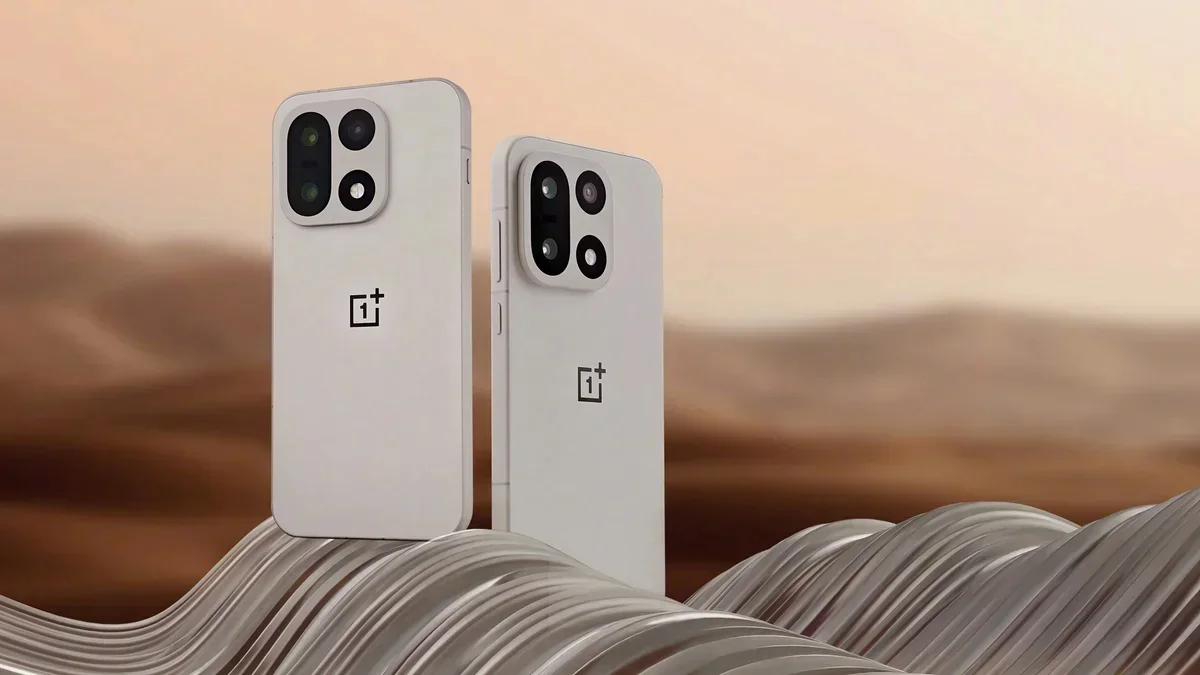
But the real talking point right now is its screen, and OnePlus wants you to know it’s made some serious improvements there – though, as always, the story is a bit more nuanced than the marketing suggests.
A promising evolution in display technology
According to the company, the OnePlus 15 will feature a 165Hz AMOLED panel manufactured by BOE, a brand known for pushing high-end display tech. OnePlus claims this new panel delivers a 13% increase in High Brightness Mode (HBM) compared to the OnePlus 13, which should make the screen easier to view under direct sunlight. It’s also said to consume 10% less power and offer a 30% longer overall lifespan, signaling tangible efficiency improvements.
In addition to these hardware-level gains, the display experience is getting a boost from OnePlus’s parent company OPPO. The OnePlus 15 integrates the new OPPO Display P3 co-processor, a specialized chip designed to enhance color accuracy, ensure smoother frame rendering, and maintain consistent brightness levels even during extended gaming or streaming sessions. This could bring the display experience closer to what users expect from premium competitors like the iPhone 17 Pro and Galaxy S26 Ultra.
Design refinements and display engineering
Visually, the OnePlus 15’s bezels are among the thinnest ever seen on a OnePlus device. The borders will reportedly measure just 1.15mm evenly on all four sides – even slimmer than those on the OnePlus 13T (also known as OnePlus 13S). For users who care about immersive visuals, this symmetry adds a more polished look and feel. The display can now also dim down to as little as 1 nit of brightness – an incredibly low threshold that’s ideal for nighttime use, ensuring minimal eye strain in dark environments.
But not every change is a true upgrade
Despite the impressive specs, there are trade-offs. The resolution is reportedly being reduced from 2K to 1.5K – a noticeable downgrade on paper, even if the difference is hard to detect with the naked eye. OnePlus is also slightly shrinking the screen size to 6.78 inches. While these changes may disappoint display purists, they serve a purpose: reduced power consumption and better battery longevity. For many users, that’s a worthwhile compromise.
What’s beyond the screen
Outside the display department, the OnePlus 15 is shaping up to be a heavyweight competitor. Rumors suggest it will pack a 50MP telephoto camera and a massive 7,000 mAh battery supported by 120W wired charging – specs that would make it one of the most balanced flagship phones on the market. The phone aims to bridge high-end performance with practical endurance, something OnePlus has been trying to refine over the past few generations.
The final verdict (so far)
Overall, the OnePlus 15’s display looks to deliver meaningful improvements in brightness, efficiency, and longevity – even if the resolution downgrade might not thrill everyone. Most users likely won’t notice the pixel density change, but they will appreciate a phone that lasts longer between charges and stays cooler under pressure. It’s a classic OnePlus move: focus on the real-world experience over spec sheet bragging rights. With the global release still unconfirmed, all eyes are now on the official Chinese launch, which should give us our first real glimpse at how this display performs in the wild.
3 comments
kinda disappointed about the 1.5K screen, feels like a step back 😕
OPPO chip inside? interesting move. maybe OnePlus finally fixing color accuracy
if battery really lasts longer i’m cool with it. can’t tell diff between 2K and 1.5K anyway lol