Linux gamers and power users who have been loyally running NVIDIA’s classic Maxwell and Pascal graphics cards have just hit a quiet but important milestone. With the rollout of the 590 driver branch, NVIDIA is formally ending full Game Ready driver support for the GeForce GTX 900 and GTX 10 series on Linux. 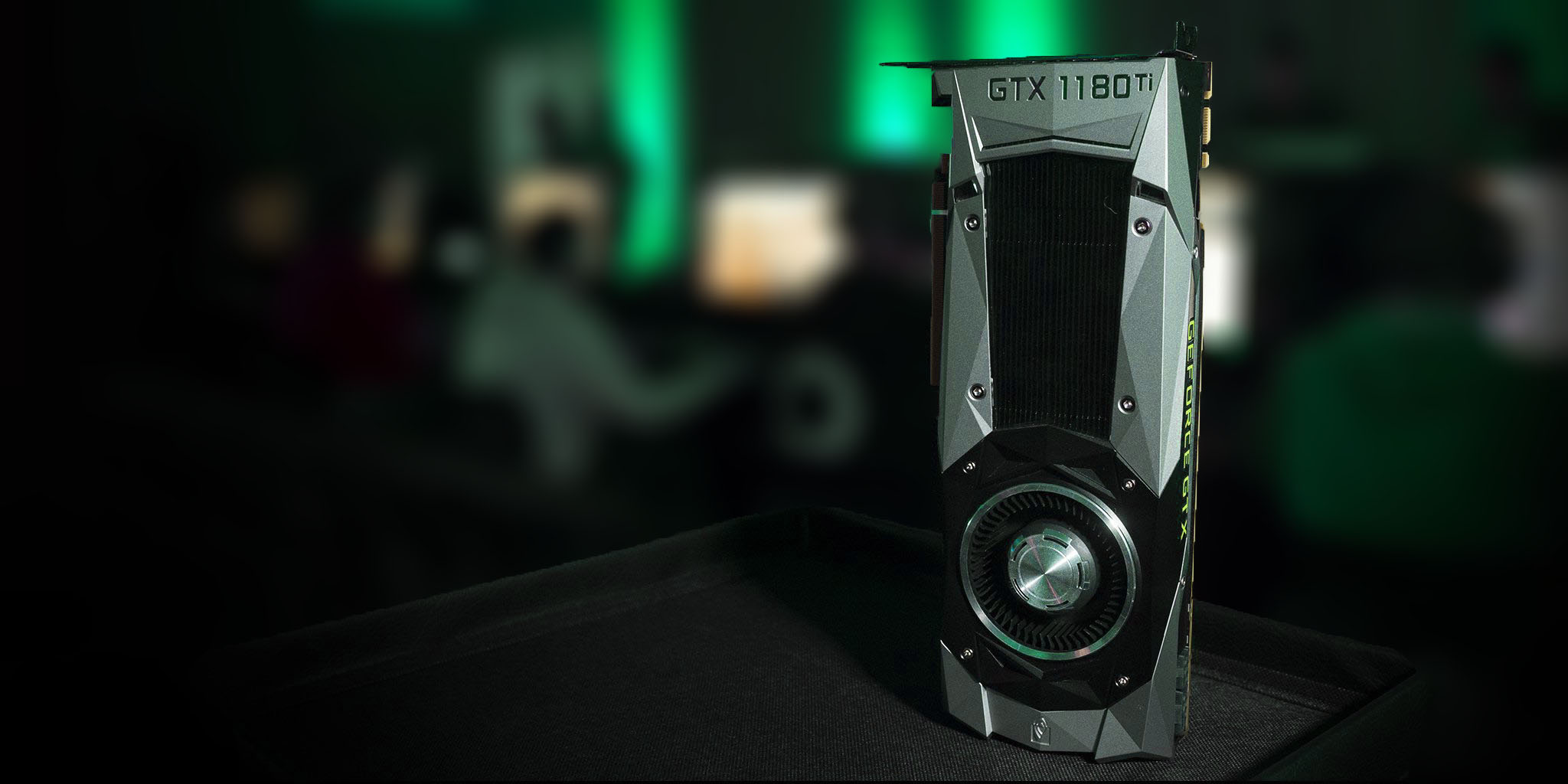
These cards, which helped define PC gaming for an entire decade, are now being moved into a security-maintenance phase, marking the end of an era for many budget and mid-range rigs.
This shift does not come out of nowhere. On Windows, Maxwell, Pascal and even some Volta GPUs kept receiving fresh Game Ready drivers up until October 2025, complete with day-one optimisations and new game profiles. That grace period has now effectively expired for Linux as well. From this point forward, those venerable GPUs will only see quarterly security updates and critical bug fixes instead of the rapid-fire performance and feature updates that modern releases benefit from.
Linux driver 590: who stays and who goes
The turning point is the beta Linux driver 590.44.01. In NVIDIA’s documentation for this branch, the officially supported GPU list now begins with the Turing architecture and moves upward from there. In practice, that means GeForce RTX 20 series cards and every newer RTX generation, in both desktop and notebook form, remain on the fully supported list. These are the GPUs that will continue to receive Game Ready updates with launch-day profiles, performance tuning and compatibility tweaks for new titles and engines.
Just as notable as who is included is who has disappeared. The once-iconic GeForce GTX 900 family and the massively popular GTX 10 series no longer appear in the supported GPU section for the 590 branch on Linux. Their absence is the strongest possible confirmation that Maxwell and Pascal cards have been removed from the actively supported roster, at least when it comes to Game Ready releases.
Many users had expected Linux support for these cards to end with the previous 580 driver branch. Instead, NVIDIA quietly extended the runway. The company skipped straight from 580 to 590, and only a single Linux driver from the 580 series ever saw the light of day before the transition. That effectively gave Maxwell and Pascal owners a little more breathing room on Linux than anticipated, but with branch 590 the extension is over and the sunset is official.
What losing Game Ready support really means
For anyone running a GTX 970, GTX 980 Ti, GTX 1060, GTX 1070, GTX 1080 or similar card on Linux, it is crucial to understand what this change does and does not mean. Your system is not suddenly obsolete, and your games are not going to stop launching overnight. The drivers you have today will continue to run existing titles, creative tools and everyday workloads just as they did before the announcement.
The real difference is what happens with new software. Game Ready drivers are the releases that arrive alongside major game launches and engine updates, bringing specific optimisations, bug fixes, and vendor-tested configurations. Without those, older GPUs can still run new games via Linux, Proton or native ports, but you may miss out on incremental performance gains, reduced stuttering, or targeted compatibility fixes that newer cards with active Game Ready support will continue to receive.
From now on, Maxwell and Pascal GPUs move to a slower, quarterly cadence focused on security patches and critical stability fixes. Those updates remain extremely important: they plug vulnerabilities, keep your machine safer on the network and address serious crashes or corruption issues. What they generally do not include are meaningful frame rate boosts, new features, or game-specific launch optimisations. Over time, that tends to widen the experience gap between legacy cards and modern architectures running the latest fully supported drivers.
A natural sunset for decade-old NVIDIA architectures
Looked at through the lens of product lifecycles, NVIDIA’s decision is far from surprising. Maxwell-based GTX 900 cards landed in the middle of the last decade, while Pascal-powered GTX 10 models arrived shortly afterward and dominated the market for years. They delivered a huge leap in performance-per-watt and became the backbone of countless gaming PCs. Expecting full-fat Game Ready support forever for hardware from that era simply is not realistic.
Maintaining Game Ready coverage for such old architectures requires ongoing engineering time, QA cycles and driver complexity. NVIDIA now clearly prefers to dedicate those resources to Turing, Ampere, Ada Lovelace and the upcoming RTX 50 series, where new features like ray tracing, DLSS and advanced encoders live. Usage statistics back up that strategy: the share of Maxwell and Pascal cards in modern gaming rigs has been steadily shrinking, while RTX-branded GPUs increasingly dominate, even in more affordable systems.
Should you keep your GTX or start planning an upgrade?
If you are still proudly running a GTX 900 or GTX 10 series card under Linux, this news does not mean you have to rush out and replace it tomorrow. For many players who still game at 1080p with medium or balanced settings, these GPUs can remain perfectly serviceable. They handle older and less demanding titles well, and even newer games can often be coaxed into acceptable performance with sensible settings tuning.
However, if you care about day-one game support, squeezing every last frame out of current releases, or having official vendor-backed profiles for the newest engines and Proton updates, NVIDIA’s move is a pretty clear signal. The future focus starts at Turing. On Linux, every card from the RTX 20 series upwards is fully included in the 590 driver branch, and that list extends through Ampere and Ada all the way to the latest RTX 50 family.
The RTX 50 series in particular stands out as a strong upgrade target. Current street pricing on many models is relatively attractive, especially compared to previous launch cycles, while component and VRAM costs are widely expected to trend upward. That combination creates a window where moving off a legacy GTX 900 or GTX 10 card and into a modern RTX GPU can deliver both immediate performance gains and a much longer driver support horizon before you face another sunset announcement like this one.
What modern RTX GPUs bring to Linux users
Stepping up to a newer RTX card on Linux does more than simply restore Game Ready support. It opens the door to a long list of technologies that Maxwell and Pascal never offered. Hardware-accelerated ray tracing radically changes lighting and reflections in supported games. DLSS-style upscaling and reconstruction techniques can push frame rates higher while keeping image quality sharp. New generations of NVENC encoders make streaming and capture smoother and less CPU-heavy, and improved power management keeps noise and temperatures under control in smaller systems.
All of that plays especially well with the broader Linux gaming ecosystem, which has evolved dramatically over the last decade. Proton, Wine and native ports now receive regular optimisations for modern GPUs, so pairing them with a Turing, Ampere, Ada or RTX 50 card and an actively updated driver stack delivers a noticeably smoother and more consistent experience than what an aging GTX card can realistically provide in 2025 and beyond.
The bottom line for Maxwell and Pascal on Linux
In the end, NVIDIA’s 590 driver branch quietly closes the chapter on full Game Ready support for the GTX 900 and GTX 10 series on Linux. These GPUs powered an entire generation of PC gaming and helped countless users discover just how flexible Linux could be as a gaming platform. Now they move into a stable, security-focused retirement phase. They will keep working, but they will no longer be in the spotlight when new games and engines arrive.
For some, that is perfectly fine: ride your veteran GPU as long as it does what you need, keep installing the quarterly security updates, and enjoy the value squeeze. For others, especially those chasing fresh releases, high refresh rates and cutting-edge features, this is the moment to seriously consider joining the RTX era. Either way, NVIDIA has delivered a clear message with driver branch 590: on Linux, the future of gaming starts with Turing and everything that came after it.
1 comment
Thanks for sharing. I read many of your blog posts, cool, your blog is very good.