NVIDIA GeForce RTX 5070 Ti Finally Slips Under MSRP: Smart Buy Or Still Overpriced?
The day a new generation GeForce card finally falls under its own MSRP always feels like a small holiday for PC gamers, and that moment has arrived for the NVIDIA GeForce RTX 5070 Ti. Newegg is now listing an MSI Ventus RTX 5070 Ti at 749.99 USD with a 20 USD rebate card, effectively dropping the final price to 729.99 USD. In a Blackwell era defined by thin supply, stubborn pricing, and endless memes about "Jensen tax", seeing a 70 class SKU dip below its sticker price is a big psychological shift.
For months after launch, RTX 5070 Ti cards hovered well above the supposed baseline. The 70 tier used to be the sweet spot for high end gaming, but this generation many enthusiasts simply checked the price, laughed, and stuck with their older cards. Between AI demand, expensive GDDR7, and cautious inventory from board partners, the market was stacked against deals. That is why this first meaningful sub MSRP offer matters; it signals that the initial wave of early adopters is over and retailers are finally nudging prices toward something resembling value.
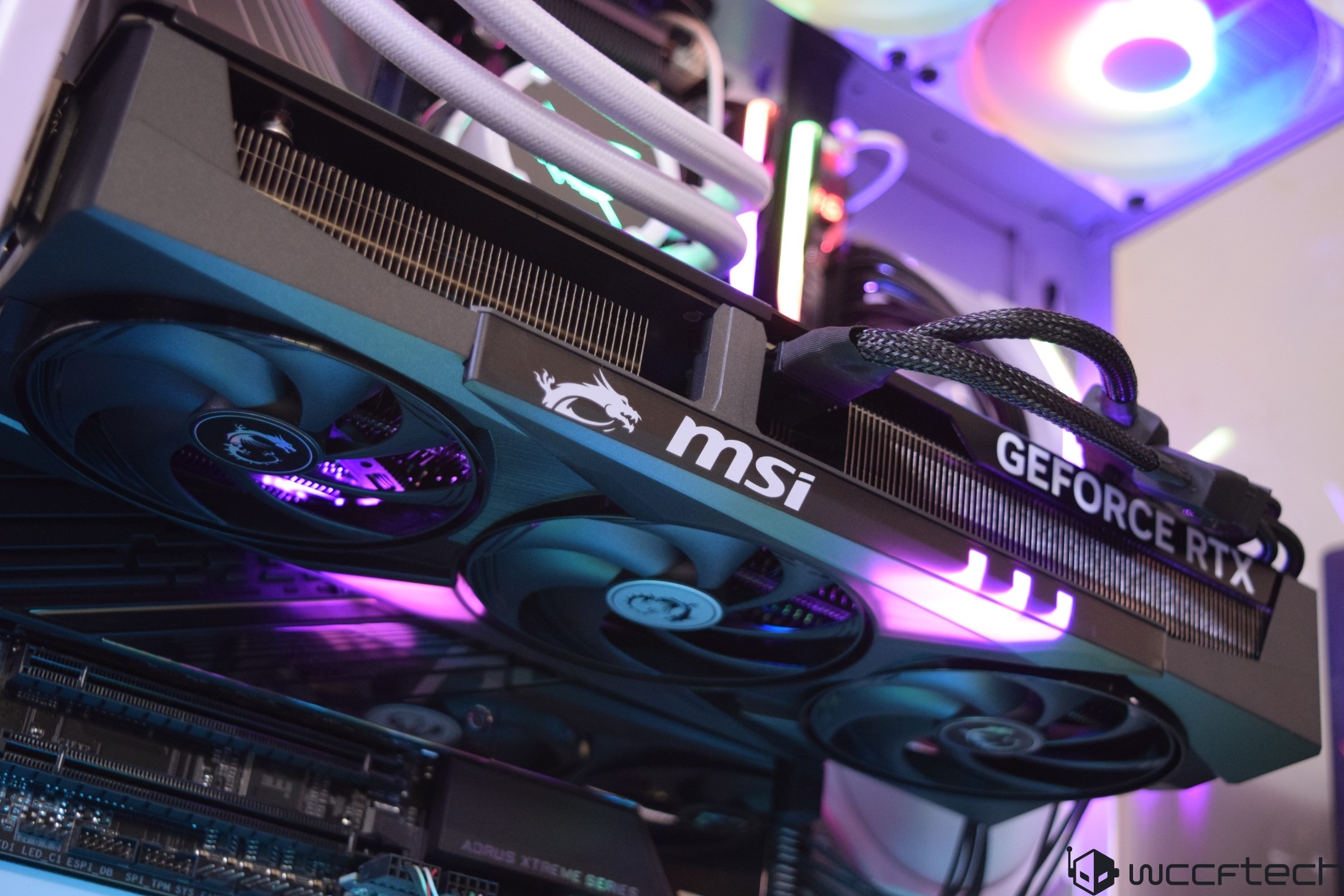
The specific card seeing this drop, MSI’s Ventus triple fan RTX 5070 Ti, is also not a bare bones design. The cooler uses a chunky heatsink and three fans aimed at keeping the Blackwell GPU cool and quiet even under heavy loads. Ventus models tend to avoid flashy RGB in favor of a clean, neutral shroud that drops nicely into both workstations and gaming rigs. With a modest factory overclock and a robust power delivery layout, it is built to run boost clocks consistently rather than spiking and throttling.
On the performance side, the RTX 5070 Ti is clearly positioned as a long term 1440p monster that can flirt with 4K when you lean on NVIDIA’s software stack. With around 16 GB of VRAM on a 256 bit bus and enormous memory bandwidth, it has the headroom for modern high resolution textures and ray tracing. Turn on DLSS upscaling and Frame Generation and you are looking at triple digit frame rates in many 1440p titles and very playable numbers at 4K, especially if you do not insist on maxing every slider with path tracing.
Where the debate heats up is value. Even at 729.99 USD, plenty of gamers argue that this tier should have launched far closer to the 500 USD mark and that calling 730 a "deal" is wild. Some would rather hunt for a used RTX 4080 on a protected marketplace, betting on stronger raw raster performance for similar money. Others look across the aisle at high end Radeon cards, which can offer impressive frames per dollar if you do not care about NVIDIA exclusives like DLSS 3 Frame Gen or Reflex in competitive shooters.
Support and longevity also loom large in the discussion. One of NVIDIA’s biggest advantages is not just raw hardware, but the broader ecosystem: frequent Game Ready drivers, strong support in creative apps, mature encoder quality for streaming, and technology like DLSS that actually gets adopted. Many buyers are wary of grabbing a top tier Radeon today only to see driver focus pivot quickly once the next RDNA generation arrives, leaving their card feeling like an afterthought a year or two down the road. For anyone building a rig they hope to keep for four or five years, that software track record has real weight.
At the same time, there is a strong undercurrent of "wait one more cycle" in the community. Rumors of refreshed Super style Blackwell cards with more VRAM are already circulating, and some users are convinced that jumping now means regretting the purchase when a 5070 Ti Super with a 50 percent memory bump appears later. If your current GPU is still holding up and you mostly play esports or lighter titles, it is hard to dismiss that argument. The longer you wait, the more performance you typically get at each price tier.
There is also the uncomfortable reality of memory pricing. GDDR7 is not cheap, and suppliers have every incentive to keep margins high. Several analysts expect memory costs to rise rather than fall over the next year, which could limit how far GPU prices can tumble. That is why some shoppers believe these below MSRP sales may be short lived window dressing rather than a permanent reset. If memory contracts move up again, board partners will not hesitate to ratchet prices back.
Still, in practical terms, this MSI Ventus RTX 5070 Ti at 729.99 USD finally looks like what many expected the 70 tier to be: a high end, power efficient card that chews through modern games at 1440p, offers a credible experience at 4K with smart settings, and taps into NVIDIA’s best in class software ecosystem. Power draw is relatively modest for the performance on offer, making it easier to drop into an existing build without upgrading the power supply, and thermals on triple fan designs tend to stay comfortably in check.
So is this the magic price that suddenly makes the RTX 5070 Ti a no brainer? Not quite. The discount does not erase months of inflated launches, nor does it instantly beat every Radeon value play or every second hand deal. What it does do is mark the first real crack in Blackwell era pricing, and that alone will interest a lot of people sitting on aging 70 class cards. If you have been waiting for a sign that NVIDIA might finally blink, this sub MSRP Ventus deal is the clearest signal yet that the negotiation between gamers and GPU pricing has finally begun.