NVIDIA and AMD could soon make PC gaming and content creation more expensive again, not because they suddenly want higher margins, but because the cost of the memory inside every modern graphics card is exploding. Behind the scenes, the DRAM market is tightening fast, and the same wave of shortages that pushed DDR5 RAM prices sharply higher is now rolling toward GDDR, the high speed memory used in GPUs.
Over the past year, consumers have already watched DDR5 modules jump to more than twice their previous prices as demand from data centers, AI accelerators, and next generation consoles has collided with limited manufacturing capacity. 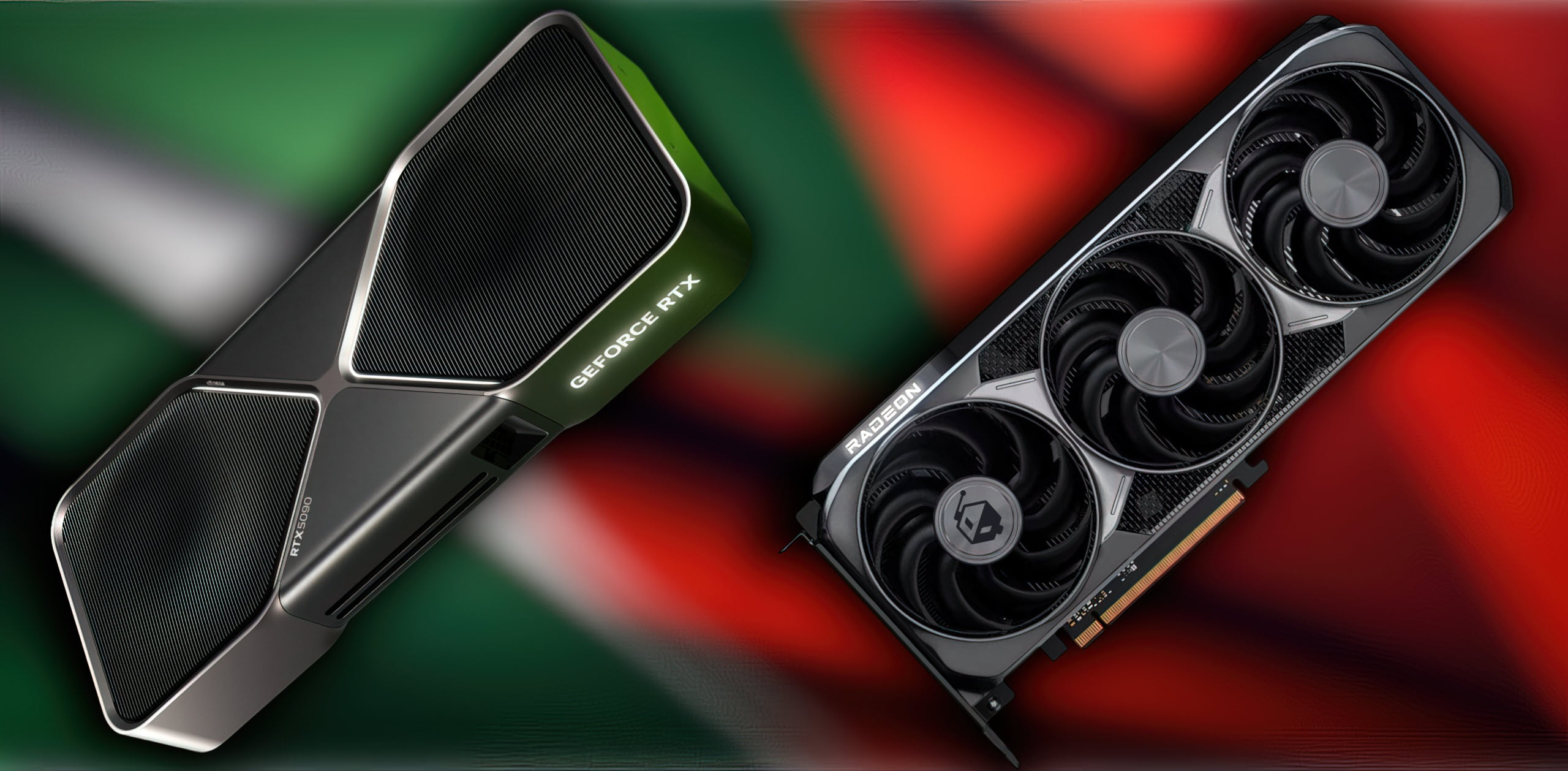
That story, however, only covers part of the DRAM world. Another crucial branch is graphics focused DRAM: GDDR6, which powers the majority of today's gaming GPUs from AMD, NVIDIA, and Intel, and the newer GDDR7 standard, already adopted by NVIDIA for its GeForce RTX 50 series lineup.
According to information circulating on Chinese board channel forums that track relationships between chip makers and add in board partners, the purchasing price of GDDR chips has already begun to climb steeply. DRAM suppliers have reportedly raised quotes for the three major memory vendors by around 90 percent compared to their last major pricing round, essentially doubling the cost of those chips. When your graphics card bill of materials leans heavily on memory, that kind of jump is impossible for partners to ignore for long.
For now, NVIDIA and AMD are said to be absorbing part of the shock. Industry sources claim that both companies have acknowledged internally that procurement costs for GDDR6 and GDDR7 will rise and keep climbing into 2025, but they have not yet pulled the trigger on official MSRP hikes. Instead, board partners are being told to prepare for a potential adjustment window that could arrive as early as December, with a broader wave of increases penciled in for the first quarter of 2026.
The timing adds a cruel twist for gamers and creators. Only recently, many popular GPUs from both brands finally slipped under their original MSRPs after years of inflated pandemic era pricing and crypto driven spikes. Retail shelves at last started to show semi sensible deals on mid range and high end cards, just as new generations like the GeForce RTX 50 family entered the scene. If memory shortages continue and GDDR costs keep tracking upward, those welcome discounts could be on borrowed time.
Exactly how the higher DRAM costs will translate into consumer pricing is still an open question. GPU manufacturers have several levers they can pull: they might raise official MSRPs, trim launch promotions, quietly reduce game bundle values, or pressure board partners to scale back custom cooler designs in order to keep final price tags palatable. However, there is a limit to how much efficiency can be squeezed out of engineering and marketing. When one of the most expensive components on the board nearly doubles in price, some of that increase almost inevitably hits the end user.
There are also strategic decisions to consider. High margin segments such as professional and workstation GPUs look increasingly attractive in an environment of rising component costs. If NVIDIA and AMD can sell a limited number of GPUs to enterprise customers at significantly higher prices, they may prioritize production of those cards over purely gaming focused models. That would further tighten supply in the consumer market and make it easier for brands to justify higher street prices on gaming cards.
What remains unclear is the exact moment when this pressure will show up on price tags. People familiar with the situation suggest that NVIDIA and AMD have confirmed the direction of travel, but not the calendar date. The broad expectation, based on how long component contracts and channel inventories usually take to rebalance, points to the beginning of the first quarter of 2026 as a likely inflection point. Some partners reportedly think the increases could be pulled forward by a month, landing in December or January if DRAM costs spike again during the peak production season.
For buyers, the situation creates a familiar dilemma. Those who have been holding off on an upgrade in hopes of further post crypto price corrections now face the possibility that current deals may be as good as it gets for a while. On the other hand, no one wants to rush into a purchase if market conditions unexpectedly improve or if competing products force discounts. The key variables to watch will be contract prices for GDDR6 and GDDR7, inventory levels at major retailers, and any early hints from board partners about "adjusted" pricing on refreshed models.
There is also the broader memory landscape to keep in mind. DRAM and NAND markets often move in cycles, with painful spikes eventually followed by periods of oversupply and aggressive discounting. If AI demand cools or new fabs ramp more quickly than expected, the current squeeze on memory could ease later in 2026 or 2027. Until then, though, the trend line for GDDR appears to be firmly pointing up, and the world's biggest GPU vendors are quietly preparing their partners, and eventually consumers, for a new round of price inflation.
In short, while there is no official announcement yet and no fixed date on the calendar, the direction is clear. If you see NVIDIA and AMD graphics cards edging back up in price as we approach 2026, the culprit will not simply be corporate greed, but the harsh arithmetic of a DRAM market that has nearly doubled the cost of one of the GPU's most essential components.